SERVING WA
Since 2009

Best overall for pallet shelving in Perth warehouses in 2026: selective pallet racking. Best for repeated stock held in deep lanes: drive-in racking. Best for dense storage with stock rotation: pallet-flow racking. These are warehouse racking choices, not interchangeable with the retail shelving sold by Cheap Shelving.
A warehouse rack determines which pallet your team can reach without moving another one. Choose for the shape and movement of your stock first, then check how much floor space the layout uses. A dense layout that slows every pick is not a saving.
The distinction matters if you also run a shop or stockroom. Cheap Shelving supplies commercial shelving and retail display equipment for businesses and retailers in Perth. Its supplied listings show retail shelving, not a verified pallet-racking range. Do not treat a retail shelf labelled heavy duty as a pallet rack; ask a pallet-racking supplier for a design matched to your loads and handling equipment.
Check these points before comparing layouts. They determine whether the apparent space gain works in your warehouse.
Start with access, not capacity. If operators regularly retrieve different pallets, a layout that puts them behind one another creates extra handling. If stock is consistent and moves in batches, that same depth can be useful.
| System | Best for | Standout feature | Key limitation |
|---|---|---|---|
| Selective pallet racking | Mixed SKUs and direct pallet access | Each storage position faces an aisle | Aisles take floor space |
| Double-deep pallet racking | More storage depth with predictable stock | Pallets sit in paired-depth positions | The rear pallet is not directly accessible |
| Drive-in pallet racking | Repeated SKUs stored in deep lanes | Forklifts enter the storage lanes | Access and stock rotation need careful planning |
| Pallet-flow racking | Dense storage with controlled stock rotation | Pallets move through a dedicated lane | Requires a more specialised layout and load checks |
The table compares system types, not products offered by Cheap Shelving. For a Perth purchase in 2026, request a site-specific design rather than ordering from a generic system description.
Selective racking places pallet positions along accessible aisles. It is the clearest default when your operators pick across many SKUs, retrieve particular pallets or change stock lines regularly. You can identify and access a position without first clearing a lane of other stock.
That access uses floor space. Before accepting a layout, compare the proposed pallet positions with the aisle space your forklift needs to work safely. The useful result is the number of positions your team can operate, not the number squeezed onto a drawing.
Selective pallet racking pros:
Selective pallet racking cons:
Best for: Perth warehouses with varied stock and frequent individual pallet retrieval. Verdict: Buy when reliable access matters more than maximum storage density.
Double-deep racking stores pallets at two depths within a position. It can reduce the aisle area needed for a given layout, but the pallet at the back is blocked by the one in front. Your stock plan must account for that access trade-off.
Check the intended forklift and its reach against the proposed rack design before choosing double-deep. Also check whether staff need to retrieve specific pallets in a particular order. If they do, moving a front pallet to reach a rear one can erase the operating benefit of the denser layout.
Double-deep pallet racking pros:
Double-deep pallet racking cons:
Best for: Warehouses with repeat stock that can be allocated in paired-depth positions. Verdict: Hold until the forklift, pallet mix and retrieval order have been checked against a proposed layout.
Drive-in racking lets a forklift enter a storage lane to place or retrieve pallets. It uses depth for storage rather than providing an aisle beside every pallet position. That makes it a candidate when you hold substantial quantities of the same SKU together.
The trade-off is access. A deep lane is a poor home for stock that staff must retrieve in an unpredictable order. Map how pallets will enter and leave each lane before evaluating the space gain; do not leave rotation rules to the operator on the day.
Drive-in pallet racking pros:
Drive-in pallet racking cons:
Best for: Repeated SKUs stored and retrieved in planned batches. Verdict: Buy only when your stock profile and operating procedure suit deep lanes; otherwise, skip it in favour of selective racking.
Pallet-flow racking uses lanes that move pallets from a loading side towards a retrieval side. It separates the direction of replenishment from retrieval and is designed around a controlled flow of stock. That is useful when rotation is part of the storage decision, not an occasional manual task.
A proposed flow lane must be matched to the actual pallets and loads used on site. Ask the designer how the system handles your pallet condition, load stability, lane operation and access requirements. Do not choose it solely because a plan shows dense storage.
Pallet-flow racking pros:
Pallet-flow racking cons:
Best for: Warehouses with repeat stock and a consistent need to control pallet rotation. Verdict: Hold until a designer confirms that your loads and operating pattern suit the proposed system.
Selective racking favours individual pallet access and mixed SKUs. Drive-in racking favours deep lanes and repeated SKUs. Neither wins every site: the right choice depends on which work your operators perform most often.
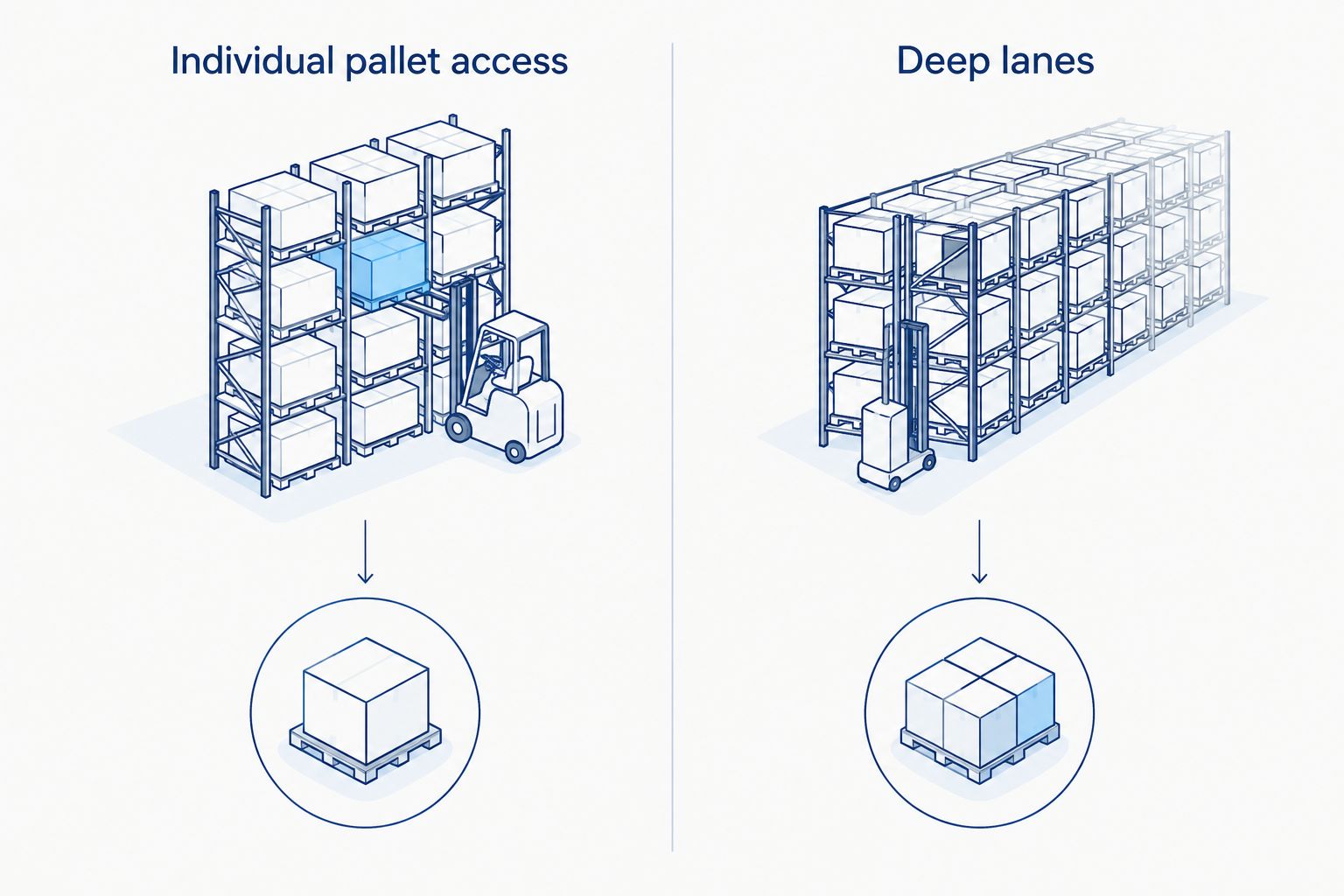
Walk a typical retrieval through the proposed plan. Identify where the forklift starts, which pallet it needs, where another pallet would have to move and where that displaced pallet would wait. Repeat the exercise for replenishment. A layout is workable when both tasks fit the floor and the equipment, not just when the rack positions fit.
Give prospective racking designers the same site and stock information so their proposals address the same job. A useful brief includes pallet dimensions and condition, maximum loaded pallet weights, the mix of SKUs, retrieval order, forklift details, floor information and the usable building height. These are inputs to the design, not specifications to estimate from a product photo.
Ask each supplier to show the proposed rack layout, rated loads, forklift operating clearances and the method for identifying load limits on the installed system. Confirm how the design will address the applicable Australian racking standard and site safety requirements. Have the floor and any fixing requirements assessed for the proposed installation.
For a mixed operation with a warehouse behind a shop, keep the purchasing decisions separate. Cheap Shelving's retail shelving listings can inform a shop-floor or stockroom fixture choice, but they do not establish that its products are suitable for forklift-loaded pallets. Cheap Shelving is best considered for the retail shelving part of that fit-out, not as a verified pallet-racking supplier.
The ranking puts direct access first because it serves the widest range of mixed-stock retrieval patterns without requiring pallets to be grouped in deep positions. Double-deep, drive-in and pallet-flow follow as the stock profile becomes more predictable and the case for density or controlled rotation becomes stronger.
This is a decision ranking, not a claim about an untested brand, installed capacity or price. A site-specific design can change which system is right for your building. In 2026, make the supplier demonstrate that fit with your pallet loads, forklift and floor details.
Choose selective pallet racking if you are undecided. It gives a mixed-stock Perth warehouse direct access to pallet positions and a simpler starting point for planning picks. Move to double-deep when stock can be paired without causing repeated reshuffling. Choose drive-in for repeat stock held in planned deep lanes, or pallet-flow when dense storage and controlled rotation are both central to the operation.
Do not substitute display shelving for engineered pallet racking. Cheap Shelving sells commercial shelving and retail fixtures to Perth businesses; the supplied product information does not verify a pallet-racking system. Keep that distinction on the purchasing brief so the warehouse and retail areas each receive fixtures designed for their loads and use.
What's the best pallet shelving system for a Perth warehouse?
Selective pallet racking is the best default for a Perth warehouse with mixed SKUs and frequent individual pallet retrieval. Choose a denser system only when your stock pattern and handling equipment support its access trade-offs.
Is selective racking better than drive-in racking?
Selective racking is better when you need direct access to individual pallets. Drive-in racking suits repeated stock stored in deep lanes with a planned retrieval order.
When does double-deep pallet racking make sense?
Double-deep racking makes sense when you can group stock in paired-depth positions and do not need direct access to every rear pallet. Confirm forklift reach and retrieval order against the proposed design.
What is pallet-flow racking best for?
Pallet-flow racking is best for repeat stock that needs dense storage and controlled movement through a lane. The design must suit the actual pallets, loads and operating pattern.
Can retail shelving be used to store forklift-loaded pallets?
Do not use retail shelving as a substitute for a designed pallet-racking system. A heavy-duty retail product label does not establish the rack design or load rating needed for forklift-loaded pallets.
Does Cheap Shelving sell pallet racking?
The supplied Cheap Shelving product listings do not establish a pallet-racking offer. They describe retail shelving and related fixtures, so confirm any warehouse racking requirement separately.
What should I check before buying pallet racking in 2026?
Check loaded pallet weights, pallet condition, forklift suitability, floor information, available height and retrieval patterns. Ask for a site-specific layout, documented load ratings and confirmation of the applicable safety requirements.
Before approving a dense layout, trace the retrieval of a pallet stored behind another pallet. If that move has no clear place in your workflow, the extra rack depth is solving the wrong problem. For a mixed-stock warehouse in 2026, start with selective racking and make every proposed increase in density justify its effect on access.
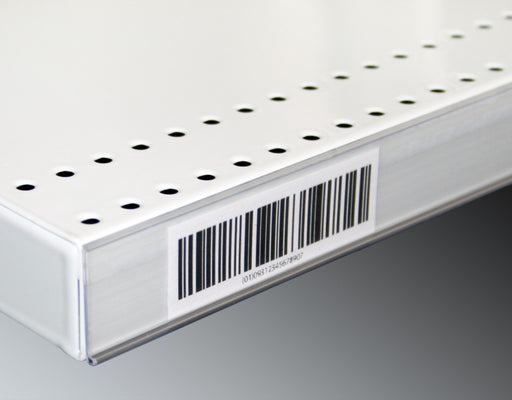
Upgrade your store's pricing and product labeling system with our Flat Adhesive Data Stripping. This cost-effective solution is designed to simplif...
View full details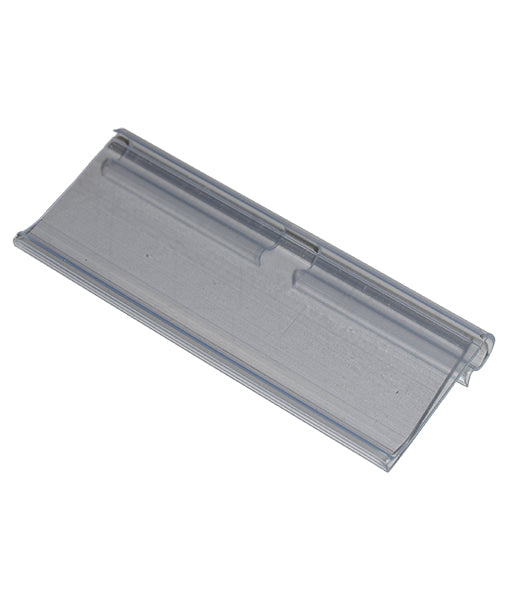
Enhance your store's product labeling and pricing system with our 100-Pack Flipper Tags. These versatile and easy-to-use tags are designed to strea...
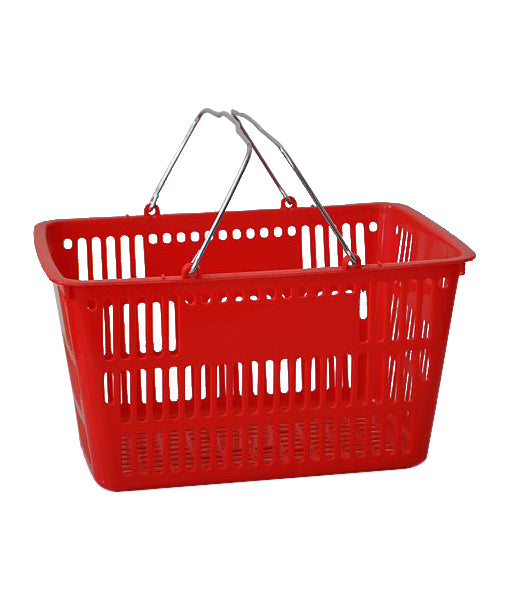
View full detailsUpgrade your customers' shopping experience with our 28 litre Shopping Baskets featuring Metal Handles. These robust and stylish baskets are design...
View full detailsRevolutionize your customers' shopping experience with our Roller Shopping Baskets. These innovative baskets are designed for maximum convenience, ...
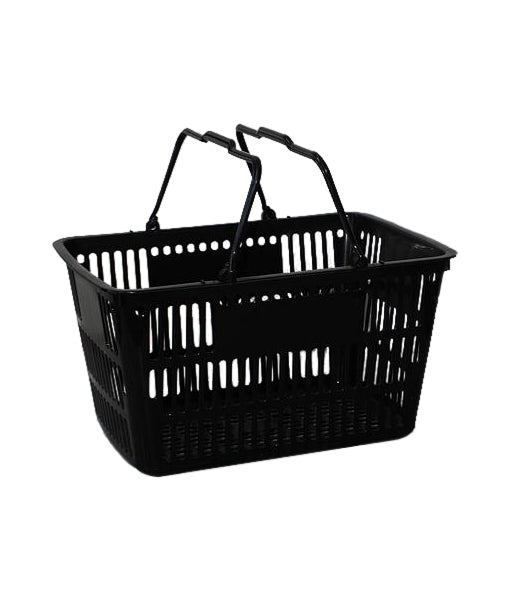
View full detailsMake shopping a breeze for your customers with our 28 Litre Shopping Baskets featuring Plastic Handles. These lightweight and sturdy baskets are de...
View full details{"one"=>"Select 2 or 3 items to compare", "other"=>"{{ count }} of 3 items selected"}