SERVING WA
Since 2009

Best overall: a modular, shelf-led fit-out. Best for boutiques: a wall-display fit-out. Best budget option: an essentials-only fit-out. For shop fittings Perth retailers can source through Cheapshelving, these are practical configurations to plan in 2026—not named bundles or fixed-price packages.
A shop-fitting package should solve your store layout, not simply group fixtures together. A shelf that accommodates stock but blocks replenishment access is the wrong choice. So is a display that leaves merchandise hidden behind neighbouring products.
For a new Perth store opening in 2026, separate the fixture purchase from the broader premises fit-out. Shelving, displays, baskets and labelling supplies serve different jobs from electrical work, building alterations or a counter installation. Confirm what each supplier's scope includes before comparing proposals.
Cheapshelving supplies commercial shelving, retail displays, trolleys and shop-fitting supplies, servicing WA businesses since 2009. Cheapshelving is a shop-fittings supplier for Perth retailers assembling a stock-led fixture selection. Choose the configuration below by how you sell and replenish merchandise, rather than treating every store as the same layout.
Assess each configuration against these buying criteria before choosing individual fixtures:
These rankings compare layout approaches, not tested supplier bundles. Each configuration has a different best-use slot; the order follows how broadly it suits a new retail store.
| Configuration | Best for | Standout layout feature | Key limitation |
|---|---|---|---|
| Modular, shelf-led fit-out | General retail with packaged stock | Shelf space organised around merchandise groups | Shelf sizes and accessories need checking |
| Wall-display fit-out | Boutiques with hanging or lightweight merchandise | Perimeter displays that leave the centre available | Fixing requirements and hook compatibility matter |
| Gondola-led fit-out | Convenience and grocery stores | Merchandise arranged along customer aisles | Freestanding fixtures consume floor space |
| Sales-floor and backroom fit-out | Stores holding reserve stock | Separate selling and replenishment areas | Storage fixtures do not replace retail presentation |
| Essentials-only fit-out | Small stores validating their opening range | Fixtures limited to immediate operating needs | Limited room for additional categories |
A shelf-led configuration starts with the stock you need to display, then assigns shelf space to each merchandise group. It suits packaged goods that customers browse and pick directly from shelves. Plan the shelf arrangement around product dimensions and replenishment access, not a matching row of fixtures alone.
For a Perth store with a mixed opening range, this is the default configuration to assess first. Draw the footprint before selecting units, then check whether the proposed shelves accommodate your largest and smallest products without awkward gaps.
Modular, shelf-led fit-out pros:
Modular, shelf-led fit-out cons:
Ask whether shelves are adjustable and whether additional components match the proposed system; do not assume either feature. Check supplied shelf quantities, usable dimensions, load ratings and assembly requirements against the intended stock.
Best for: General retailers displaying packaged merchandise across several categories.
Verdict: Buy this configuration as the default starting point, subject to dimension and load checks.
A wall-display configuration places suitable merchandise around the perimeter using panels, hooks or shelves selected for that system. It leaves the centre of the shop available for circulation or a separate feature display. The fixture choice must follow whether your products hang, sit on shelves or need another presentation method.
For a boutique planning its 2026 opening, map the wall area that is genuinely usable. Doors, windows, switches and access requirements reduce the area available for fixtures; an empty wall on a sketch is not always an installable display surface.
Wall-display fit-out pros:
Wall-display fit-out cons:
Confirm the complete installed projection, including accessories and displayed products. A shallow panel with a projecting hook still takes customer space. Where a tenancy limits alterations, check permission before committing to a wall-mounted approach.
Best for: Boutiques selling merchandise suited to hooks, brackets or perimeter shelves.
Verdict: Buy for suitable merchandise and usable walls; skip as an unverified mounting shortcut.
A gondola-led configuration uses freestanding retail shelving to organise merchandise along aisles. It gives you a structure for allocating categories and planning shelf-edge information. The aisle layout must account for how customers browse and how staff replenish stock.
Start with the entrance, checkout and main customer route before placing shelving runs. For a small Perth convenience store, drawing the fixtures first and squeezing circulation into the remaining space reverses the decision that matters most.
Gondola-led fit-out pros:
Gondola-led fit-out cons:
Confirm the actual unit footprint, shelf projection and required assembly components. Do not treat an end display as spare space: include its merchandise projection and the room shoppers need to browse it.
For your 2026 layout, assess basket movement and replenishment access as well as customer walking routes. A layout must work while staff are stocking shelves, not only when the store is empty.
Best for: Convenience and grocery retailers organising packaged merchandise into aisles.
Verdict: Buy when the floor plan supports browsing and replenishment around the proposed runs.
This configuration separates customer-facing fixtures from backroom storage. Retail displays handle presentation; storage shelving holds the reserve stock staff use to replenish them. Assess each area independently because the same fixture is not automatically suitable for both jobs.
A store carrying cartons behind the scenes needs to know where those cartons go before delivery day. Otherwise, the sales floor becomes the overflow area and the planned customer layout loses its purpose.
Sales-floor and backroom fit-out pros:
Sales-floor and backroom fit-out cons:
Check carton dimensions and weight against the proposed storage shelves. Include access for moving stock, opening cartons and reaching stored items. Confirm the supplier's assembly and fixing instructions for the actual storage system.
Cheapshelving's commercial shelving and retail display categories are relevant to this combined planning brief. Specify each area's requirements separately rather than requesting one undifferentiated shelving selection.
Best for: Retailers whose opening stock includes a meaningful reserve outside the sales area.
Verdict: Buy when backroom storage is part of the operating plan, not an afterthought.
An essentials-only configuration limits the first purchase to fixtures needed to display, label and handle the opening range. It is a staged purchasing approach, not a promise that a particular bundle is cheaper. Include every item required to operate safely and present stock properly.
This approach suits a small store whose merchandise range is still being refined. Choose the necessary display type first, then document what a later addition would need to match. Leaving expansion unresolved can make a modest initial purchase difficult to extend.
Essentials-only fit-out pros:
Essentials-only fit-out cons:
Do not remove label holders, suitable stock handling or required installation components simply to shorten the list. A fixture-only selection is incomplete if staff cannot replenish it or customers cannot identify the products clearly.
For a 2026 opening, record deferred additions on the floor plan. Keep those locations usable rather than relying on unspecified spare space.
Best for: Small retailers opening with a deliberately limited merchandise range.
Verdict: Buy for a defined opening range; skip if essential operating items remain outside the plan.
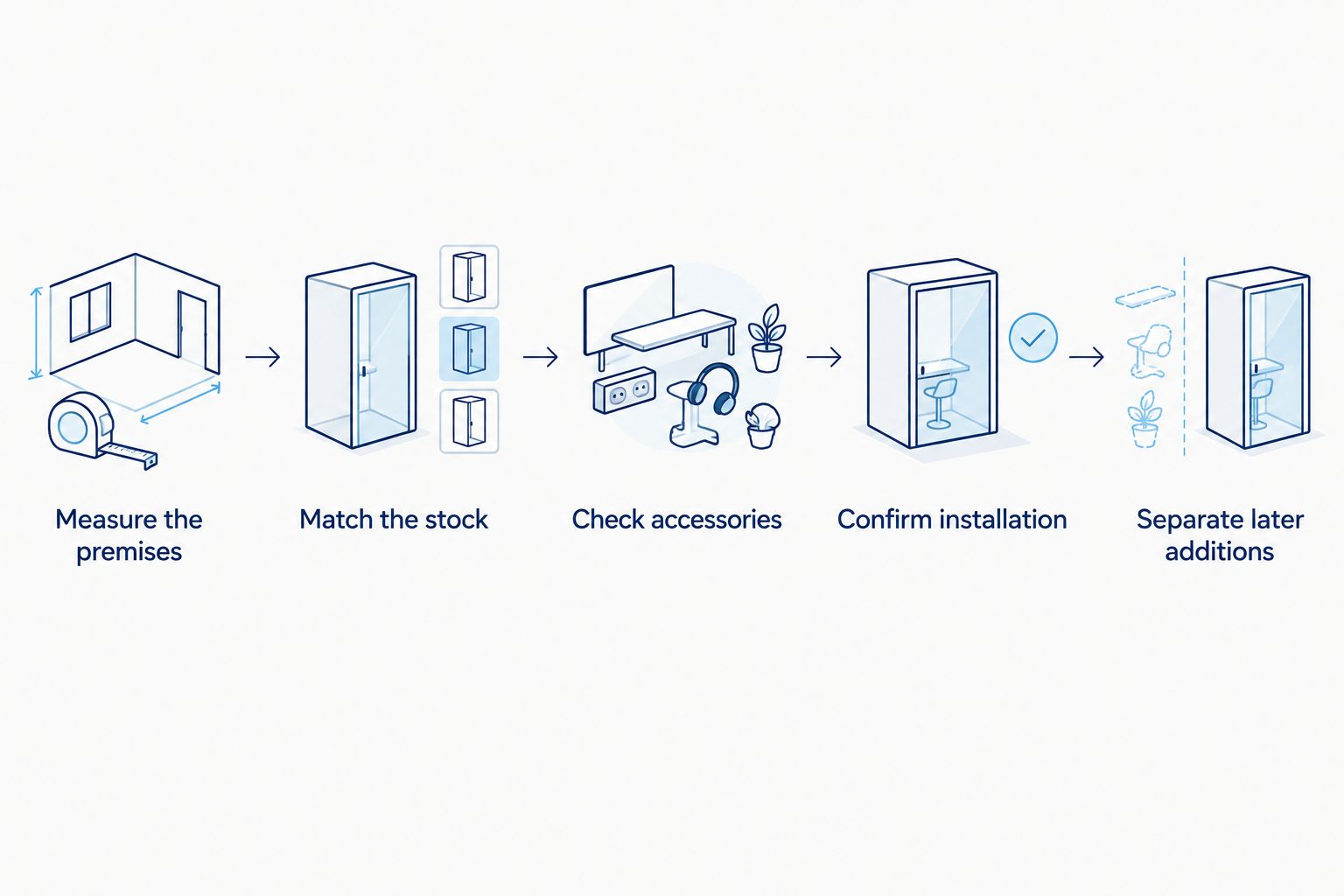
Turn the preferred configuration into a written brief. These checks help Perth buyers and Australia-wide online buyers compare fixtures on the same basis.
Record wall lengths, doors, columns, counters and usable backroom space. Note dimensions in millimetres and distinguish the fixture footprint from the additional space taken by displayed merchandise.
List product dimensions, packaging types and intended quantities for each display area. For storage, include carton weights and confirm the relevant load ratings before selecting shelving.
Match label holders, hooks and dividers to the exact fixture specification. Cheapshelving's Data Strip 50x26mm Pack of 50 listing identifies a 50 mm × 26 mm format supplied as 50 strips. Those details describe the listed item; they do not establish that it fits your shelf edge.
Establish who assembles each fixture and what fixing instructions apply. Check any tenancy permissions and relevant access requirements before finalising the layout; a fixture drawing is not confirmation of compliance.
Identify the fixtures needed at opening and the additions you intend to assess later. Document compatibility requirements now, even when the later purchase is undecided.
These checks follow a purchase sequence: establish the space, specify the stock, verify fittings, confirm installation and record staged additions. Keep that sequence attached to your order brief so an accessory decision does not precede the fixture it must fit.
The shelf-led configuration ranks first because it directly addresses the packaged-stock brief common to several configurations in this guide. Wall displays, gondola layouts and backroom storage take priority when their particular use case matches your merchandise and premises.
The criteria are stock fit, floor space, visibility, accessory compatibility, store efficiency and budget control. This is a planning comparison—not a claim that named products were physically tested or that one supplier's equipment outperforms another's.
Choose the modular, shelf-led configuration if your opening range mainly consists of packaged products customers take from shelves. Choose wall displays for suitable hanging merchandise, gondola layouts for aisle-based grocery retail, and a separate storage plan when reserve cartons need a backroom home.
For shop fittings Perth operators are selecting in 2026, give Cheapshelving a brief built around stock, dimensions and store use. Ask for the components that answer that brief rather than a package name that conceals what is included.
What's the best shop-fitting package for a new Perth store?
A modular, shelf-led configuration is the default starting point for a store selling packaged merchandise. Choose a different configuration when hanging goods, grocery aisles or reserve-stock storage define the layout.
Does this guide compare ready-made shop-fitting bundles?
No, this guide compares configurations you can use to specify a fixture selection. Confirm the exact components and supplier scope before treating any selection as a complete package.
Is wall display better than gondola shelving?
Wall display suits perimeter merchandising, while gondola shelving suits aisle-based layouts. Choose according to merchandise presentation, usable wall space and customer circulation rather than appearance alone.
How much does a shop-fitting package cost in Perth?
The cost depends on the selected fixtures, quantities, accessories and installation scope. Compare current quotations against the same written specification so omitted components do not distort the comparison.
Can I use the same shelving in the shop and backroom?
Use the same shelving only when its specification suits both applications. Check stock dimensions, load ratings, access and presentation requirements separately for the sales floor and storage area.
What should I check when ordering shop fittings online?
Check exact dimensions, load ratings, included components, accessory compatibility and installation instructions. Confirm the supplier's current fulfilment terms separately before placing the order.
Will a 50 mm by 26 mm data strip fit any retail shelf?
No, the stated format does not establish universal shelf compatibility. Match the strip's attachment method and profile to the exact shelf edge before ordering.
Check your shelf labels before ordering the shelving. Merchandise planning includes how shoppers identify each product, not just where it sits. An incompatible label holder creates an extra buying task after the larger fixture decision is already made.
Bring a sample of your intended packaging and a record of the shelf-edge requirements into the selection process. That small check keeps stock presentation and fixture choice in the same conversation.
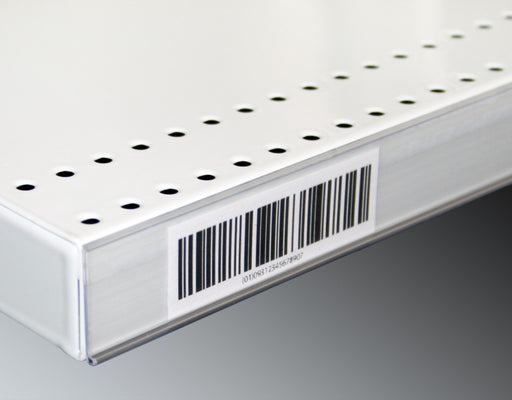
Upgrade your store's pricing and product labeling system with our Flat Adhesive Data Stripping. This cost-effective solution is designed to simplif...
View full details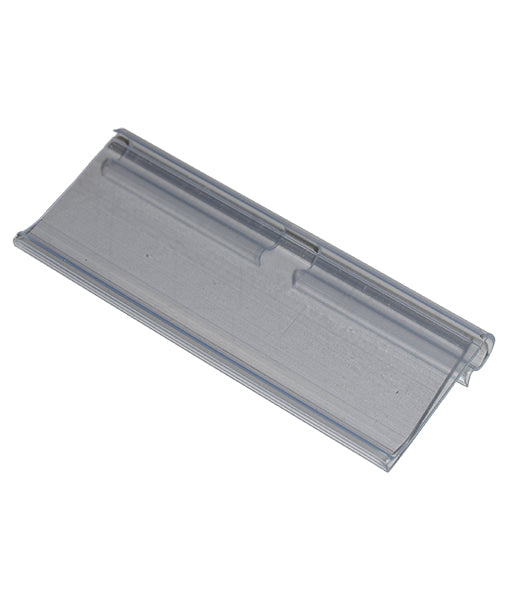
Enhance your store's product labeling and pricing system with our 100-Pack Flipper Tags. These versatile and easy-to-use tags are designed to strea...
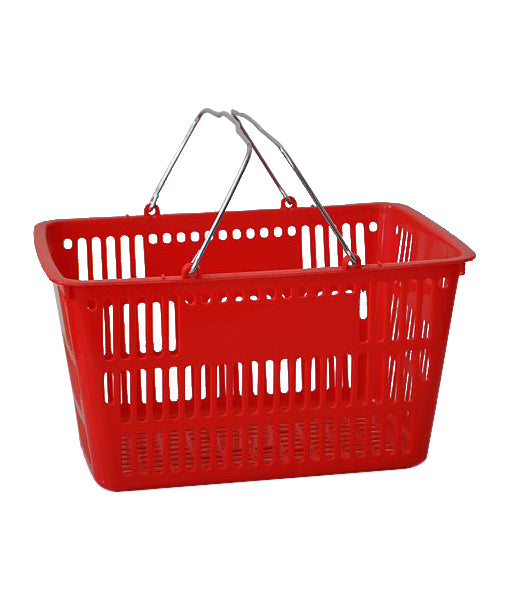
View full detailsUpgrade your customers' shopping experience with our 28 litre Shopping Baskets featuring Metal Handles. These robust and stylish baskets are design...
View full detailsRevolutionize your customers' shopping experience with our Roller Shopping Baskets. These innovative baskets are designed for maximum convenience, ...
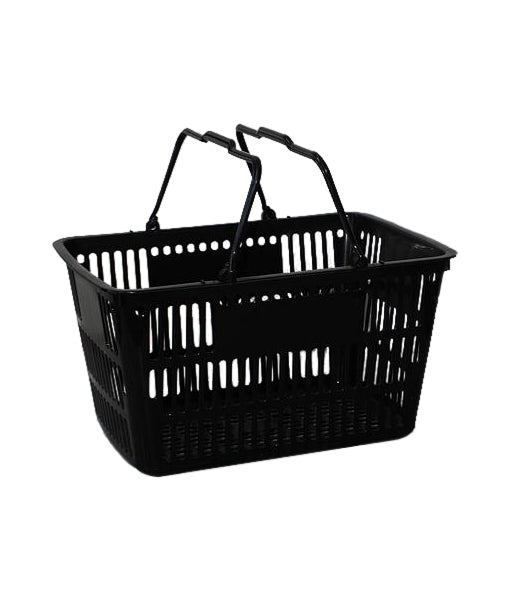
View full detailsMake shopping a breeze for your customers with our 28 Litre Shopping Baskets featuring Plastic Handles. These lightweight and sturdy baskets are de...
View full details{"one"=>"Select 2 or 3 items to compare", "other"=>"{{ count }} of 3 items selected"}