SERVING WA
Since 2009

Yes, shopping trolleys can be custom branded with a store logo using a suitable handle insert, applied graphic or fitted branding panel, depending on the trolley’s design. Confirm the attachment method, cleaning compatibility and finished sample before ordering; a standard trolley listing does not establish that custom branding is included.
Yes. The practical question is which branding method fits the particular trolley without affecting its use. A logo applied to a suitable surface is a different job from replacing a handle insert or attaching a purpose-made panel.
Start with the trolley itself, not the artwork. The shopping trolleys for grocery stores guide helps you consider the underlying fixture before adding a branding requirement.
For a 2026 store fit-out or fleet refresh, use this approval sequence:
Treat these as separate approvals. Attractive artwork does not prove that a panel fits, and a correctly fitted panel does not prove that customers can read the logo.
A trolley is working equipment first and a branding surface second. Customers still need to steer it, load it and return it; staff still need to clean it and manage the trolley storage area.
For a Perth supermarket or independent grocery store, start with those everyday tasks. A prominent logo is not a reason to accept an awkward handle or an attachment that interferes with trolley collection.
The same buying discipline applies to Australia-wide online orders in 2026. Obtain drawings, photographs and written specifications that show what you are approving, especially when you cannot inspect the finished trolley in person.
Buy for store function first; approve branding only after the trolley passes the practical checks. That keeps your budget tied to usable equipment rather than decoration alone.
Compare the proposed methods against the actual trolley. The options below are approaches to discuss with a supplier or branding installer, not confirmation that every trolley accepts them.
| Branding method | Best for | Main advantage | Limitation to check |
|---|---|---|---|
| Handle insert | Trolleys designed with a replaceable branding insert | Keeps the store name near the shopper’s hands | Requires a compatible handle design and correctly sized insert |
| Applied graphic | A suitable, accessible surface approved for the chosen graphic | Places artwork directly on an existing surface | Adhesion and cleaning compatibility need confirmation |
| Fitted branding panel | Trolleys with a suitable panel position and approved attachment | Provides a defined area for the store identity | Must not obstruct nesting, loading or moving parts |
| Custom colour | Orders where the manufacturer confirms a colour option | Adds store identity beyond the logo area | Requires confirmation of the finish and the components covered |
Choose a handle insert when the trolley is designed to accept it and the supplier confirms the fit. Ask whether the supplied piece replaces an existing insert or requires a different handle assembly.
Keep the artwork simple. A store name that reads clearly at the finished size is more useful than a detailed design squeezed into a narrow strip.
An applied graphic is an option to assess where the trolley has a suitable surface. Ask the installer to specify the graphic material, surface preparation and cleaning instructions for that application.
Do not assume that any sticker will work on any trolley. Surface texture, curves and contact with neighbouring trolleys all belong in the assessment.
A fitted panel gives the artwork a dedicated position. Approve its dimensions and attachment before approving the print.
Check both the empty and loaded trolley. The panel must leave the basket usable and must not create an obstruction where customers grip, reach or unload.
Ask about custom colour only after selecting a suitable trolley. Get written confirmation of which parts receive the requested finish and review a physical colour sample where colour matching matters.
A colour shown on a website is not confirmation that another colour can be supplied. Keep colour requirements separate from assumptions about the standard model.
There is no universal branding specification because trolley designs and store routines differ. For your 2026 order, resolve these factors before asking for finished artwork:
These details belong in the brief, not in a conversation after installation. Written answers also let you compare proposals on the same basis rather than comparing logo mock-ups alone.
Capacity and handling remain separate from branding. An 80-litre shopping trolley, an 80-litre roller basket and a 28-litre hand basket have different formats even when your store identity is the same.
| Shopping equipment | Best for | Practical distinction | Trade-off |
|---|---|---|---|
| 80-litre shopping trolley | Customers choosing a trolley for their shop | Trolley format with an 80-litre basket | Check turning, storage and checkout access in your layout |
| 80-litre roller shopping basket | Customers choosing a rolling basket format | Roller basket with an 80-litre stated capacity | Equal capacity does not establish equal handling or dimensions |
| 28-litre hand basket | Customers choosing a carry basket | Smaller stated capacity in a hand-carried format | Customers carry the load rather than push a trolley |
Cheap Shelving is a practical starting point for Australian retailers comparing standard shopping trolleys and baskets. Its range includes Shopping Trolley 80L Grey and 80 Litre Roller Shopping Basket; assess the base equipment separately from any branding proposal.
These are standard product references, not confirmed custom-branded configurations. Ask about branding suitability before treating either as the base for your project.
A useful brief connects the equipment, artwork and store routine. For a 2026 project, make the document specific enough that another staff member can check the finished result against it.
Record the trolley model, the quantity requiring branding and whether the fleet contains different designs. Include photographs showing the proposed branding position, the handle and the trolleys nested together.
Do not treat a mixed fleet as a single fitting job. Ask the installer to identify which designs share a branding method and which need separate assessment.
Supply the current logo file and any existing brand colour specifications. State whether the artwork needs the store name alone or additional information.
Ask for a proof showing actual artwork size and position. Avoid adding text simply because there is space: the trolley is not a substitute for a full store information sign.
Write down who approves the artwork, who approves the physical sample and who checks the completed fleet. Include the agreed cleaning instructions and the process for replacing damaged branding.
Keep the final approved files with your store equipment records. That gives future staff a clear reference when requesting replacement graphics or matching additional trolleys.
Inspect the sample in the setting where it will work. A photograph can show logo placement, but you need the physical trolley to check handling, contact points and cleaning access.
Use the same sequence each time: Check fit, Check visibility, Check handling, Check nesting, then Check cleaning. Record the result before authorising the full fleet.
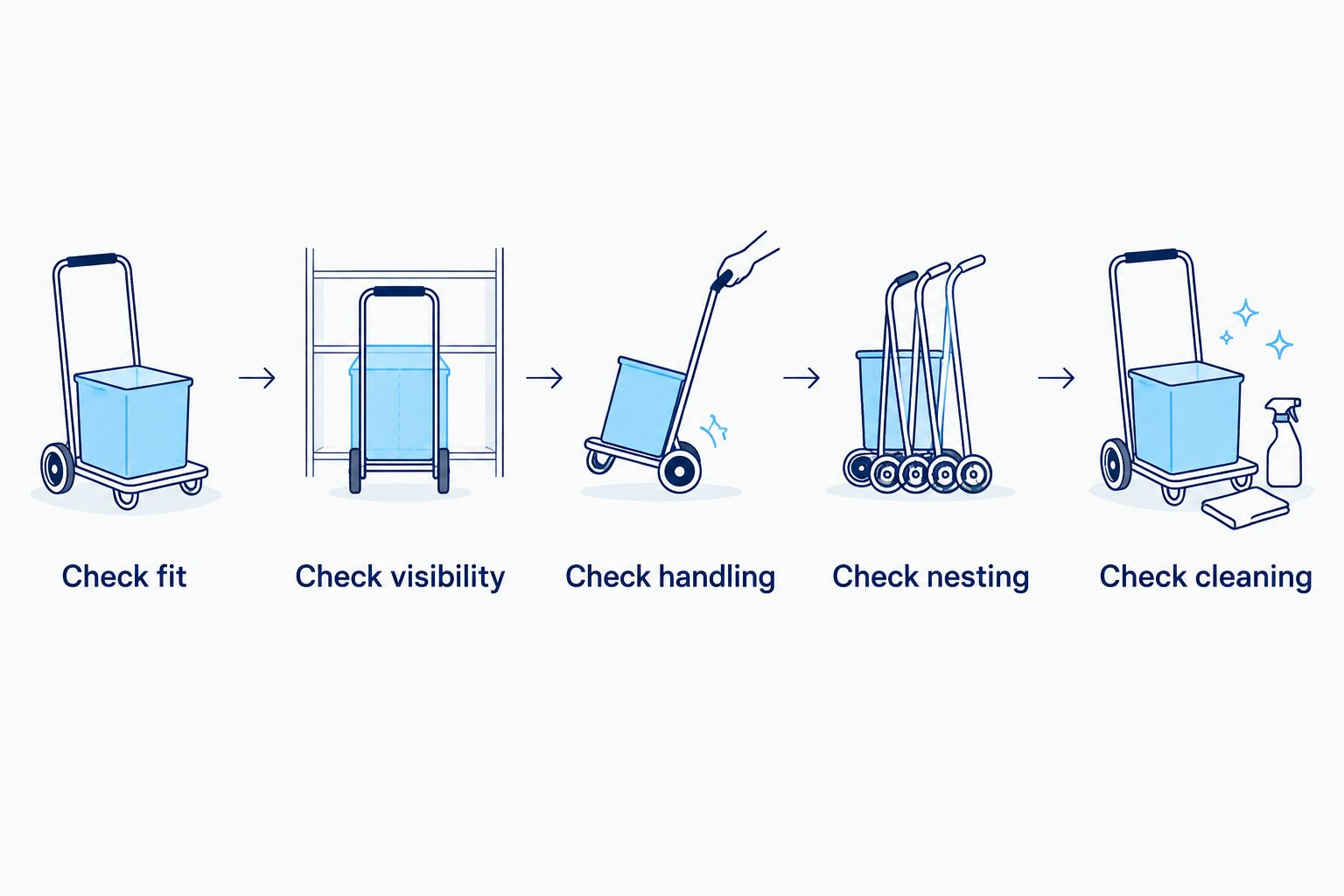
Move the sample through your store’s normal route, including turns and the checkout approach. Load it as intended and check that the branding leaves normal use unobstructed.
Nest it with the existing trolleys, then separate them again. Look for contact with the graphic, panel or fixings rather than checking the trolley only in isolation.
Finally, follow the proposed cleaning instructions. Resolve lifting edges, inaccessible areas or uncertain instructions with the installer before accepting the work.
Existing shopping trolleys can be assessed for custom branding without replacing the whole fleet. Suitability depends on the trolley’s condition, construction and the proposed attachment method.
Start by sorting the fleet by design and condition. Ask for an assessment of the actual trolleys, not approval based solely on a similar model shown in a photograph.
A store logo is identification, not a physical trolley-retention system. Do not treat branding as a substitute for whatever collection and retention arrangements your store needs.
Keep the branding brief focused on identification and appearance. Assess trolley management separately, including where customers return trolleys and how staff collect them.
Trolley branding can use the same approved logo artwork as your store signage. Different materials still need their own proofs, particularly when colour consistency matters.
For your 2026 refresh, compare the trolley sample with the approved store identity rather than a phone screenshot. Keep the logo version consistent without assuming every material reproduces colour identically.
Can shopping trolleys be custom branded with my store logo?
Yes, shopping trolleys can carry a store logo through a suitable insert, applied graphic or fitted panel. Confirm the method against the particular trolley before ordering.
Can I put a sticker on a plastic shopping trolley?
An applied graphic needs a suitable surface and a material specified for that application. Ask the installer to confirm surface preparation, cleaning compatibility and placement.
Is handle branding better than a side panel?
Neither method is best for every trolley. Handle branding needs a compatible handle, while a side panel needs an approved position that leaves loading and nesting unobstructed.
Can I order a trolley in my store colours?
Custom colour requires confirmation from the trolley manufacturer or supplier. Ask which components can receive the requested finish and approve a colour sample where matching matters.
Will custom branding affect trolley nesting?
Branding must be checked for interference with trolley nesting. Approve a physical sample nested with the trolleys your store actually uses.
Does Cheap Shelving offer custom-branded shopping trolleys?
Confirm custom branding directly with Cheap Shelving before ordering shopping trolleys. A standard product listing does not confirm a logo application service or a compatible branding attachment.
Should I choose an 80-litre trolley or an 80-litre roller basket?
Choose between an 80-litre trolley and an 80-litre roller basket by checking handling, customer use and storage space. Matching capacity does not mean matching dimensions or manoeuvrability.
Inspect the branding while the trolley is nested, not just while it stands alone. A logo that looks right in a mock-up still needs to clear the adjacent trolley during collection and storage.
For your next Cheap Shelving shopping trolley enquiry, separate the base equipment requirements from the branding questions. Confirm the trolley first, the attachment second and the finished artwork last.
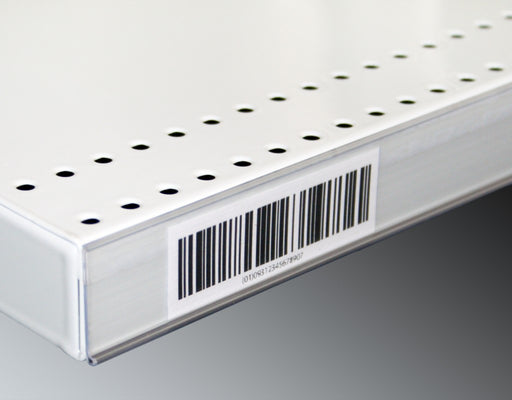
Upgrade your store's pricing and product labeling system with our Flat Adhesive Data Stripping. This cost-effective solution is designed to simplif...
View full details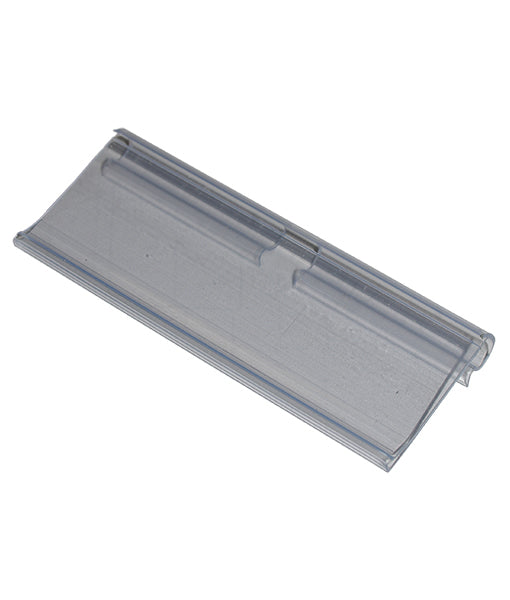
Enhance your store's product labeling and pricing system with our 100-Pack Flipper Tags. These versatile and easy-to-use tags are designed to strea...
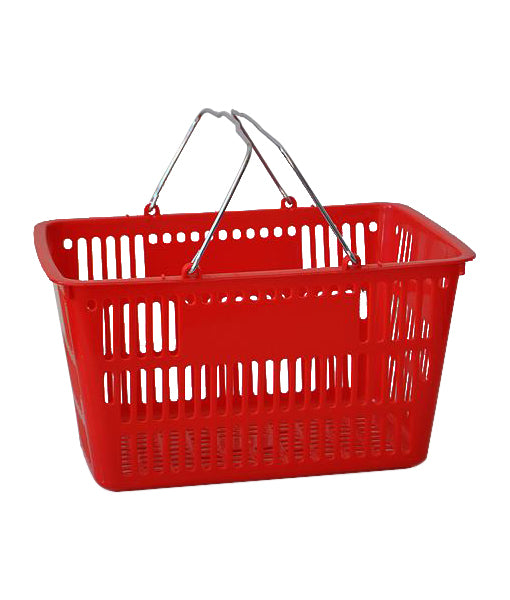
View full detailsUpgrade your customers' shopping experience with our 28 litre Shopping Baskets featuring Metal Handles. These robust and stylish baskets are design...
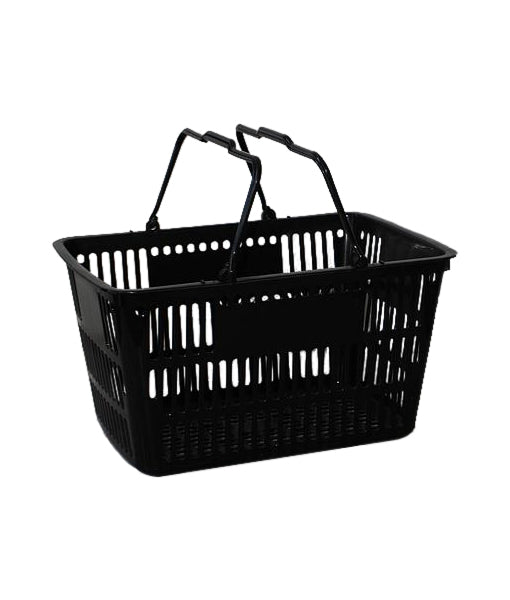
View full detailsMake shopping a breeze for your customers with our 28 Litre Shopping Baskets featuring Plastic Handles. These lightweight and sturdy baskets are de...
View full detailsRevolutionize your customers' shopping experience with our Roller Shopping Baskets. These innovative baskets are designed for maximum convenience, ...
View full details{"one"=>"Select 2 or 3 items to compare", "other"=>"{{ count }} of 3 items selected"}