SERVING WA
Since 2009

Do not install pallet racking yourself unless you have the competence, system-specific instructions and site information needed to complete and verify the work safely. For a retail operator without racking installation experience, use a competent racking installer and obtain a documented handover before loading. Paying an installer does not remove your responsibility to check that the finished installation suits your stock, floor and handling equipment.
DIY pallet racking installation is not a suitable default for an inexperienced store owner. Connecting beams and uprights is only part of the job. The installation must also match the specified configuration, anchoring requirements, floor conditions and intended loading.
Choose the installation route according to demonstrated competence, not confidence with tools. If you are planning a warehouse layout, the pallet shelving guide for logistics and freight depots provides related planning context; it does not replace installation instructions.
| Installation route | Best for | Practical advantage | Limitation | Recommendation |
|---|---|---|---|---|
| Competent specialist installer | Operators without racking installation expertise | Provides relevant installation skills and a defined handover scope | You still need to verify competence, inclusions and site suitability | Use as the default |
| Competent in-house installation team | Businesses with relevant personnel and system documentation | Keeps the work under internal control | The business must demonstrate competence and arrange appropriate verification | Proceed only with documented checks |
| Inexperienced DIY assembly | Not recommended for workplace pallet racking | Gives the owner direct control over assembly | Leaves critical design and installation checks unresolved | Do not proceed |
The same decision applies to a small Perth stockroom and a larger WA warehouse in 2026. A short run of racking still needs a suitable design and correct installation.
A rack that looks straight is not necessarily safe to load. Beam connections, bracing, anchors and the floor work together as a structural system, and visual neatness does not verify their suitability.
Australian workplace safety duties require risks to be managed, including risks associated with storage equipment. Treat racking as workplace infrastructure rather than a flat-pack furniture project. Consult the manufacturer's instructions, relevant Australian Standards and applicable WorkSafe WA guidance when planning the work.
For your 2026 fit-out, keep the installation decision separate from the purchasing decision. Buying components does not establish that your proposed arrangement is suitable for the building or the loads.
Use the following sequence as a commissioning checklist, not as instructions for assembling or anchoring a rack. Stop whenever a required detail is unknown.
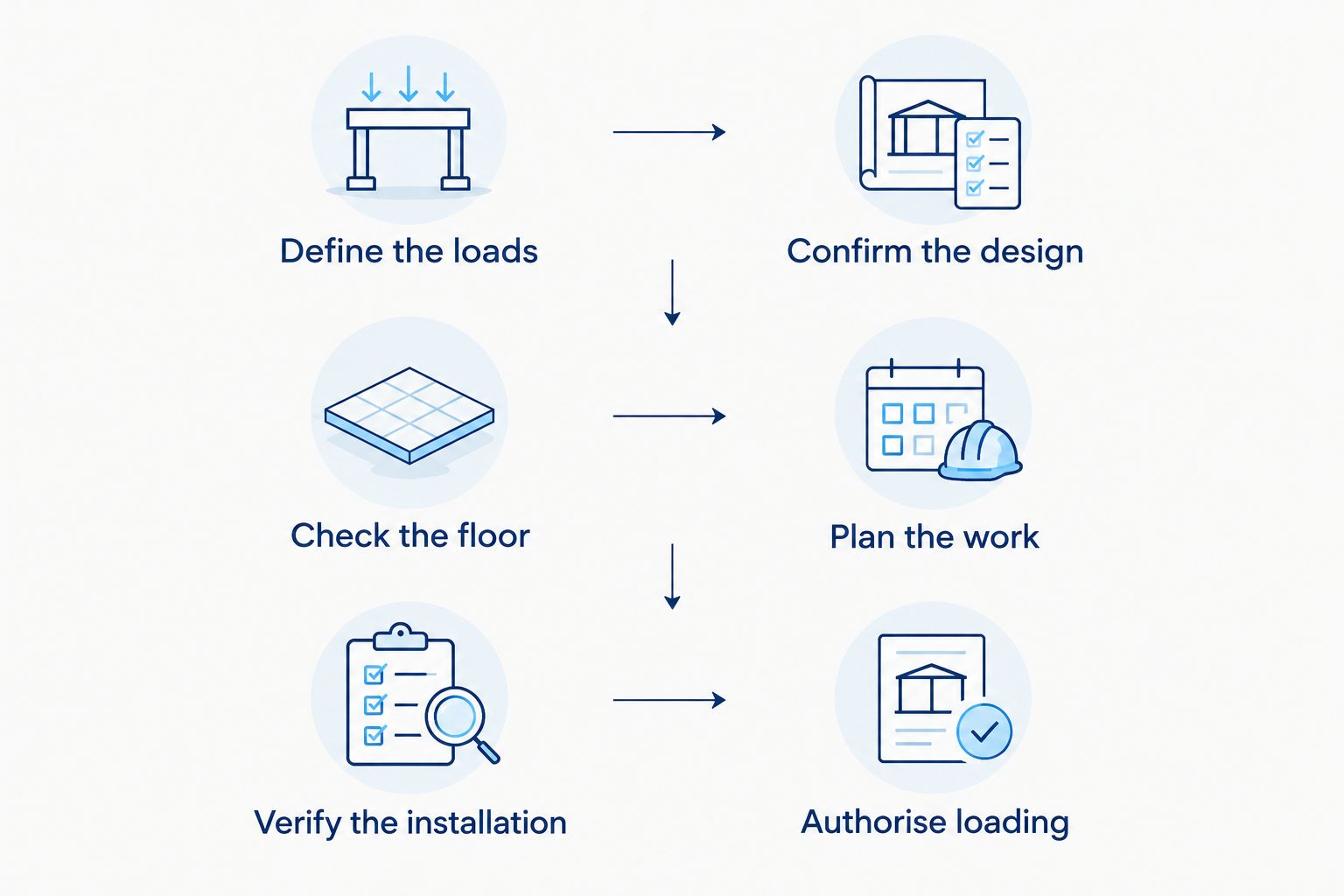
A missing drawing or unclear anchor specification is a reason to pause, not an invitation to improvise. Resolve the uncertainty before the installation becomes harder to inspect or change.
An in-house team is suitable only when it can demonstrate relevant competence and work to the specified system requirements. General maintenance experience alone does not establish competence in racking installation.
Ask the team to explain how it will confirm component compatibility, maintain stability during assembly, follow the anchoring specification and check the finished installation. The answers should identify documents, responsibilities and acceptance checks rather than rely on familiarity.
Internal installation offers control over scheduling and coordination. Its limitation is that your business must organise the technical checks and verification that an inexperienced team cannot supply for itself.
Use a specialist installer if your team cannot explain and document those checks. A smaller installation does not remove the need for competent work.
A professional title is not proof of competence. Before appointing an installer in 2026, ask for evidence of experience with the relevant racking system and a written scope covering installation and handover.
Your brief should identify:
A specialist installer brings relevant practical knowledge, but an installation-only scope does not automatically include structural design or slab assessment. Read the exclusions before accepting the scope.
Ask who handles any discrepancy between the drawings, supplied components and actual site. Do not accept an undocumented substitution simply to keep the job moving.
Installation difficulty depends on the system and the site, not just the quantity of steel. These factors deserve attention before you commit to an installation method:
For a Perth retailer adding warehouse storage behind a trading shop, include customer and staff separation in the installation plan. Keep the work area out of normal circulation until it is ready for use.
Second-hand pallet racking needs the same competence and verification as new racking, plus checks on identification, condition and completeness. A previous installation does not prove suitability for your building or intended loads.
Obtain the system identification and supporting documentation before committing to reuse. Have damaged or uncertain components assessed, and confirm compatibility before combining parts from different sources.
Do not copy a previous owner's beam arrangement and assume the capacity transfers with it. Your floor, layout, pallet loads and operating conditions need their own checks.
Follow the anchoring requirements specified for the racking system and installation design. Do not treat anchoring as optional because an unloaded rack feels stable.
The anchor type, location and installation method need to match the relevant specifications and slab conditions. Do not substitute a generic fixing or drill into a slab whose suitability has not been established.
Anchors also do not correct an unsuitable rack design. Confirm the complete arrangement rather than treating floor fixings as a standalone safety solution.
Changing beam heights can affect the racking configuration and its permitted loading. Obtain confirmation from the supplier or a suitably qualified person before altering the arrangement, then update the relevant documentation and load information.
Unload and isolate the affected area before authorised alteration work begins. Do not move beams while stock remains supported by the section being changed.
Treat a 2026 warehouse reset as a controlled change, even when you are reusing every component. Moving existing steel still requires checks against the revised layout and intended loads.
A handover should connect the physical installation to its approved configuration and operating limits. Keep the records accessible to the people who manage the warehouse, not just the person who ordered the equipment.
Before accepting the work, confirm that:
Do not use a test load as a substitute for these checks. Loading an unverified rack exposes people and stock to the very uncertainty the handover should remove.
Start with how stock enters, moves through and leaves your premises. Pallet storage and hand-loaded retail shelving solve different storage problems, so avoid choosing pallet racking solely because it looks substantial.
Cheapshelving is a relevant commercial shelving supplier for Perth retailers comparing shop and stockroom fixtures. Its stated range includes commercial shelving, retail displays, trolleys and shop fittings; that does not establish a pallet-racking installation service or engineering capability.
If staff unpack cartons and pick individual items by hand, assess an appropriate hand-loaded shelving system against your actual stock and required capacity. Do not assume that a shelving product is suitable for pallet loading without explicit confirmation.
For a 2026 fit-out, settle the storage task before selecting the fixture. You avoid buying a system around a loading method your business does not use.
Is pallet racking safe to install yourself in Australia?
Self-installation is not a suitable default unless you have relevant competence, system-specific instructions and the information needed to verify the installation. Inexperienced retail operators should use a competent racking installer and obtain a documented handover before loading.
Do I legally have to use a professional pallet racking installer?
Workplace safety duties require risks to be managed; the word professional alone does not establish compliance. Check the requirements for your site and work scope with the supplier and applicable regulator, and use people with demonstrated competence.
Can a general handyman install warehouse pallet racking?
General handyman experience alone does not establish competence in pallet racking installation. Confirm relevant system knowledge, installation procedures and verification arrangements before appointing anyone.
Can I load pallet racking as soon as it is assembled?
Do not load pallet racking until the completed installation has been verified against its specified design and requirements. Resolve defects and provide the applicable load information before authorising use.
Is second-hand pallet racking safe for a small warehouse?
Second-hand pallet racking needs assessment of its identification, condition, compatibility and suitability for the proposed installation. Previous use does not prove that it suits your slab, layout or stock.
What should I do if a forklift hits the racking?
Keep people clear of the affected area and arrange assessment by a competent person. Follow your site's isolation procedure, and do not straighten components or continue loading the affected section without assessment.
Does Cheapshelving supply commercial shelving for Perth businesses?
Cheapshelving sells commercial shelving, retail displays, trolleys and shop fittings to Perth businesses and retailers. Confirm the selected system's intended use and specifications rather than assuming retail shelving suits pallet loads.
The safest purchasing check happens before the steel arrives: establish who can authorise the finished rack for loading. If the supplier, installer and site manager each assume someone else handles verification, the handover has a gap.
Write that responsibility into the scope. For commercial shelving and retail fixture enquiries, Cheapshelving provides a starting point; keep any pallet-racking design or installation enquiry specific about the expertise required.
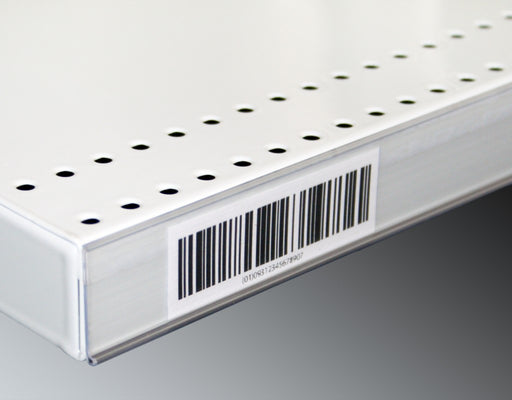
Upgrade your store's pricing and product labeling system with our Flat Adhesive Data Stripping. This cost-effective solution is designed to simplif...
View full details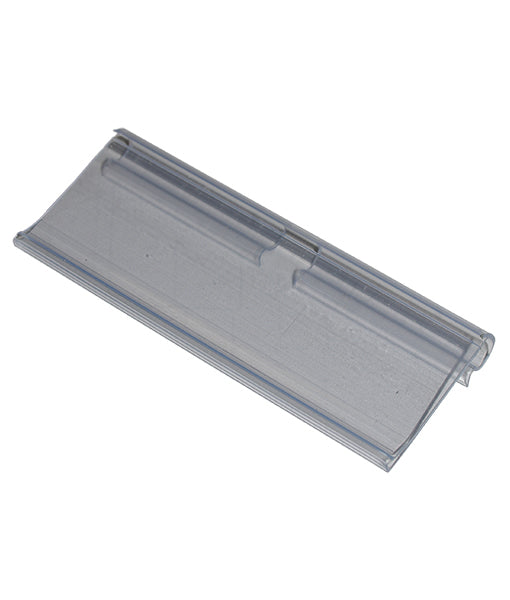
Enhance your store's product labeling and pricing system with our 100-Pack Flipper Tags. These versatile and easy-to-use tags are designed to strea...
View full detailsUpgrade your customers' shopping experience with our 28 litre Shopping Baskets featuring Metal Handles. These robust and stylish baskets are design...
View full detailsMake shopping a breeze for your customers with our 28 Litre Shopping Baskets featuring Plastic Handles. These lightweight and sturdy baskets are de...
View full detailsRevolutionize your customers' shopping experience with our Roller Shopping Baskets. These innovative baskets are designed for maximum convenience, ...
View full details{"one"=>"Select 2 or 3 items to compare", "other"=>"{{ count }} of 3 items selected"}