SERVING WA
Since 2009

Bookstore retail shelving is a shop-fitting system for organising books and periodicals with the aim of making titles easier to find, browse and replenish. This 2026 guide explains how to balance spine-out capacity, face-out visibility and floor space in bookstores and newsagencies, where books, magazines and stationery need different displays.
The right shelving starts with your stock, not an empty floor plan. A bay that suits paperbacks needs a different arrangement for oversized art books, newspapers or greeting cards. Treating those categories as interchangeable leaves you correcting the layout after installation.
Cheapshelving sells commercial shelving, retail displays and shop fittings to Perth and WA businesses. For bookstore shelving, shortlist fixtures against measured stock and written specifications; general retail suitability does not establish suitability for a fully loaded book bay.
Bookstores need both capacity and discovery. Spine-out shelving puts more titles along a shelf, while face-out presentation exposes covers but uses more frontage per title. Neither arrangement wins everywhere.
Newsagencies add changing magazine issues, newspapers and packaged stationery to that decision. You need clear issue separation, room to remove superseded publications, and a display format that does not hide the title behind the publication in front.
For your 2026 fitout, separate permanent browsing shelves from displays you expect to reset. That distinction helps you spend on the fixtures doing the daily work rather than filling every gap with another stand.
Start manually with a tape measure, a scale and representative stock. Record the height, depth and weight of paperbacks, hardbacks, oversized books and bundled publications separately. Include the largest items you actually intend to display.
Choose shelf depth from the stock measurement, not from a preference for deeper shelves. Excess depth does not automatically create useful selling space: a second row hides titles unless you deliberately design and manage it.
Base-shelf options in the supplied range include 300mm and 450mm depths. These are product dimensions, not recommended bookstore shelf depths; compare the complete fixture specification with your stock before selecting either.
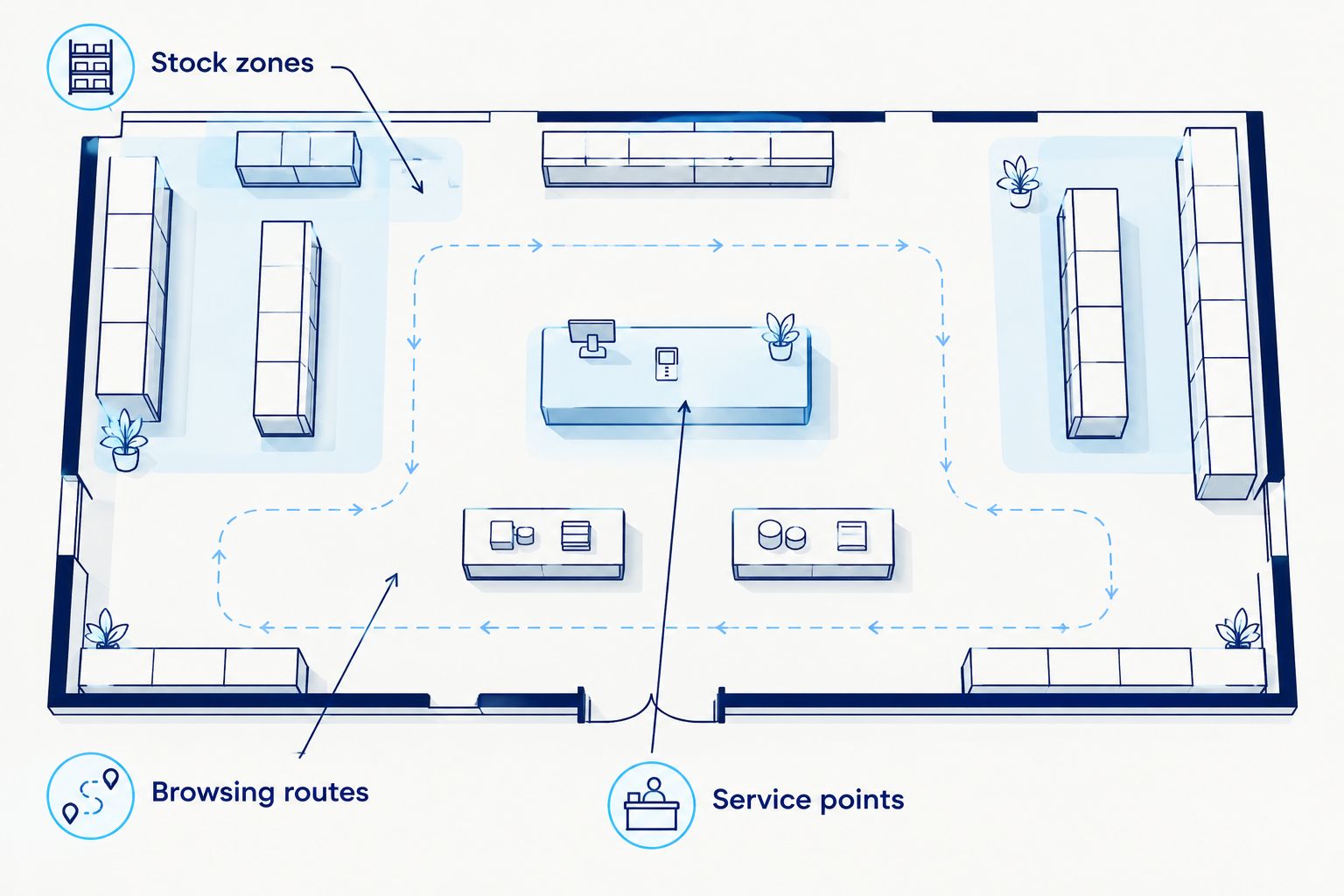
Draw your shop on paper before buying layout software or replacing fixtures. Mark doors, columns, counters and existing services, then sketch shelves at their complete installed footprint. Include bases and projecting accessories, not just shelf boards.
Test the layout with temporary floor markings. Walk the proposed route while carrying stock and ask another person to browse beside it. This checks the everyday interaction between customers, replenishment and service points without treating a sketch as an access assessment.
Keep final access, egress and installation requirements separate from merchandising preferences. Have the proposed arrangement checked against the requirements applying to your premises.
Trial a small section using your existing shelves first. Put everyday range spine-out, select a few covers for face-out presentation, and separate periodicals from books. Photograph the arrangement so staff can repeat it after replenishment.
When existing fixtures cannot present the category clearly, a purpose-made display becomes the next option. Cheapshelving offers shelving and magazine displays, but you still need to confirm that the selected fixture supports your publication sizes and intended loading.
Best for range: spine-out shelving. Best for selected covers: face-out display. The trade-off is capacity versus visible cover area, not a universal rule that one format sells better.
Use actual magazines or full-size paper templates to test cover overlap. Stand at the normal browsing approach and check whether the masthead remains visible. An empty rack photograph cannot answer that question for your publications.
Cheapshelving's Magazine Display Unit 900mm Long Hammertone (Black) has a stated 900mm length, with 3-tier and 4-tier options described in the supplied product information. Best for: a dedicated periodical section, subject to confirming usable display depth, mounting and loading requirements.
The limitation is straightforward: the listed length and tier choices do not establish how many of your particular titles will remain visible. Test the layout before repeating it across a wall.
A mixed newsagency display should make the difference between books and periodicals obvious. Keep book spines readable and magazine covers visible rather than forcing both into the same presentation.

Make a written checklist before comparing suppliers. Ask for the rating of the exact shelf, brackets, uprights and configuration you intend to order, including any anchoring or installation conditions. Do not infer capacity from the words heavy duty.
The supplied Budget Shelving Additional Shelves description states 45kg U.D.L. per shelf and includes 2 shelf brackets. That is a specification for that listed component, not every shelf in the range, and it does not establish the capacity of a complete bookstore installation.
For your 2026 purchasing checklist, record the loading basis alongside the rating. Uniformly distributed load means spread loading; a concentrated stack and an evenly loaded shelf are not interchangeable checks.
Build a simple spreadsheet with a line for every required component. List shelves, brackets, uprights, bases, panels, joining parts and ticketing separately, then identify what each proposed configuration includes. This prevents an incomplete comparison from driving your decision.
Best for an affordable fitout: retain suitable fixtures and replace the parts that fail your stock or layout checks. Keeping existing shelving still requires condition, compatibility and load checks; reuse is not a reason to overlook damage or missing specifications.
For a 2026 refurbishment in Perth or elsewhere in Australia, ask suppliers to separate equipment, assembly and any applicable delivery or installation arrangements in the quote. Compare the same scope without assuming those services are included.
Run a manual replenishment trial before expanding the layout. Give each section a clear location and ask a staff member to find a title, retrieve reserve stock and refill the shelf. Record confusion points rather than relying on how tidy the display looks.
Keep shelf-location labels distinct from product identification. When assessing barcode scanners for stockroom inventory, include the book and periodical barcodes your store handles in the compatibility check; a scanner does not decide where staff should put the item.
Use that trial to establish your 2026 shelf-reset routine. Check that changing a display does not leave an old location label, obscure a neighbouring title or move a publication into the wrong issue position.
Choose the format by its job. The table compares display approaches rather than treating every fixture as a substitute for every other fixture.
| Option | Best for | Practical benefit | Key limitation |
|---|---|---|---|
| Spine-out shelving | Keeping a broad book range browseable | Organises titles along shelf frontage | Covers are not visible; ratings need checking against loaded stock |
| Face-out shelving | Presenting selected book covers | Shows cover artwork directly | Uses more frontage per title |
| Tiered magazine display | Separating visible periodical titles | Arranges publications in stepped rows | Overlap and usable depth need testing with actual issues |
| Slatwall with compatible fittings | Packaged stationery and accessories | Separates hanging stock from book shelves | Panel, fitting and load compatibility require confirmation |
| Long Span Shelving | Reserve-stock storage | Provides a separate storage option to assess | Storage suitability does not establish suitability for customer browsing |
The following Cheapshelving products address a dedicated magazine section and additional shelving components. Confirm the configuration before ordering: the magazine unit needs publication-fit checks, while an additional shelf needs compatible supporting parts.


Face-out presentation uses the frontage that otherwise holds multiple spines. Select the titles that need cover visibility, then preserve a readable spine-out range rather than forcing excess books into hidden rows.
A deeper shelf does not solve every capacity problem. Check book depth, overall fixture projection and browsing space together; do not sacrifice circulation for shelf area your stock will not use.
A tidy-looking stack still needs issue control. Give current publications a defined place and remove superseded copies through your store's established returns or stock-handling process.
A bracket, divider or ticket holder needs to match the fixture. Check the connection and intended use rather than assuming similar-looking parts will fit safely.
Repeating an untested bay repeats its problems. Trial the loaded arrangement and the restocking route before committing the rest of the floor.
What's the best retail shelving for bookstores?
The best retail shelving for bookstores matches book dimensions, loaded weight and browsing space. Use spine-out shelving for range and reserve face-out positions for selected covers; confirm the exact fixture's rating before ordering.
Should a newsagency use book shelves or magazine racks?
A newsagency should match each display to the publication rather than use one format everywhere. Upright books need readable spines, while magazines need visible mastheads and clear separation between titles and issues.
How deep should bookstore shelves be?
Choose bookstore shelf depth from your actual book measurements and the fixture's usable dimensions. Check oversized titles separately, and include the full fixture projection when planning browsing routes.
Can I use commercial shelving for heavy books?
Use commercial shelving for books only after confirming the exact configuration's load rating and installation requirements. A general product category or heavy-duty label does not establish the capacity of an individual shelf.
Is slatwall suitable for a bookstore or newsagency?
Slatwall is an option to assess for packaged stationery and accessories with compatible fittings. Confirm panel support, fitting compatibility and loading requirements rather than treating it as a replacement for rated book shelving.
Can I add shelves to my existing bookstore fixtures?
Add shelves only when the shelves and supporting components are confirmed compatible. Check the complete bay's loading and installation requirements as well as the rating of the added shelf.
What should I send a shelving supplier before ordering?
Send a measured floor plan, representative stock dimensions, intended loading and a list of display categories. Identify existing fixtures you want to retain and request a component-by-component specification for the proposed layout.
A fitout is not finished when the shelves are full; it is finished when a customer can remove a book and staff can put it back in the right place. Test that small interaction at your busiest categories before repeating the layout across the store.
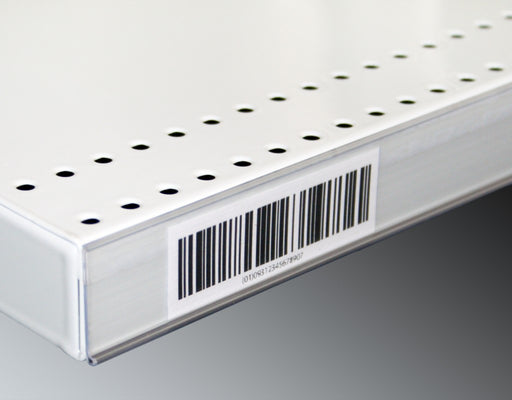
Upgrade your store's pricing and product labeling system with our Flat Adhesive Data Stripping. This cost-effective solution is designed to simplif...
View full details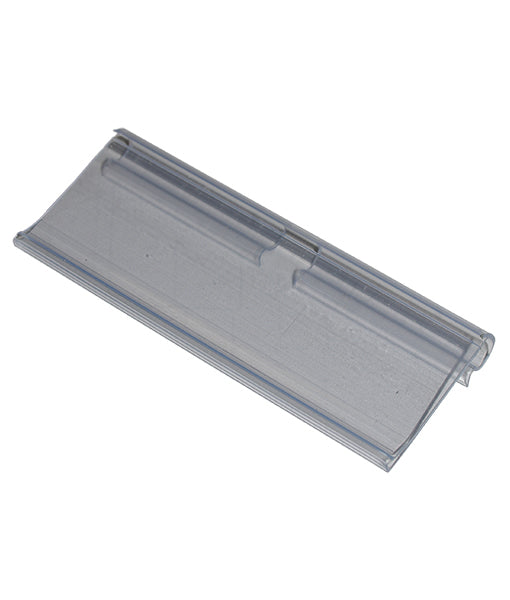
Enhance your store's product labeling and pricing system with our 100-Pack Flipper Tags. These versatile and easy-to-use tags are designed to strea...
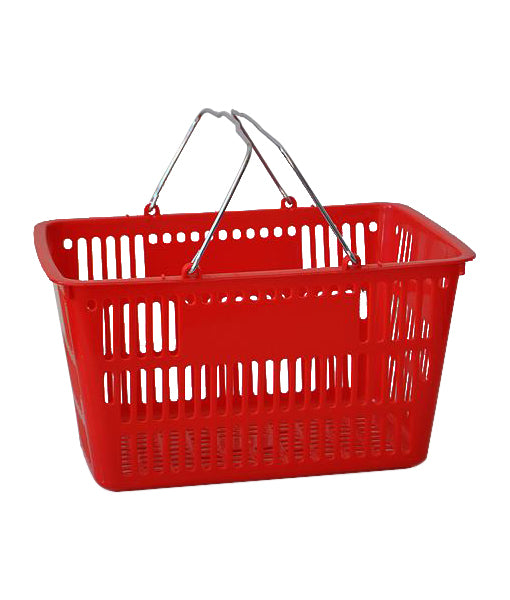
View full detailsUpgrade your customers' shopping experience with our 28 litre Shopping Baskets featuring Metal Handles. These robust and stylish baskets are design...
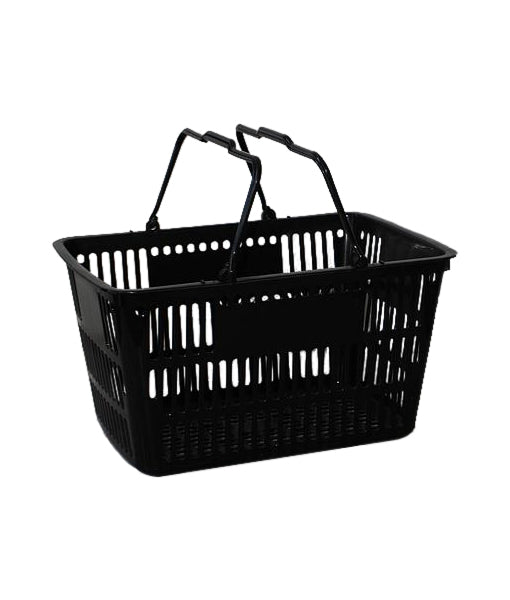
View full detailsMake shopping a breeze for your customers with our 28 Litre Shopping Baskets featuring Plastic Handles. These lightweight and sturdy baskets are de...
View full detailsRevolutionize your customers' shopping experience with our Roller Shopping Baskets. These innovative baskets are designed for maximum convenience, ...
View full details{"one"=>"Select 2 or 3 items to compare", "other"=>"{{ count }} of 3 items selected"}