SERVING WA
Since 2009

Wire display bins are not automatically food safe for loose bulk items: direct food contact requires a suitable material and finish, a cleanable design and protection from contamination. For sealed packaged food, the wire bin acts as a display fixture rather than the food-contact container. For loose grains, nuts or confectionery, use a suitable food-contact container instead of assuming a retail wire basket is approved for the job.
A wire display bin is not evidence of food-contact suitability. Your decision depends on whether food touches the wire, what the surface is made from and how you protect the contents during trading.
Start by separating the merchandising fixture from the container that actually holds the food. The wire display bins to bulk-food merchandising workflow covers the wider display setup; food-contact suitability remains a separate buying check.
| Display arrangement | Best for | Practical benefit | Limitation or required check |
|---|---|---|---|
| Wire bin holding sealed packages | Packaged bulk promotions | Groups packaged stock in an open display | Check packaging remains intact and does not snag |
| Loose food touching wire | Applications with documented food-contact suitability | Keeps the display open | Requires suitable surfaces, cleanability and contamination controls |
| Suitable container supported by a wire fixture | Loose dry foods needing containment | Separates food contact from the outer fixture | Confirm container support, access and cleaning arrangements |
| Open wire display holding whole produce | Produce suited to that display arrangement | Allows an open presentation | Check food-contact suitability, damage risk and contamination protection |
A product described as a dump bin, display basket or promotional bin does not establish suitability for unpackaged food. Ask for information covering the exact product and intended use before ordering.
A Perth grocer displaying sealed snack bags has a different task from a bulk-food shop selling loose nuts. The first display supports packaging; the second needs food-contact surfaces, a serving method and controls against contamination.
For a 2026 fitout, treat food safety as a selection requirement, not an accessory added after the fixture arrives. A bin that fits your floor plan still fails the buying check if you cannot confirm that it suits the food you intend to place inside.
Food Standards Australia New Zealand's Food Standards Code, Standard 3.2.2, addresses food display, including protection from contamination. Standard 3.2.3 addresses food premises and equipment, including suitable food-contact surfaces and cleaning access. These requirements matter more than a fixture's retail category name.
Wire bins are a practical display format for intact packaged goods because the packaging separates food from the fixture. Check the packages as well as the bin. A projecting wire end or damaged joint is a reason to stop using that fixture until the problem is addressed.
Before filling a promotional display:
Choose the display around the package, not just the quantity of stock. Small packs need secure containment, while larger packs need enough room for customers to remove them without damaging neighbouring stock.
For your 2026 merchandising plan, keep packaged promotions distinct from self-service loose food. Moving from wrapped products to loose contents changes the food-safety assessment even when the outer bin stays the same.
Loose grains, cereals, nuts and confectionery need a container suitable for contact with that food. Wire construction alone does not establish this. Neither does a smooth-looking painted or powder-coated finish.
Request confirmation covering the contact material, coating where relevant, intended foods and cleaning instructions. Check the complete assembly: joints, corners, removable parts and any surface that food or serving utensils will touch.
A liner is not an automatic solution. It must itself suit the intended food contact, remain intact and allow a workable cleaning routine. A liner that shifts, tears or leaves food trapped underneath introduces another maintenance task rather than resolving the original question.
Do not place loose food directly into a promotional wire bin without confirming suitability. A purpose-designed bulk-food container gives you a clearer starting point, but you still need to check its instructions and manage the display correctly.
Cheap Shelving lists bulk-food containers and gravity-feed dispensers described as having food-safe polycarbonate bodies. The supplied range includes a 13-litre free-standing container and gravity-feed options holding 13 litres or 19 litres. Those descriptions apply to those containers, not to every display fixture sold alongside them.
Cheap Shelving suits Perth retailers sourcing commercial displays and bulk-food containers. Choose the food-contact container first, then assess the supporting fixture, customer access and floor space.
Capacity is not a food-safety rating. A 19-litre dispenser holds more than a 13-litre container, but neither figure establishes suitability for every food, cleaning chemical or operating condition.
Before ordering, check:


The same-looking display can present a different risk once you change the food, packaging or serving method. Assess these factors together rather than treating the material name as the whole answer.
In 2026, make these checks part of the purchase specification. Written requirements help you compare suitable equipment rather than choosing on appearance and discovering the limitations during setup.
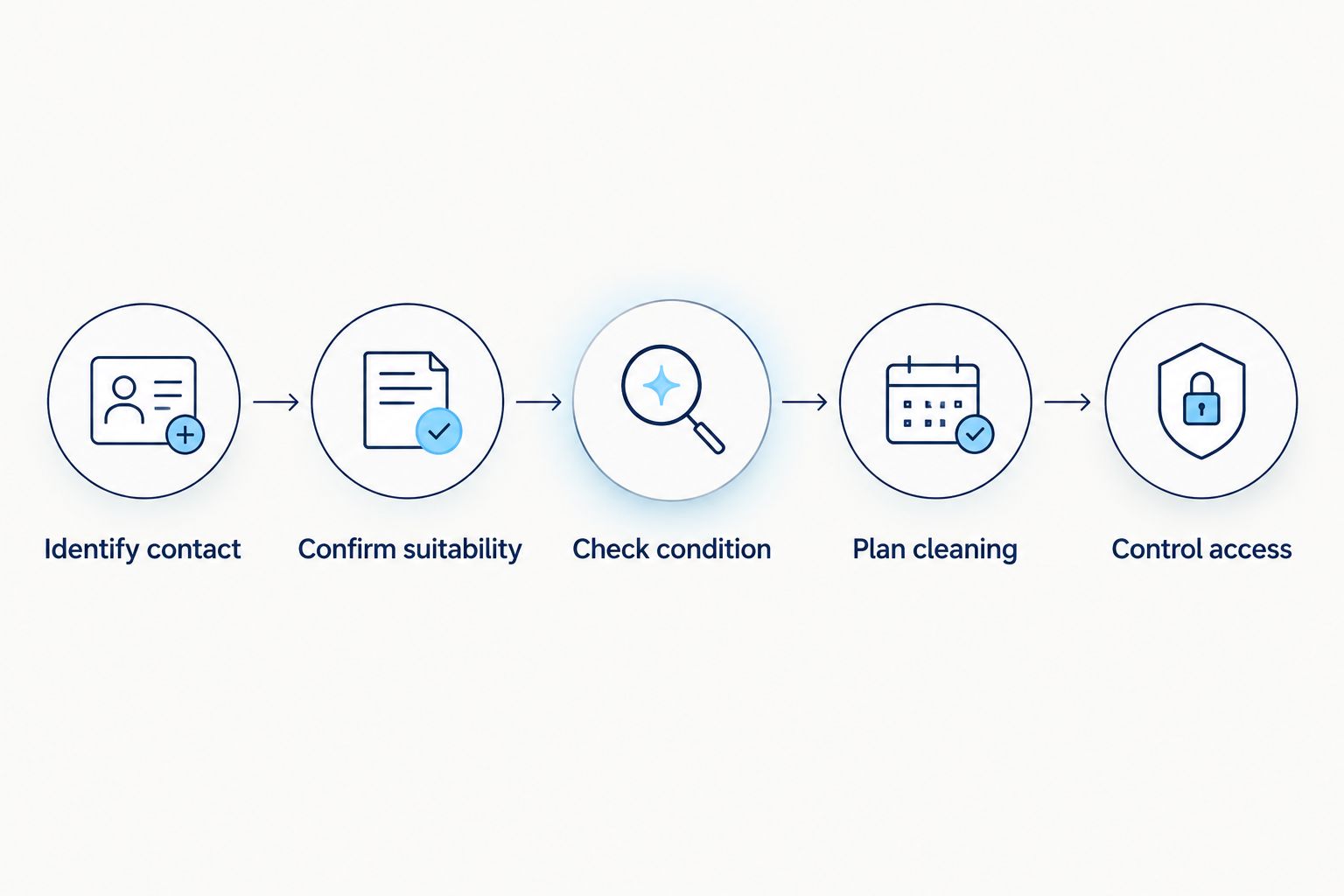
Use a short approval process before the display reaches the shop floor. Keep the product information with your equipment records so staff know which uses and cleaning methods have been checked.
Test access with the equipment in its intended position before adding food. Staff should be able to refill and clean it without balancing containers on an unsuitable edge or leaving equipment in the customer route.
For a 2026 equipment refresh, repeat the assessment when you change the food or serving method. Approval for sealed snack bags does not establish approval for loose confectionery.
Loose nuts or lollies need confirmed food-contact suitability and protection from contamination; an ordinary promotional wire bin does not establish either. Use a suitable bulk-food container and check the serving arrangement, cleaning instructions and allergen controls before filling it.
A food-safe liner does not make every wire bin suitable for loose food. Check the liner's intended use, how it stays in position, whether the fixture can damage it and how staff will clean beneath it.
Bulk-food displays need protection from contamination; a lid and scoop are possible parts of that arrangement, not proof that the whole setup complies. Standard 3.2.2 sets additional requirements for unpackaged food displayed for self-service, including supervision, separate serving utensils or another suitable dispensing method, and protective barriers.
Start with the food-contact container, then measure the complete installation. Include the space needed to open a lid, operate a dispenser, remove a container and clean around the fixture. The equipment's footprint is only part of the space it occupies during use.
For example, a wire bin specified as 460 mm long, 460 mm wide and 740 mm high gives you external dimensions, not food-contact approval. Keep dimensional checks and food-safety checks as separate lines on your buying list.
Assign the display a clear operating routine before opening it to customers:
Buy for the complete task, not the empty fixture. A budget-friendly display still needs suitable containers, workable cleaning access and a practical refill routine.
Are wire display bins food safe for unpackaged food?
Wire display bins are not automatically food safe for unpackaged food. Confirm the exact material, finish, cleanability and intended food contact, then provide suitable contamination protection.
Can I put sealed food packets in a wire dump bin?
Yes, a wire dump bin can hold sealed food packets when the fixture does not damage the packaging and the food's storage requirements are met. Inspect edges, joints and packages during use.
Is powder-coated wire automatically safe for direct food contact?
No, a powder-coated finish alone does not establish direct food-contact suitability. Request information for the exact coating, product and intended use.
Can I display loose grains in a lined wire basket?
Only use a lined wire basket for loose grains after confirming the liner and complete setup suit the intended food contact. Check liner integrity, cleaning access and protection from contamination.
Does a 13-litre bulk-food container fit any display stand?
A 13-litre capacity does not establish whether a container fits or is supported by a display stand. Check external dimensions, the loaded arrangement, fixture suitability and refill access.
Does Cheap Shelving sell containers for bulk food?
Cheap Shelving lists bulk-food containers and gravity-feed dispensers described as having food-safe polycarbonate bodies. Check the selected product's suitability and instructions for your intended food and cleaning routine.
Who should I ask about a bulk-food display in WA?
Ask your local government environmental health team about your proposed food-display arrangement in WA. Bring the product information, intended foods and details of customer serving and cleaning.
Assess what touches the food, not what gives the display its shape. A suitable container supported by a wire fixture and loose food poured directly into that fixture are different arrangements. Photograph your planned setup and keep its material and cleaning information together before seeking advice or placing the order.
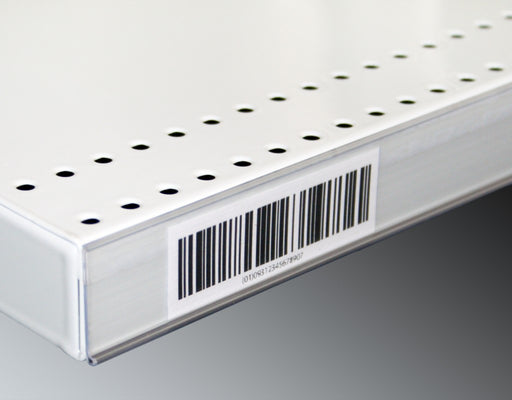
Upgrade your store's pricing and product labeling system with our Flat Adhesive Data Stripping. This cost-effective solution is designed to simplif...
View full details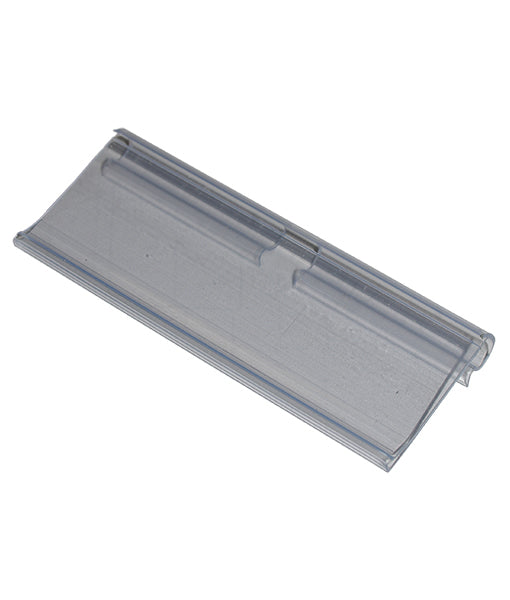
Enhance your store's product labeling and pricing system with our 100-Pack Flipper Tags. These versatile and easy-to-use tags are designed to strea...
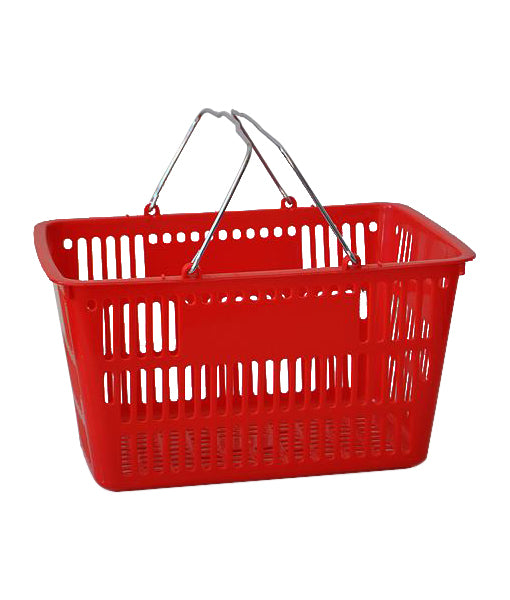
View full detailsUpgrade your customers' shopping experience with our 28 litre Shopping Baskets featuring Metal Handles. These robust and stylish baskets are design...
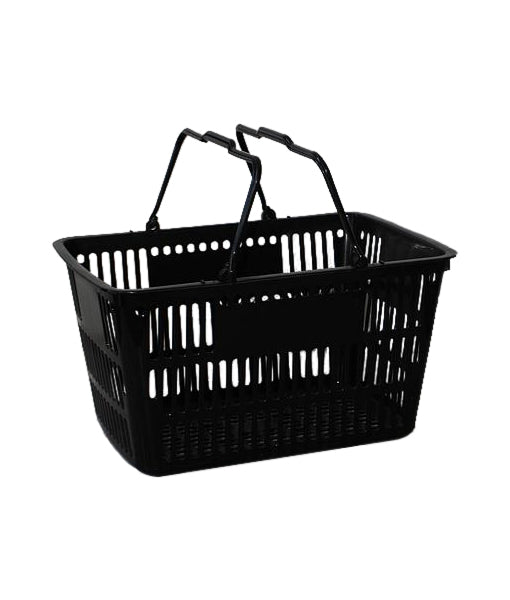
View full detailsMake shopping a breeze for your customers with our 28 Litre Shopping Baskets featuring Plastic Handles. These lightweight and sturdy baskets are de...
View full detailsRevolutionize your customers' shopping experience with our Roller Shopping Baskets. These innovative baskets are designed for maximum convenience, ...
View full details{"one"=>"Select 2 or 3 items to compare", "other"=>"{{ count }} of 3 items selected"}