SERVING WA
Since 2009

Best overall for checkout merchandise: Counter front point-of-sale. Best for shelf-edge ticketing: Data Strip 50x26mm Pack of 50. Best for individual display tickets: Flipper Tags Pack of 100. This 2026 guide compares point of sale supplies for retail checkouts by display space, label placement and everyday handling—not payment terminals or checkout software.
Checkout supplies compete for the same space as purchases, bags and staff movement. For your 2026 fit-out, choose the fixture that fixes a specific problem before adding another display.
| Rank and item | Best for | Standout feature | Key limitation |
|---|---|---|---|
| 1. Counter front point-of-sale | Impulse confectionery displays | 5 sloping acrylic shelves, each 250mm deep | Main counter shown in the product description is not included |
| 2. Data Strip 50x26mm Pack of 50 | Shelf-edge ticketing | Listed 50x26mm format in a pack of 50 | Confirm the fitting and usable ticket dimensions |
| 3. Flipper Tags Pack of 100 | Individual display tickets | Pack of 100 tags | Confirm compatibility with your display fittings |
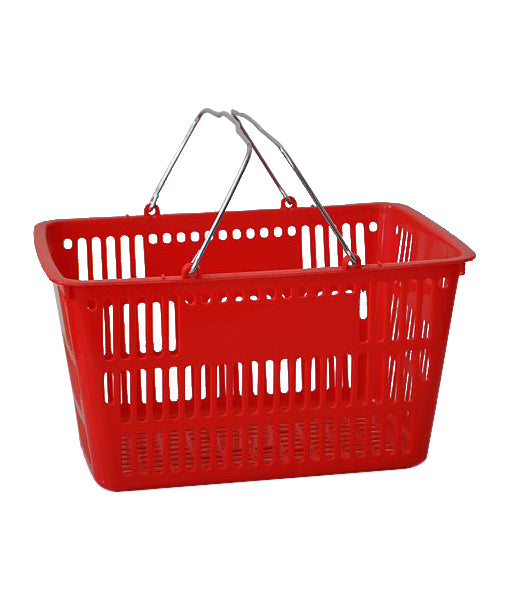
| 4. Shopping Basket Metal Handle | Carrying purchases to the checkout | Metal-handle basket format | Requires a collection and return position |
These options perform different jobs. A merchandise display does not replace ticketing, and a basket does not solve an overcrowded counter. Select the relevant category first, then check the individual product against your measurements.
Counter front point-of-sale provides a dedicated display for impulse confectionery items. The supplied product description specifies 5 sloping acrylic shelves, each 250mm deep, and states that the main counter pictured is not included.
This is the most relevant option when your checkout needs merchandise presentation rather than another label holder. Treat it as a display component, not a complete checkout counter.
Best for: Retailers adding a confectionery display to an existing checkout arrangement.
Before ordering, measure the proposed position and compare the full product dimensions with your counter. Check width, overall height, installation requirements and stated load limits; do not treat a shelf-depth measurement as a complete installation specification.
Lay out the intended merchandise on a work surface first. Keep product fronts and tickets visible, and check that removing one item does not disturb the neighbouring stock. This gives you a practical display plan before the fixture reaches the shop floor.
Verdict: Buy for a measured confectionery display position; hold if you need a complete counter.
Data strips hold tickets at the shelf edge, keeping product information beside the merchandise. The Data Strip 50x26mm Pack of 50 listing identifies a specific size and pack quantity; check the product details against your existing shelf edge before ordering.
For a 2026 checkout refresh, shelf ticketing is the first task when customers cannot clearly match merchandise to its ticket. Adding another display leaves that problem untouched.
Best for: Checkout shelving with unclear, loose or inconsistent shelf-edge tickets.
Count the label positions you need, not just the shelves. Several product lines on one shelf need their own clearly associated tickets, while an empty shelf does not need a label merely because a holder is available.
Check the usable ticket area separately from the external holder dimensions. Confirm the attachment method, then inspect how the ticket reads from the customer's normal approach. Keep essential product information legible rather than squeezing extra wording into a small label.
Verdict: Buy for shelf-edge ticketing after confirming the shelf fitting and ticket size.
Flipper tags are an alternative ticketing format for individual display positions. The Flipper Tags Pack of 100 listing gives you a stated order quantity, but you still need to confirm how the tags attach to your intended fitting.
Use this category when a ticket belongs with an individual display position rather than along a continuous shelf edge. Do not assume a tag fits an existing hook simply because the products sit in the same merchandising category.
Best for: Retailers ticketing individual display fittings, subject to confirmed compatibility.
Inspect the actual fitting at the checkout before selecting a tag. Record its attachment point and check that the installed ticket will not obstruct customers taking merchandise from the display.
Keep one clear relationship between the ticket and the product position. If similar items sit beside each other, check the product wording as well as the ticket location. A neatly fitted holder is not useful when the ticket describes the wrong item.
Verdict: Hold until the attachment is confirmed; buy for compatible individual ticket positions.
A shopping basket gives customers a place to carry selected merchandise to the checkout. Shopping Basket Metal Handle identifies the handle format, but capacity, dimensions and suitability for your intended loads need checking in the product details.
The buying decision includes the basket's home in your store. Plan where customers collect baskets and where staff return them after payment, rather than leaving that arrangement until the checkout becomes crowded.
Best for: Retailers whose customers need to carry purchases around the store and present them at checkout.
Check the basket with the kinds of products your customers buy together. Consider bulky packaging, awkward shapes and the space needed to set the basket down while staff process the purchase.
Choose a return location outside the transaction surface and customer route. Assign responsibility for returning baskets to the collection point; buying more baskets is not a substitute for a workable handling routine.
Verdict: Buy when the basket suits your merchandise and you have a clear return position.
For a Perth convenience shop, a confectionery display and clear ticketing answer different needs. For a small boutique, carrying purchases and preserving counter space can take priority over adding checkout merchandise. Start with the activity your checkout must support.
Use this decision sequence for your 2026 fit-out:
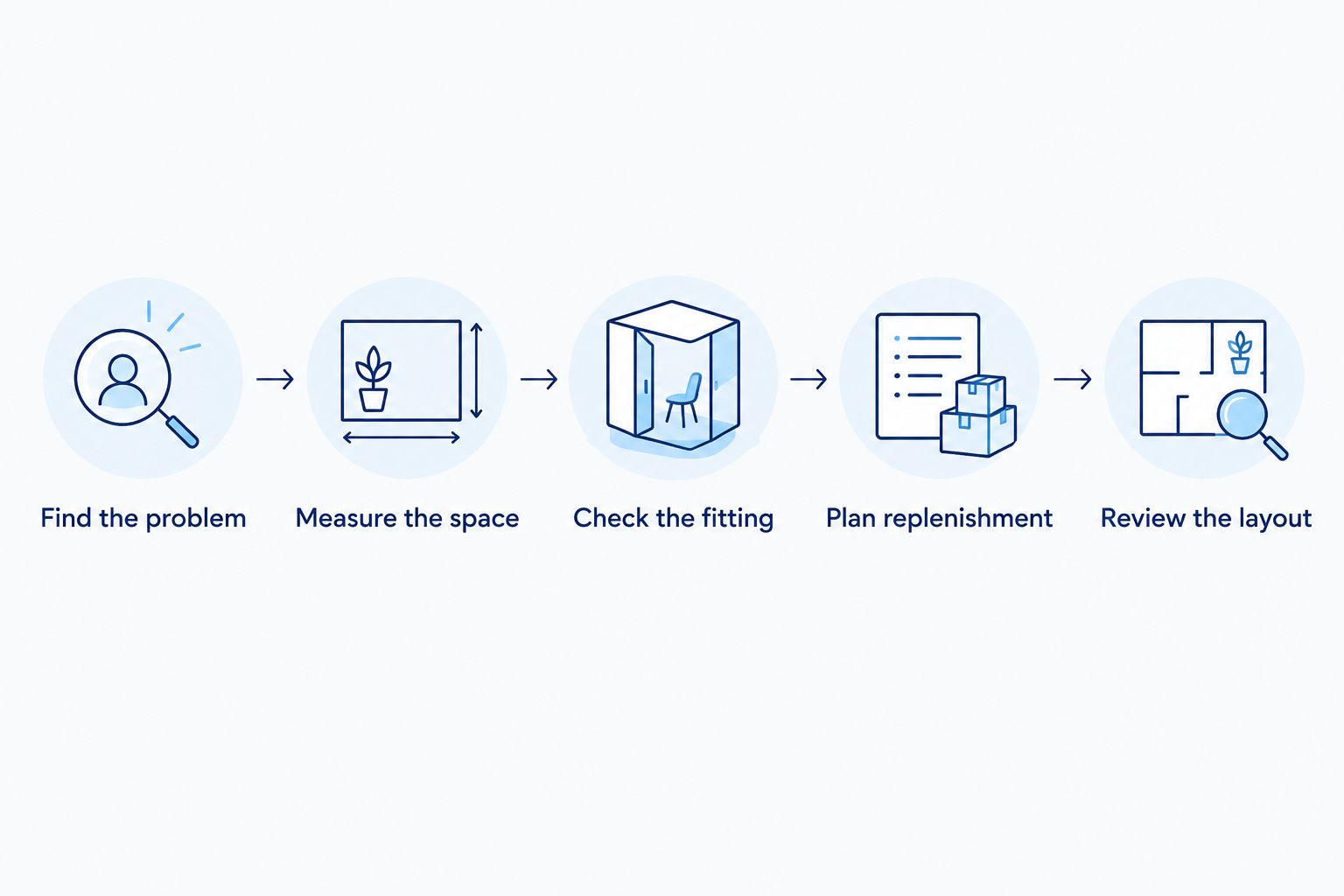
Cheapshelving is best for retailers sourcing physical checkout supplies rather than payment technology. Its stated range includes commercial shelving, retail displays, trolleys and shop fittings for businesses and retailers in Perth, Western Australia.
Mark where purchases, bags and customer belongings sit during payment. Place proposed displays around that working area, not inside it. A fixture that fits the counter's dimensions still needs checking against the way staff and customers use the counter.
A shelf measurement tells you about physical space, not how much weight it supports. Likewise, a metal handle does not establish a basket's load rating. Confirm each specification independently and use the supplier's stated limits for the exact item.
Compare the 50-piece data-strip pack and 100-piece flipper-tag pack with your actual ticketing positions. Choose the fitting first, then calculate the quantity. Spare incompatible holders do not help your next display change.
Ask who changes tickets, replenishes shelves and returns baskets. Give each task an accessible position. For Australia-wide online buyers, write these requirements beside your measurements so you can assess the product details without relying on an in-person inspection.
Compare the complete set of items required for the intended arrangement. In particular, account for the main counter separately when assessing Counter front point-of-sale. Buy the missing function, not the largest collection of accessories.
The ranking prioritises a defined checkout task, usable product information and a clear buying check. Counter front point-of-sale leads for merchandise presentation because its description explicitly identifies impulse confectionery and shelf details. Data strips, flipper tags and the basket then occupy separate ticketing and handling roles.
This is a use-case ranking, not a durability test or a comparison of payment systems. Cheapshelving's physical point of sale supplies for retail belong in a shop-fitting decision; software, card processing and payment-terminal compatibility need a separate assessment.
Choose Counter front point-of-sale if your checkout needs a dedicated confectionery display. Choose data strips first if your existing merchandise needs clearer shelf tickets. Flipper tags belong on confirmed compatible display fittings; the shopping basket belongs in a planned customer-handling routine.
For an undecided retailer in 2026, start with the existing checkout. Correct ticket placement and clear the transaction area before introducing another merchandise fixture. Then buy the item that fills the remaining gap.
What are the best point of sale supplies for retail checkouts?
The best option depends on the checkout task: Counter front point-of-sale suits impulse confectionery, data strips suit shelf-edge ticketing, and flipper tags suit compatible individual display fittings. A shopping basket addresses customer handling rather than ticketing or merchandise presentation.
Does Counter front point-of-sale include the checkout counter?
No, the supplied product description states that the main counter pictured is not included. The display has 5 sloping acrylic shelves, each 250mm deep; check the complete installation details before ordering.
Are data strips better than flipper tags for checkout labels?
Data strips are the relevant category for shelf-edge ticketing, while flipper tags are an option for individual display fittings. Choose by attachment and ticket position, not by pack quantity alone.
Will a 50x26mm data strip fit my existing shelf?
Confirm the attachment and usable ticket dimensions against your actual shelf before buying. The listed 50x26mm format does not establish compatibility with every shelf profile.
Should I add a confectionery display to a small checkout?
Add a confectionery display only after confirming that it leaves the transaction area and staff access clear. Measure the complete fixture position, not just the shelf depth.
What should I check before buying metal-handle shopping baskets?
Check the basket dimensions, stated capacity and suitability for your typical merchandise. Plan a collection and return position that does not occupy the checkout working area.
Does Cheapshelving supply payment terminals as part of this guide?
This guide covers physical retail displays, ticketing supplies and customer-handling equipment, not payment terminals. Assess payment hardware and software separately from these shop-fitting choices.
Check tickets from the customer's side of the checkout. A label that looks clear while you replenish stock can sit behind merchandise or face away from the queue. Stand where the purchase decision happens, then adjust the ticket position before adding another fixture.
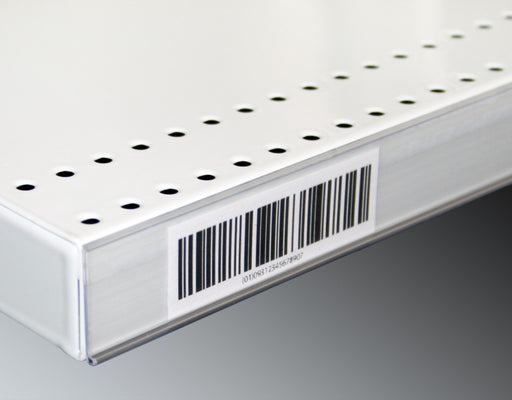
Upgrade your store's pricing and product labeling system with our Flat Adhesive Data Stripping. This cost-effective solution is designed to simplif...
View full details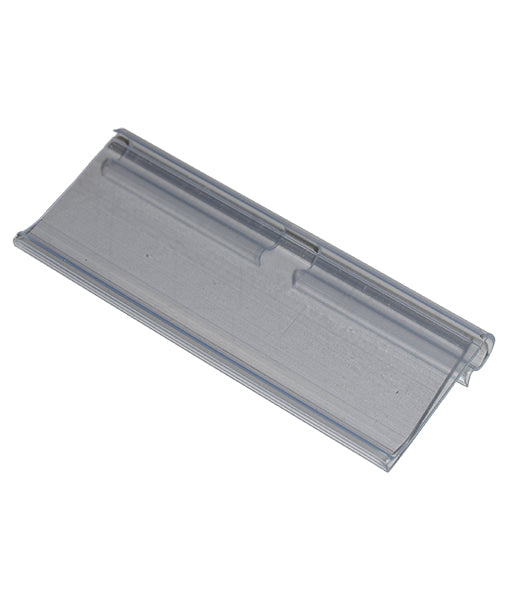
Enhance your store's product labeling and pricing system with our 100-Pack Flipper Tags. These versatile and easy-to-use tags are designed to strea...
View full detailsUpgrade your customers' shopping experience with our 28 litre Shopping Baskets featuring Metal Handles. These robust and stylish baskets are design...
View full detailsRevolutionize your customers' shopping experience with our Roller Shopping Baskets. These innovative baskets are designed for maximum convenience, ...
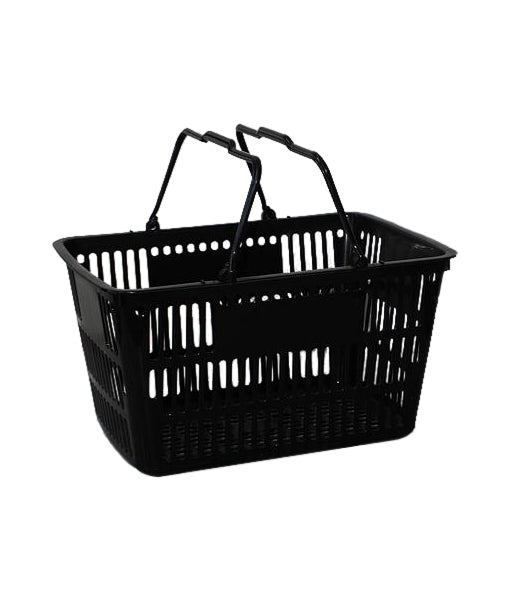
View full detailsMake shopping a breeze for your customers with our 28 Litre Shopping Baskets featuring Plastic Handles. These lightweight and sturdy baskets are de...
View full details{"one"=>"Select 2 or 3 items to compare", "other"=>"{{ count }} of 3 items selected"}