SERVING WA
Since 2009

Liquor-store gondola shelving is a freestanding retail display system used to organise bottles, cans and packaged drinks so customers can find stock and staff can replenish it. This 2026 guide explains how to choose gondola shelving for liquor stores around bottle weight, shelf spacing, floor space and visibility—not just the number of shelves you can fit.
A liquor store combines tall bottles, compact cans, bulky cartons and products customers compare by label. Your shelving must accommodate those differences without turning every replenishment task into a shelf adjustment. A layout that displays individual bottles neatly is not automatically suitable for stacked cartons.
Choose the stock arrangement before choosing the fixture. That order keeps your floor plan tied to the products you actually sell rather than a catalogue photograph. The gondola shelving guide for convenience stores provides a useful comparison for compact retail layouts, but liquor-store planning also needs particular attention to bottle weight and glass handling.
For a Perth bottle shop reviewing its layout in 2026, start with the existing premises: doors, columns, counter position and the route from stockroom to shelf. For an Australia-wide online purchase, record those same details before comparing fixtures remotely. A product image cannot tell you whether a loaded shelf leaves enough space for customers and staff to pass.
Work through the following sequence with a tape measure, a floor sketch and your stock list. Resolve the physical requirements first, then ask suppliers to match equipment to the brief.
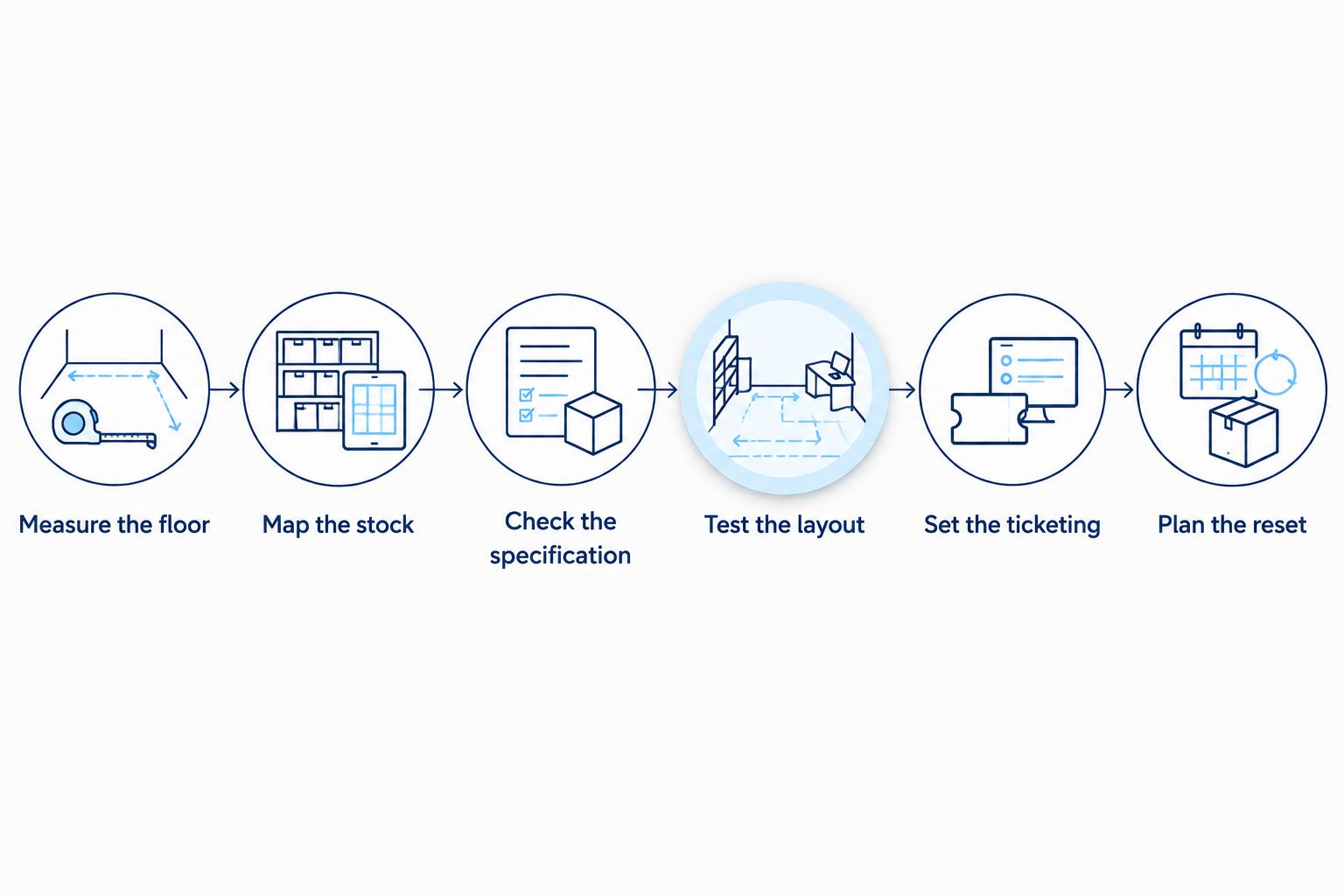
Start with a hand-drawn plan of the usable sales area. Mark fixed obstacles and door movement, then measure the space that remains for displays. Include the route used to bring stock onto the floor; a replenishment trolley needs space even when customers are browsing.
Measure the complete proposed fixture, not just its shelf surface. Base projections, upright posts and end displays all affect the finished footprint. Keep the access requirements for your particular premises separate from supplier dimensions: a shelf measurement does not establish that your aisle arrangement meets applicable requirements.
For a narrow suburban bottle shop, compare the centre run against perimeter shelving before filling the middle of the room. Adding display faces is not an improvement if customers cannot comfortably browse them.
Build a simple spreadsheet listing product category, package dimensions, loaded weight and preferred display position. Measure the actual packaging, including gift boxes and multipacks. A bottle that fits below a shelf still needs enough clearance for a customer to lift it out safely.
Group products by how they need to be handled, not only by brand. Individual wine bottles, spirit gift packs and beer cartons present different space and handling demands. Plan shelf positions around those groups, then decide how much frontage each category needs.
Allocate space from your own sales and replenishment records. More facings are useful when they support demand; they are wasted space when they simply repeat slow-moving stock. Where records are limited, document the initial arrangement and adjust it after observing actual use.
Use your stock map to prepare a written supplier brief. Ask for the load rating of the exact shelf, the conditions attached to that rating and the requirements for the complete installed configuration. The words heavy duty do not replace a documented capacity.
Cheap Shelving lists Budget Shelving options with 300mm and 450mm base shelves. Those dimensions give you concrete configurations to investigate, but they do not establish the overall fixture footprint, upper-shelf dimensions or suitability for your bottles. Confirm each detail for your 2026 fitout before ordering.
Cheap Shelving is best for WA retailers sourcing commercial shelving and retail display equipment. For a liquor-store application, the next move is a specification check rather than an assumption that every retail shelf suits every drinks display.
The listed Budget Shelving Additional Shelves carry 45kg U.D.L., meaning uniformly distributed load. That rating belongs to that named component; do not transfer it to another shelf, an entire bay or a concentrated stack of bottles.
Mark the proposed gondola footprint on the floor with removable tape before purchasing. Walk the route from entrance to counter and from stockroom to display. Repeat the exercise while another person stands where a customer would browse.
Use sample packaging to test shelf spacing and label visibility. Keep heavy stock in positions that support safe handling, within the equipment's documented limits. Do not treat a taller fixture as an automatic improvement: the extra display area must still work for customer reach, staff handling and sightlines.
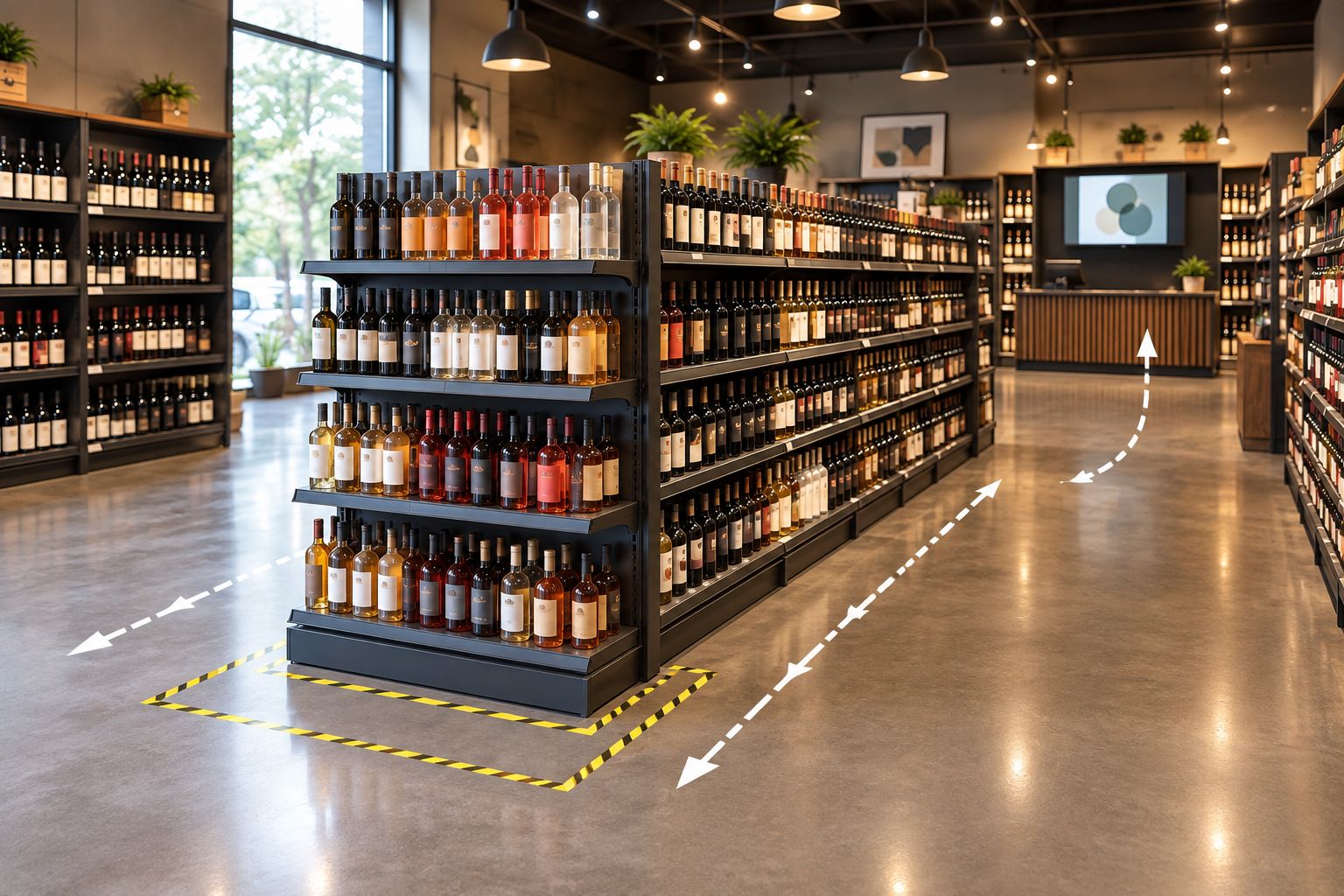
Test end displays separately from the main run. A promotional stack can project into a route that looked clear on the original plan. Include the actual stock outline, not just the empty fixture.
Plan shelf-edge labels alongside the merchandise layout. Customers need to match the ticket to the correct bottle, pack size and variant without tracing a confusing row of labels. Staff also need a consistent system when moving stock between shelves.
Measure the shelf edge before choosing holders. The listed dimensions of a ticketing product do not prove it will attach correctly to your shelving profile. For example, check the fit and label requirements of Data Strip 50x26mm Pack of 50 against the actual shelf edge rather than ordering from the name alone.
Shelf fronts and extra shelves deserve the same scrutiny. Budget Shelving Wire Shelf Front is designed to help stop products falling from the front; it does not establish the shelf's load capacity. Budget Shelving Additional Shelves add display levels, but each added level still needs suitable clearance and must remain within the complete fixture's limits.


Write down the shelf arrangement before installation so staff can reproduce it. Include category positions, shelf settings, ticket locations and the stock quantity intended for each level. Keep supplier instructions with that record.
For your 2026 fitout, compare complete component lists rather than isolated shelf descriptions. Brackets, end components, ticketing and any required fixing work belong in the same purchasing decision. An incomplete configuration creates extra work even when the individual parts appear suitable.
Give Cheap Shelving the floor measurements and stock requirements when discussing commercial shelving. Ask for written confirmation of the proposed configuration and its limitations. Keep carton storage, chilled products and any controlled-access stock outside the gondola brief unless the proposed equipment is expressly suitable.
Choose each fixture for its job, not for a uniform appearance across the store. A centre gondola, a perimeter run and an end display solve different layout problems. Their usefulness depends on the actual configuration and the stock placed on them.
| Option | Best for | Practical advantage | Key limitation |
|---|---|---|---|
| Double-sided centre gondola | Browsable merchandise runs away from walls | Presents stock on both sides of a central run | Requires circulation space on both sides; verify total footprint and loading |
| Single-sided perimeter shelving | Merchandise along the shop boundary | Keeps the centre available for circulation or other displays | Wall position alone does not establish stability; follow installation instructions |
| Gondola end display | A clearly defined promotional range | Gives the end of a run a separate merchandising purpose | Can obstruct routes or sightlines when its full footprint is overlooked |
| Retain and reconfigure existing shelving | Stores with suitable, documented equipment | Reuses fixtures already in the premises | Depends on condition, known ratings and compatible components |
Reconfiguration deserves a fair assessment before replacement. If existing equipment has clear specifications and remains suitable, changing the merchandise arrangement can address a layout problem without replacing the whole run. If ratings or component compatibility are unknown, establish those facts before adding stock or shelves.
A component rating does not describe every possible assembly. Check both the individual shelf and the complete configuration, particularly when adding levels or displaying dense groups of bottles.
A standard bottle layout can fail when boxed spirits or seasonal packs arrive. Include the packaging you intend to display, then allow working clearance for removal and replenishment.
Cartons change loading and handling requirements. Allocate them deliberately rather than stacking them into spare space on a bottle display with no specification check.
End displays, floor stacks and baskets can change the usable route through the shop. Include them in the layout assessment instead of treating them as additions that consume no space.
Similar-looking brackets, fronts and label holders are not proof of compatibility. Check the actual system and fitting details before combining parts, especially when extending an older fitout.
What's the best gondola shelving for a small liquor store?
The best gondola shelving for a small liquor store fits its stock, documented load requirements and usable floor area. Compare a centre run with perimeter shelving before deciding how much of the middle of the shop to occupy.
Can gondola shelving hold wine and spirit bottles?
Gondola shelving is suitable for wine and spirit bottles only when the exact configuration meets the loading and installation requirements. Check shelf ratings, complete-bay limits, bottle clearance and any required stabilisation before loading.
Should I choose a 300mm or 450mm base shelf?
Choose between 300mm and 450mm base-shelf options using your packaging measurements and floor plan. Confirm the overall fixture footprint and upper-shelf dimensions separately; the base-shelf dimension does not describe the complete unit.
Is double-sided shelving better than wall shelving for a bottle shop?
Double-sided shelving suits central merchandise runs, while perimeter shelving suits displays along the shop boundary. Neither is automatically better: compare the stock displayed with the circulation space each arrangement requires.
What does 45kg U.D.L. mean on an additional shelf?
45kg U.D.L. means a uniformly distributed load of 45kg for the specified shelf. The stated rating for Budget Shelving Additional Shelves must not be applied to other components or interpreted as approval for concentrated loading.
What should I send a shelving supplier before ordering?
Send a measured floor plan, packaging dimensions, intended shelf loads and the proposed merchandise arrangement. Include photographs of existing equipment if you need compatible additions, and request written confirmation of the configuration.
Does Cheap Shelving supply equipment for WA retailers?
Cheap Shelving supplies commercial shelving, retail displays, trolleys and shop fittings to businesses and retailers in Perth, Western Australia. Confirm the exact shelving specification for your liquor-store application before purchasing.
Test the removal of a bottle, not just whether it fits. Packaging can stand neatly beneath a shelf yet be awkward to lift out when neighbouring products are in place. That simple check belongs in your 2026 buying decision before you commit to an entire run.
Cheap Shelving's commercial shelving range is a starting point for a measured brief, not a substitute for one. Take the floor plan, representative packaging and required load information into the selection process; keep the arrangement that works when stocked, browsed and replenished.
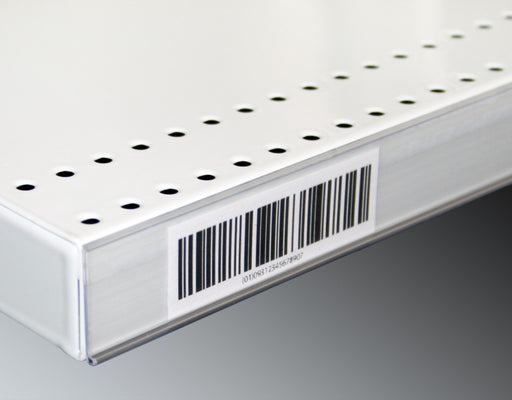
Upgrade your store's pricing and product labeling system with our Flat Adhesive Data Stripping. This cost-effective solution is designed to simplif...
View full details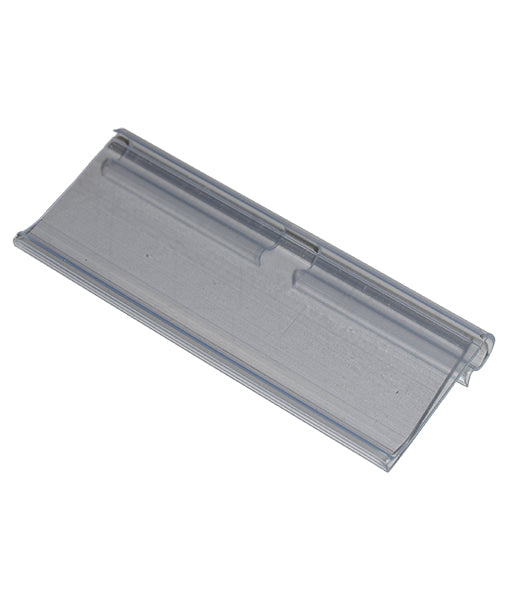
Enhance your store's product labeling and pricing system with our 100-Pack Flipper Tags. These versatile and easy-to-use tags are designed to strea...
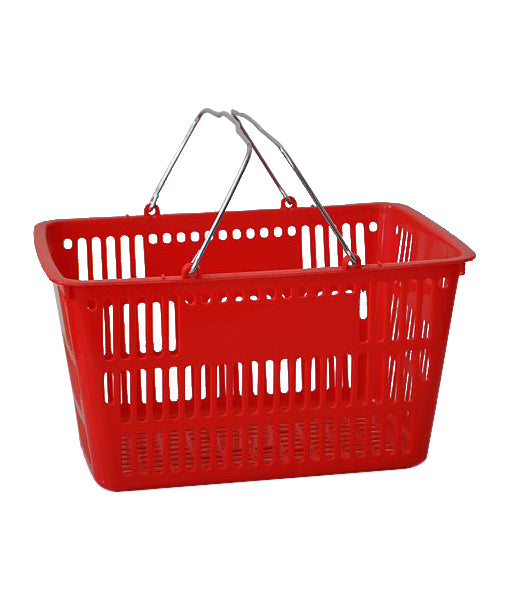
View full detailsUpgrade your customers' shopping experience with our 28 litre Shopping Baskets featuring Metal Handles. These robust and stylish baskets are design...
View full detailsRevolutionize your customers' shopping experience with our Roller Shopping Baskets. These innovative baskets are designed for maximum convenience, ...
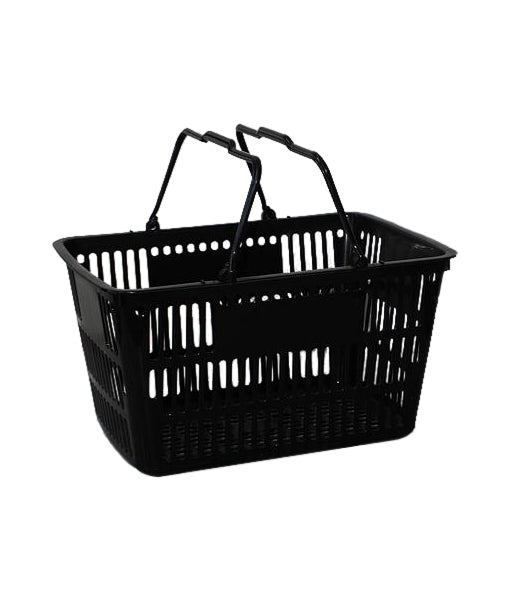
View full detailsMake shopping a breeze for your customers with our 28 Litre Shopping Baskets featuring Plastic Handles. These lightweight and sturdy baskets are de...
View full details{"one"=>"Select 2 or 3 items to compare", "other"=>"{{ count }} of 3 items selected"}