SERVING WA
Since 2009

Franchise retail shop fitting is the selection and arrangement of shop fittings for franchise stores with the aim of creating consistent, practical selling spaces across a network. Unlike an independent shop, each franchise needs to balance brand standards with its own floor dimensions, stock mix and operating constraints; this 2026 guide explains how to make those decisions before ordering.
Standardise the fixture specification, not an identical floor plan. A narrow tenancy and a wider tenancy need different arrangements, even when both stores carry the same core range. Copying a layout without checking the site puts appearance ahead of workable customer routes and replenishment access.
Franchise operators also have two decision-makers to satisfy: the business responsible for brand consistency and the franchisee responsible for daily trading. Your fitting brief should make that distinction explicit. Identify which features need central approval and which choices the local operator can make.
Cheapshelving supplies commercial shelving, retail displays, trolleys and shop fittings to Perth businesses and retailers. Servicing WA businesses since 2009, the business is a relevant sourcing option once your requirements are documented—not a substitute for measuring the premises or obtaining franchise approval.
For a 2026 opening or refurbishment, define the outcome before choosing fixtures: visible stock, usable floor space, clear ticketing and practical replenishment. A matching finish alone does not establish whether a fitting works.
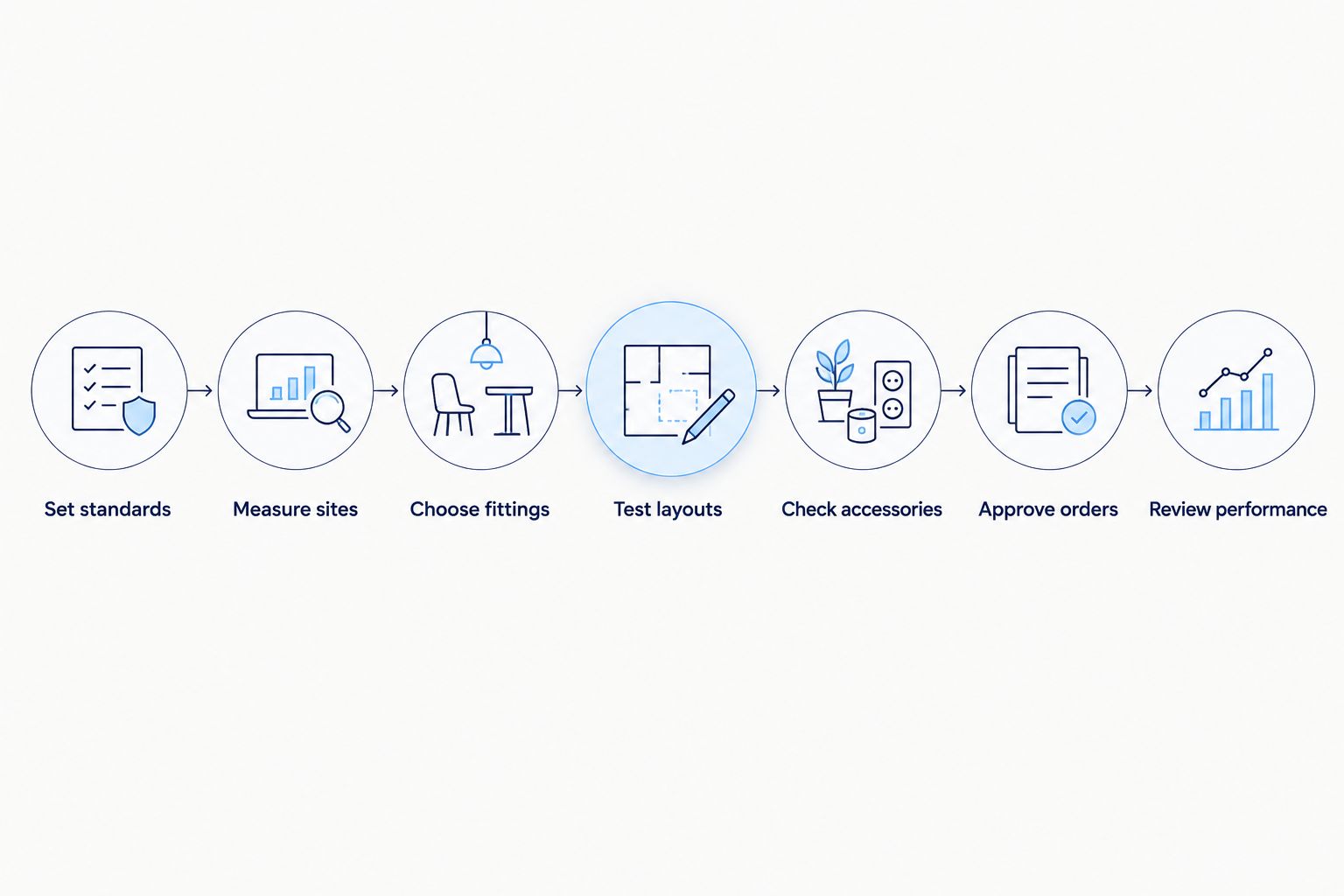
Work through these seven steps in order: Set standards, Measure sites, Choose fittings, Test layouts, Check accessories, Approve orders and Review performance. A spreadsheet, tape measure, annotated floor plan and photographs are enough to start; purchasing comes after the requirements are clear.
Start manually with an approved store photograph, your merchandise list and a blank spreadsheet. Separate what must look consistent from what must function consistently. The same shelf-edge presentation can appear across a network without forcing every shop to use the same number of bays.
Create 3 working documents: a brand standard, a site checklist and a fixture schedule. These are planning tools, not technical certifications. Give each document an owner so a franchisee knows who can approve a change.
For your 2026 specification, distinguish mandatory requirements from preferences. Otherwise, a preferred display arrangement can become an unnecessary purchasing restriction, while a genuinely essential compatibility check gets overlooked. Record the reason for each requirement so later substitutions are assessed against function rather than appearance alone.
Use a tape measure and a marked-up floor plan before relying on a tenancy drawing. Record dimensions in millimetres so fixture measurements and site measurements use the same unit. Include columns, door swings, changes in floor level and anything that interrupts an otherwise usable wall.
Measure the operating space, not just the empty room. A fixture footprint does not show the space needed to browse, open a cabinet or move replenishment equipment. Document those activities separately, then have the proposed arrangement checked against applicable access, building and safety requirements.
For Perth and regional WA sites, record receiving access and storage arrangements in the same checklist. These details belong in your supplier enquiry and installation planning; do not assume a repeated store format means repeated site conditions.
Build a function-based shortlist before comparing individual products. Decide whether stock needs shelves, hanging presentation, enclosed display or bulk presentation. Then match the fitting to the merchandise dimensions, intended loading and available floor space.
Your manual route is a fixture schedule with one row per required function. Once that schedule is complete, use Cheapshelving's commercial shelving and shop fittings range to narrow the sourcing search. Send the same requirements with each enquiry so comparisons address equivalent needs rather than unrelated product descriptions.
Choose on documented suitability, not visual similarity. Shelves, brackets and accessories that look alike are not proof of compatibility. Check the relevant product information and obtain clarification before approving a component for repeated use throughout the franchise network.
Mark the proposed fixture footprints on the floor before committing to a full layout. Use removable tape, cartons or existing fittings to represent the space, then walk through the customer journey and the replenishment route. Include a basket or trolley where that reflects how the store operates.
Start with 1 representative bay, stocked with the products it is intended to display. This is a practical pilot scope, not a recommended bay size. It lets you check product fit, shelf visibility, ticket placement and staff access together rather than discovering conflicts after a larger order.
Have a franchise representative and the local operator review the same trial. Ask each to sign off on their area of responsibility. A visually approved display still needs an operational check before it becomes the network reference.
Treat shelf labels, holders, dividers and basket storage as part of the fitting decision, not a separate finishing exercise. A shelf can suit the merchandise but still be awkward if its ticketing arrangement does not suit the shelf edge or store process.
Begin with a physical sample check wherever practical. The Data Strip 50x26mm Pack of 50 is one named option to assess against your shelf-edge and ticket requirements; its listing is not evidence that it fits every shelving system. Keep the approved accessory reference with the fixture it belongs to.
Use the same approach for replacement components. Staff should be able to identify what to reorder without relying on memory or a photograph alone. A clear reference prevents a small accessory substitution from becoming an inconsistent presentation standard.
Split approval into 2 stages: technical suitability and purchasing authorisation. First confirm that the proposed items meet the site brief. Then confirm quantities, responsibilities and the commercial terms with the people authorised to commit the business.
Ask for an itemised schedule rather than treating a package description as a complete specification. Identify main fixtures, additional components and accessories separately. This makes omissions easier to spot and gives franchisees a clearer record for later replacement enquiries.
For a 2026 rollout, attach the approved drawing revision to each store order. Do not allow an older plan to remain the purchasing reference after the layout changes. Record any substitutions against the same document so the installed result can be traced back to an approval.
Use a simple store review sheet after installation. Compare the installed fittings with the approved schedule, then observe the tasks the layout was designed to support. Photographs help record presentation, but staff feedback is necessary to understand replenishment and day-to-day access.
Keep observations specific. Record a blocked route, an unreadable ticket or a product that does not fit its assigned space rather than labelling the whole store inefficient. Compare like-for-like conditions when assessing changes; a promotion or range change makes an unsupported sales comparison misleading.
Feed approved corrections into your 2026 fixture standard before the next site orders. The purpose of a pilot is to improve the repeatable specification, not simply to confirm that the first installation looks finished.
Choose the least complicated option that meets the approved brief. Reusing suitable fixtures avoids unnecessary replacement, while standard commercial fittings provide a defined product specification to assess. Custom work belongs where a documented requirement cannot be met by the other approaches.
These are procurement routes, not interchangeable promises. Each still needs site measurement, compatibility checks and franchise approval.
| Option | Best for | Practical advantage | Key limitation |
|---|---|---|---|
| Reuse existing approved fittings | Refurbishments with serviceable fixtures | Retains suitable equipment already in the store | Condition, missing parts and compatibility need checking |
| Standard commercial fittings from Cheapshelving | Perth operators sourcing shelving and retail display equipment | Provides a commercial supply option for the fixture shortlist | Each selection still needs site-fit and franchise-approval checks |
| Custom-manufactured fittings | A documented requirement that standard options cannot meet | Allows the brief to specify a particular arrangement | Requires detailed design approval and a replacement-component plan |
| Mixed standard and custom fittings | Stores with repeatable displays and specific exceptions | Separates common requirements from site-specific work | Interfaces between different components need explicit checking |
Assess the whole usable arrangement rather than an isolated fixture. A shelf, its supporting components and its required accessories belong in the same comparison. Keep specialist design or installation responsibilities separate unless they are expressly included in the agreement.
A flagship plan is a reference, not proof that another site can accommodate it. Retain the approved merchandise and presentation principles, then redraw the arrangement around measured constraints. Escalate exceptions before ordering.
A replacement chosen for one store should not silently become the network default. Record why it was selected, what it must work with and who approved it. Otherwise, later orders lack a reliable reference.
A full display can look tidy while being awkward to refill. Ask staff to replenish the trial fixture using the intended process. Change the layout or stock allocation before repeating the problem across stores.
Similar colour and appearance do not establish component compatibility or loading suitability. Retain product references and supporting information. Do not mix structural components on appearance alone.
A franchisee should not need the original project contact to identify a shelf bracket or label holder. Keep the final fixture schedule, approved substitutions and relevant documents in a shared store record. Update it when fittings change.
What's the best way to choose shop fittings for franchise stores?
Start with an approved fixture standard and a measured site plan, then test the proposed fittings with actual merchandise. Choose against documented requirements rather than copying another store's layout.
Should every franchise store have identical shelving?
Franchise stores need consistent approved specifications, not necessarily identical shelving layouts. Adapt quantities and placement to each tenancy while retaining the required presentation and operating standards.
Is Cheapshelving suitable for Perth franchise retailers?
Cheapshelving is a sourcing option for Perth franchise retailers seeking commercial shelving, retail displays, trolleys and shop fittings. Confirm each selected item's dimensions, compatibility and suitability against the franchise brief before ordering.
Can we reuse shop fittings during a franchise refurbishment?
Reuse fittings that pass condition, suitability and franchise-approval checks. Identify the components and confirm compatibility before adding shelves, accessories or replacement parts.
How do we compare standard shop fittings with custom fixtures?
Compare both against the same functional brief, including merchandise fit, site dimensions and replacement needs. Choose custom work for a documented requirement rather than assuming a different appearance makes it necessary.
What should a franchise shop fitting order include?
A franchise shop fitting order should identify the approved drawing, item references, quantities, components, accessories and responsibilities. Record substitutions and confirm the current written terms before authorising the purchase.
Do shelf-label holders fit every shelving system?
Do not assume a shelf-label holder fits every shelving system. Check the attachment, shelf-edge profile and ticket dimensions against the actual fixture before approving it across multiple stores.
Plan the replacement order before approving the opening order. Ask whether a future store operator could identify each component from the records alone. If not, add the missing references now; a repeatable fitting standard needs a repeatable way to maintain it.
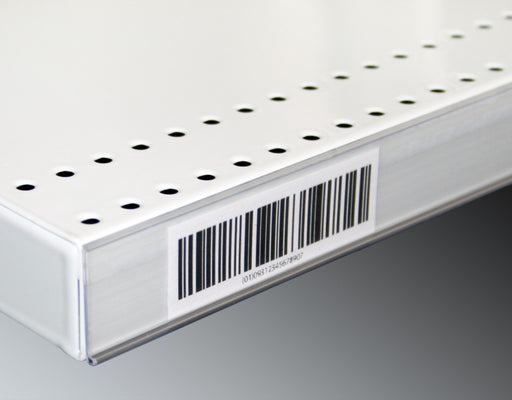
Upgrade your store's pricing and product labeling system with our Flat Adhesive Data Stripping. This cost-effective solution is designed to simplif...
View full details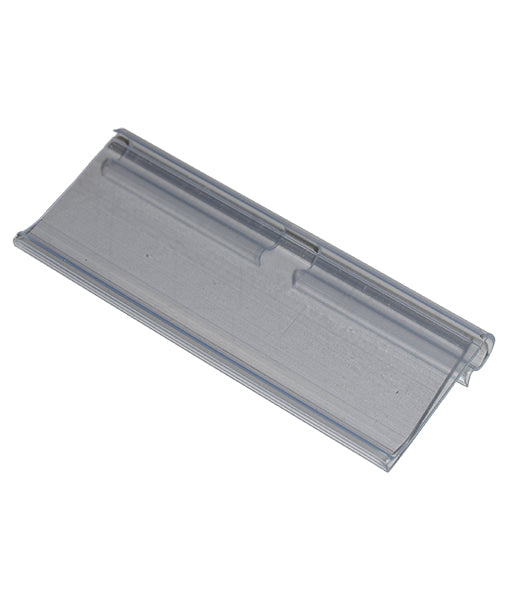
Enhance your store's product labeling and pricing system with our 100-Pack Flipper Tags. These versatile and easy-to-use tags are designed to strea...
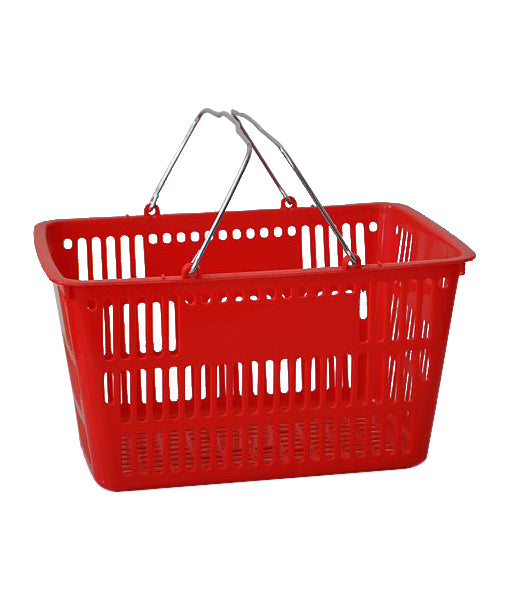
View full detailsUpgrade your customers' shopping experience with our 28 litre Shopping Baskets featuring Metal Handles. These robust and stylish baskets are design...
View full detailsRevolutionize your customers' shopping experience with our Roller Shopping Baskets. These innovative baskets are designed for maximum convenience, ...
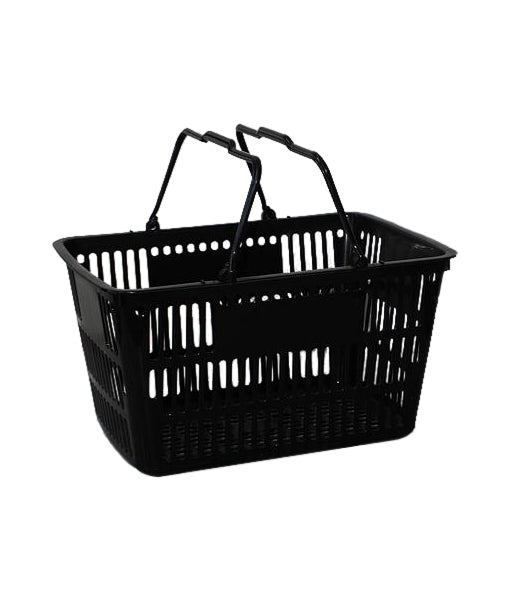
View full detailsMake shopping a breeze for your customers with our 28 Litre Shopping Baskets featuring Plastic Handles. These lightweight and sturdy baskets are de...
View full details{"one"=>"Select 2 or 3 items to compare", "other"=>"{{ count }} of 3 items selected"}