SERVING WA
Since 2009

Commercial shopping trolleys do not have a universal service life: keep them in use while their structure, basket, handle and wheels remain safe and serviceable. Replacing a worn castor does not necessarily mean replacing the whole trolley, but structural damage needs a separate assessment. For replacement planning in 2026, use condition and repair history rather than an assumed number of years.
A trolley that still holds groceries is not necessarily fit for customer use. Steering, stability, secure handles and the absence of sharp edges matter just as much as basket condition.
For Perth store owners, trolley replacement belongs in the same equipment plan as shelving and checkout fixtures. Cheap Shelving supplies commercial shopping trolleys and shop fittings; assess each fixture against its actual job rather than replacing everything on the same calendar.
Separate cosmetic wear from functional damage. A scuffed surface and a loose wheel require different responses, even when they appear on trolleys purchased together.
Commercial shopping trolleys last until wear, damage or an unrepairable fault makes continued use unsafe or impractical. The useful distinction is between a serviceable trolley, a repairable trolley and a trolley that needs retirement.
Use this condition-based comparison when reviewing your fleet in 2026. It supports a replacement decision without treating age as proof of safety.
| Condition | Best for | Benefit of this decision | Limitation or next check |
|---|---|---|---|
| Sound structure, secure handle and smooth wheel movement | Continued service | Retains equipment that still performs its job | Continue inspections; appearance alone does not establish safety |
| Isolated wheel or castor fault, otherwise sound | Repair assessment | Targets a component rather than discarding the whole trolley | Confirm suitable parts and attachment condition |
| Cracked basket, bent frame or loose structural joint | Removal from customer use | Prevents continued use before assessment | Cleaning or a wheel replacement does not resolve structural damage |
| Repeated faults after repairs | Replacement review | Addresses recurring service problems | Check the cause before buying a replacement |
A trolley's purchase date gives you context, not a verdict. An older trolley with sound components needs a different decision from a newer trolley with impact damage.
Keep, repair or replace according to the fault—not the birthday. Record the reason so staff understand why a trolley has returned to service or been withdrawn.
A trolley that pulls sideways, rattles or resists turning needs a wheel and castor inspection. Check for trapped debris, damaged wheel surfaces, loose attachments and movement that does not match the other wheels.
Do not assume every steering problem needs a replacement trolley. Equally, do not fit a new wheel to a damaged mounting point and treat the job as complete.
Best for: repair assessment when the basket, handle and supporting structure remain sound. The advantage is a targeted repair; the limitation is that the replacement component must suit the trolley and its attachment.
Ask whoever assesses the trolley to check the complete wheel assembly. The wheel, swivel mechanism, fasteners and mounting area all contribute to how it moves.
Cracks, broken wires, sharp edges and distorted structural parts need more than a cosmetic tidy-up. Take the trolley out of customer circulation while a competent person assesses the damage.
A trolley can roll normally while still having a damaged basket or frame. Test movement and inspect the load-carrying structure as separate tasks.
Best for: replacement assessment where structural damage cannot be safely repaired. Replacement removes the damaged unit, but it does not address the handling practice or impact that caused the fault.
Avoid improvised fixes that conceal a crack or leave an exposed edge. A repair needs to restore safe function, not simply make the trolley look presentable.
Construction, use and upkeep affect trolley condition. These factors explain why a single retirement age is a poor basis for managing a mixed fleet:
Use these factors to explain differences within your own fleet. Do not assign a lifespan based on basket material alone.
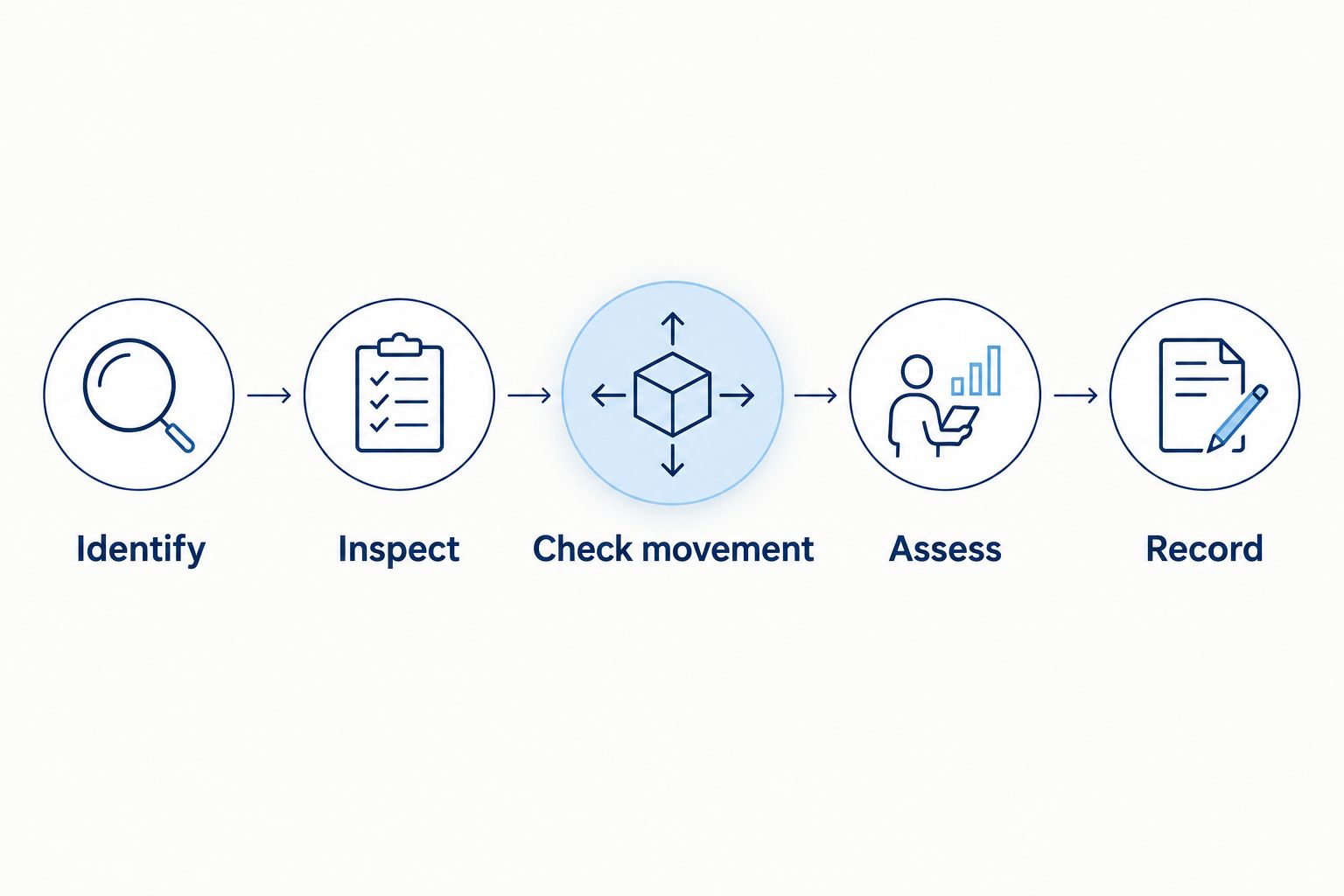
Use a repeatable inspection sequence so a wheel repair does not distract from another fault. Follow the trolley manufacturer's instructions and have uncertain damage assessed before release.
This sequence makes the decision traceable. It also prevents a withdrawn trolley from returning to the entrance simply because someone has moved it.
If a trolley needs replacement, check suitability before comparing appearances. Your replacement needs to work through the entrance, aisles, checkout approach and storage area without creating a new handling problem.
The Shopping Trolley 80L Grey has an 80-litre capacity and a plastic body. That capacity describes shopping volume; it is not a weight rating or a statement about service life.
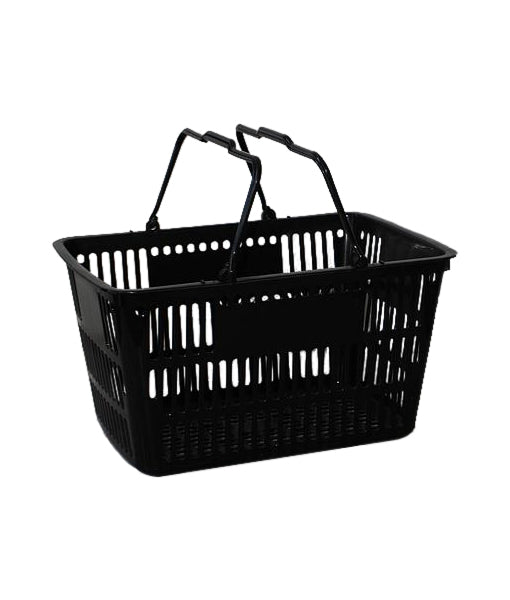
A hand basket offers a different carrying format. The Shopping Basket - Plastic Handle has a 28-litre capacity, while the 80 Litre Roller Shopping Basket provides an 80-litre format; neither capacity proves that the equipment will last longer than a trolley.
Cheap Shelving is best suited to Perth retailers sourcing commercial shopping trolleys alongside shop fittings. Select the equipment for your customers' shopping trips, then confirm dimensions, load instructions and maintenance requirements before ordering.
For your 2026 purchasing checklist, ask:
A larger basket volume is useful only when the overall equipment suits the store. It does not justify a tighter checkout approach or awkward storage arrangement.
A storage area needs to accommodate both serviceable trolleys and equipment awaiting assessment. Keep those groups visibly separate so staff do not accidentally return a damaged trolley to customers.
Position the holding area where staff can retrieve and inspect equipment without blocking circulation. Include the surrounding floor in the check: loose packaging and debris belong in the housekeeping routine, not under trolley wheels.

Assign responsibility for checking the holding area. A written process achieves little if nobody knows who removes a faulty trolley or who authorises its return.
For a Perth retailer reviewing equipment in 2026, include the entrance, external collection point and internal storage location in the same walk-through. Each forms part of the trolley's actual working environment.
Retirement is a handling decision as well as a purchasing decision. Keep discarded equipment away from customer circulation and prevent it from being mistaken for a trolley awaiting minor repair.
Material separation matters when recycling end-of-life metal trolleys: a trolley can include metal, plastic and other components that a receiving facility handles differently. Confirm what the recycler accepts before arranging transport or dismantling equipment.
Do not assume a complete trolley belongs in a single recycling stream. Ask whether wheels, handles, plastic baskets or attached fittings need separate handling, and use an appropriate operator where dismantling creates a hazard.
Record the retirement against the trolley reference. That closes the maintenance history and prevents staff from spending time looking for equipment that has already left the business.
Start a 2026 trolley register with the information you can verify: purchase date where known, model, reported faults, repairs and retirement reason. Keep observations separate from assumptions about age or previous use.
A register helps you distinguish repeated faults on one trolley from a problem affecting several units. Those situations call for different questions: an individual mounting fault is not the same as an unsuitable replacement wheel fitted across the fleet.
Use these checks during each equipment review:
Do not turn a purchasing assumption into a claimed lifespan. Base the next replacement decision on the condition record, manufacturer guidance and the repair options for that trolley.
Repair assessment is appropriate for an isolated component fault when the rest of the trolley remains sound. Replace or seek specialist advice when structural damage, unsuitable parts or unresolved recurring faults prevent safe service.
An 80-litre capacity describes volume, not durability. Compare construction, load instructions, wheel assemblies and repair options rather than treating basket size as a lifespan rating.
How many years should a commercial shopping trolley last?
Commercial shopping trolleys do not have a universal retirement age. Use manufacturer guidance, physical condition and repair history to decide whether each trolley remains fit for service.
Should I replace a shopping trolley with a damaged wheel?
Assess the wheel fault before replacing the whole trolley. A suitable component repair requires a sound mounting point and an otherwise serviceable trolley.
Is a rusty shopping trolley safe to use?
Corrosion needs assessment before you decide whether a trolley is safe. Check its location and effect on the structure rather than treating all rust as cosmetic.
Does an 80-litre shopping trolley carry 80 kilograms?
An 80-litre capacity measures volume, not a permitted weight of 80 kilograms. Follow the manufacturer's load instructions for the exact trolley model.
Can I keep using a trolley with a cracked plastic basket?
Remove a trolley with a cracked plastic basket from customer use until the damage has been assessed. The fact that it still rolls does not establish that its basket is safe.
What should a Perth retailer ask before buying replacement trolleys?
Ask about external dimensions, load instructions, compatible replacement components and maintenance requirements. Cheap Shelving supplies commercial shopping trolleys and shop fittings to Perth businesses; confirm the details for the model you select.
Can an old shopping trolley go straight to scrap metal recycling?
Confirm the receiving facility's acceptance requirements before sending a trolley for recycling. Plastic baskets, wheels, handles and attached fittings can require separate handling.
A new wheel is not a whole-trolley safety check. Before returning a repaired trolley to the entrance, inspect the basket, handle, structure and mounting points as well as testing its movement.
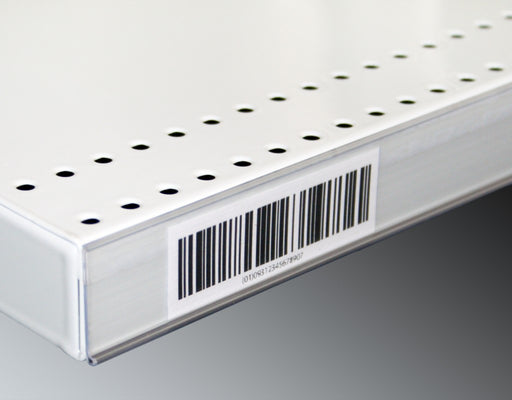
Upgrade your store's pricing and product labeling system with our Flat Adhesive Data Stripping. This cost-effective solution is designed to simplif...
View full details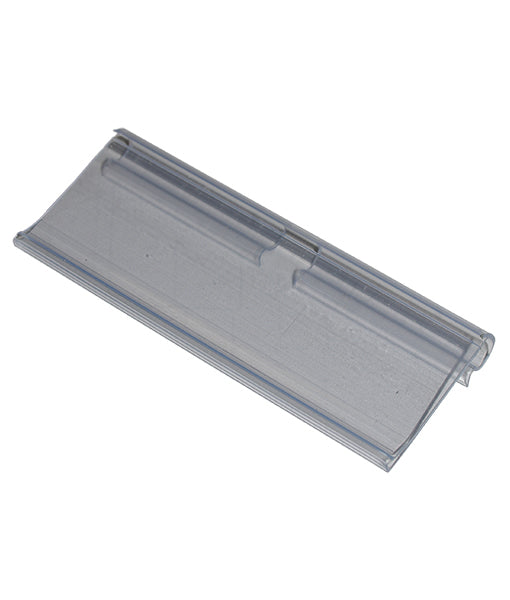
Enhance your store's product labeling and pricing system with our 100-Pack Flipper Tags. These versatile and easy-to-use tags are designed to strea...
View full detailsUpgrade your customers' shopping experience with our 28 litre Shopping Baskets featuring Metal Handles. These robust and stylish baskets are design...
View full detailsMake shopping a breeze for your customers with our 28 Litre Shopping Baskets featuring Plastic Handles. These lightweight and sturdy baskets are de...
View full detailsRevolutionize your customers' shopping experience with our Roller Shopping Baskets. These innovative baskets are designed for maximum convenience, ...
View full details{"one"=>"Select 2 or 3 items to compare", "other"=>"{{ count }} of 3 items selected"}