SERVING WA
Since 2009

Yes, compatible display hooks can be moved without damaging sound slatwall panels when you remove the merchandise, release the fitting correctly and lift it clear before repositioning it. Damage is a risk when you force an incompatible hook, drag its mounting plate through the groove or reload a damaged panel.
Moving hooks lets you change product spacing without replacing the whole display. The saving depends on preserving the grooves and keeping the fittings suitable for the stock, not simply finding another empty slot.
For your 2026 store reset, treat every hook move as a fitting and condition check. If you are planning a larger wall display, the slatwall panels for hardware and trade stores guide provides related planning context.
Reposition the fitting, not the load. Taking merchandise off first gives you clear access to the mounting plate and avoids handling a loaded arm while releasing it.
Yes, provided the hook is compatible, the panel is sound and you follow the fitting's removal instructions. A hook that fits into a groove is not automatically suitable for that panel or the intended merchandise.
Use this sequence for ordinary removable slatwall fittings. Locking fittings need their own release procedure; do not treat resistance as permission to pull harder.
These steps separate an ordinary merchandising adjustment from a repair. If the hook cannot disengage freely using the correct method, stop and identify the obstruction before continuing.
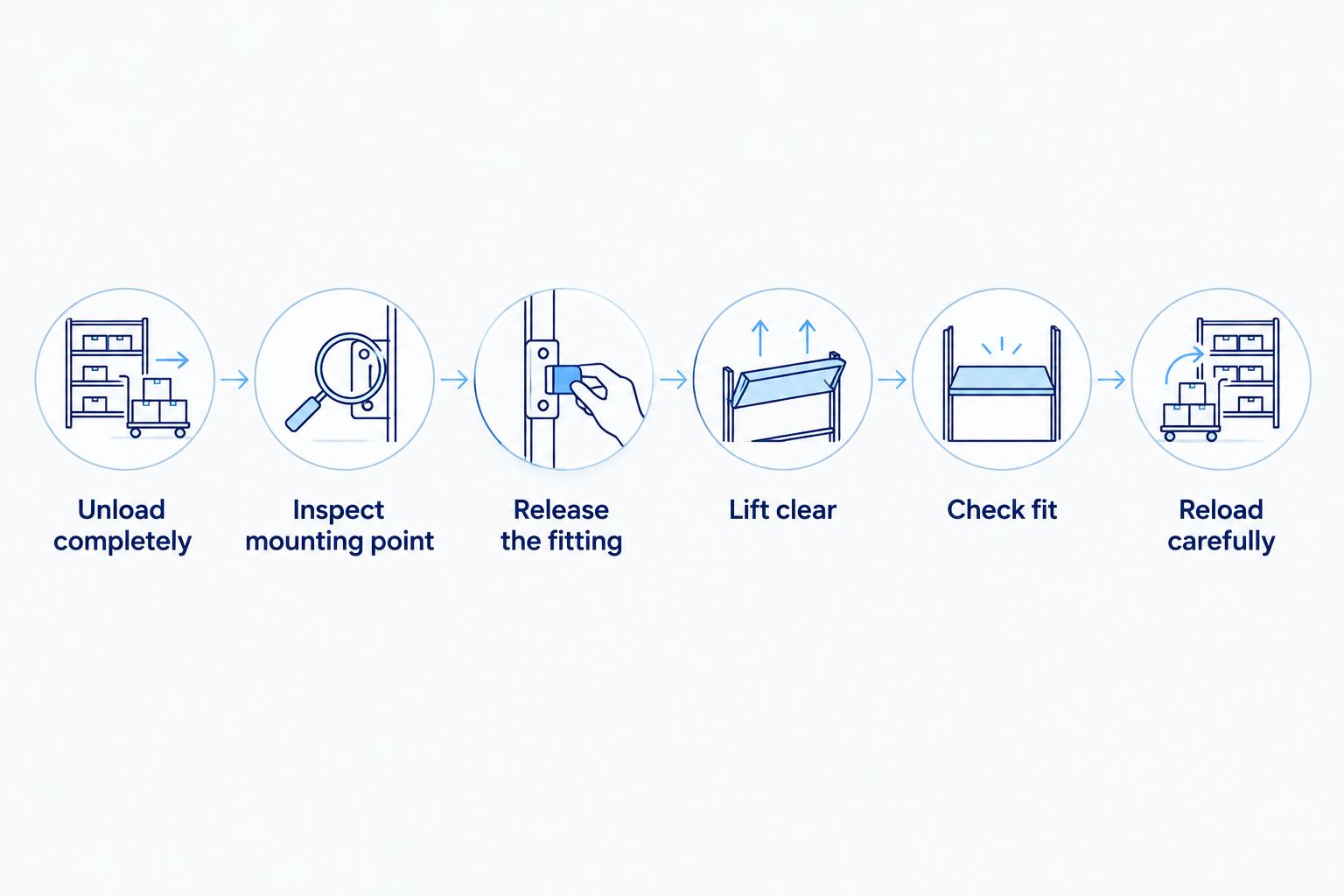
The mounting plate should sit in its intended position without improvised packing, bending or forced engagement. Check the hook from the front and side rather than judging it only by whether it stays on the wall.
A seated hook does not prove load capacity. You still need the applicable panel, fitting and installation limits before returning stock to the display.
The same removal technique does not make every panel and hook combination safe. For your 2026 merchandising checks, focus on these factors rather than assuming all slotted display walls work alike:
Do not solve a fit problem with force. Filing, bending or wedging a mounting plate changes the fitting rather than confirming that it belongs on your panel.
Choose the fitting around how the merchandise hangs or rests, then confirm compatibility. Single-prong hooks, straight arms and sloping arms serve different display arrangements; they are not interchangeable merely because each attaches to slatwall.
| Fitting type | Best for | Practical advantage | Limitation or buying check |
|---|---|---|---|
| Single-prong hook | Packaged merchandise with a suitable hanging opening | Keeps individual product lines on separate hooks | Check the package opening, mounting profile and verified load limit |
| Straight arm/shelf bracket | Straight-arm displays or shelf arrangements specified for that fitting | Provides a straight projection from the panel | Confirm whether the intended use requires a shelf or other supporting parts |
| Sloping arm | Hanging displays that need separated positions along an inclined arm | Offers defined positions along the display arm | Confirm hanger fit, product clearance and the required projection |
For a Perth hardware shop, start with the actual packaged item you intend to hang. For a homewares store, check whether adjacent products collide when customers lift them off the display.
Neither layout needs the longest fitting by default. Choose enough projection for the merchandise while keeping the display clear of neighbouring stock and the customer path.
Cheap Shelving lists straight arm/shelf bracket options with stated tube dimensions of 300mm x 20mm and 400mm x 20mm. Those dimensions help you compare projection; they do not establish a safe merchandise weight or confirm compatibility with an existing panel.
| Listed product | Stated dimensions | Best for | Limitation |
|---|---|---|---|
| Slatwall - Straight arm/shelf bracket 300mm | 300mm x 20mm tube | Displays whose measured layout calls for a shorter straight arm | Confirm mounting fit and intended use before ordering |
| Slatwall - Straight arm/shelf bracket 400mm | 400mm x 20mm tube | Displays whose measured layout calls for greater projection | Check customer clearance and loading requirements separately |
For a 2026 fixture order, record the panel profile beside the arm dimensions. Ordering by length alone leaves the most important connection unchecked.
Match the rear mounting plate before comparing the front arm. A photograph showing only the merchandise-facing side leaves out the connection you need to assess.
Give the supplier a clear photograph of the existing panel groove and the back of a known compatible fitting. Include the intended stock, its measured weight and the arm length you need; ask for confirmation rather than assuming a visual match.
Cheap Shelving's Slatwall 2400 x 1200 listing specifies 11 aluminium extrusions at 100mm centres. That describes the listed panel arrangement, not a universal standard for every slatwall already installed in Australian shops.
For a 2026 buying checklist, record:
For Australia-wide online orders, resolve compatibility before ordering a full display's worth of fittings. A useful supplier enquiry explains the connection and the merchandise, not just the number of hooks required.
Stop using the affected position when you see cracks, crumbling material, a loose insert or an edge that no longer retains the mounting plate properly. Also stop if the panel shifts as you handle the unloaded hook.
Do not conceal a damaged mounting point behind merchandise. Remove the fitting from service and have the panel or installation assessed before deciding whether repair or replacement is appropriate.
A surface scuff and a damaged groove are different problems. Inspect whether the mark affects only the finish or also the material supporting the fitting; do not rely on appearance from across the aisle.
Avoid filling or painting a damaged groove as a substitute for assessing its support. A tidier finish does not establish that the position can safely hold merchandise again.
Remove and reseat the hook unless its instructions expressly allow sideways adjustment while engaged. Sliding a mounting plate through a groove can catch an edge or drag against the finish.
Unloading alone does not make sideways dragging appropriate. Release the fitting and lift it clear, then inspect and use the new position according to the fitting instructions.
There is no universal move count that establishes when every slatwall panel needs replacement. Base reuse on the condition of the panel and fitting, compatibility and the relevant supplier instructions.
Include a condition check in your 2026 seasonal resets rather than treating repeated successful moves as proof that the next loaded arrangement is suitable. Photograph any suspect area before covering it with stock.
Moving a hook does not increase its load rating. The destination still needs a sound groove and suitable support, and the merchandise must remain within the verified limits of the installed combination.
Check the new arrangement independently if you change arm length, stock type or product position. An empty fitting that feels firm is not a substitute for load information.
Can I move slatwall hooks while products are still hanging on them?
Remove the products before moving slatwall hooks. Unloading gives you access to the mounting plate and avoids handling a loaded fitting during release.
Do I need tools to remove a slatwall display hook?
The fitting's retaining mechanism determines whether you need tools. Check for screws, locks or clips and follow the supplier's release instructions rather than pulling harder.
Are all slatwall hooks compatible with all panels?
No, compatibility depends on the mounting plate and panel groove. Confirm the match and applicable load limits before using a replacement hook.
Can I use a chipped slatwall groove for a lighter product?
Do not assume a chipped groove is suitable simply because the replacement product is lighter. Have damage affecting the mounting point assessed before reusing it.
Is a 400mm slatwall arm stronger than a 300mm arm?
A 400mm arm is not automatically stronger than a 300mm arm. Length describes projection; safe loading depends on the fitting specification and installed panel system.
What should I send a supplier when matching existing slatwall hooks?
Send clear photographs of the panel groove and the rear of an existing compatible hook. Include the required projection, intended merchandise and measured stock weight.
Does Cheap Shelving sell slatwall panels and fittings?
Cheap Shelving sells slatwall panels and display fittings for retail businesses. Confirm that the chosen panel and fitting suit each other and your intended merchandise before ordering.
Mark the intended product positions, not just the hook positions. A neatly spaced row of empty hooks can become an awkward display once wide packaging, hanging products and ticketing are added.
Before finishing the reset, hang the intended merchandise and check how you remove it from each position. Confirm that customers can lift an item free without catching neighbouring stock, and that staff can replenish the display without forcing fittings or packages into place.
Cheap Shelving suits Perth and WA retailers sourcing slatwall panels and display fittings. Bring the panel details and intended stock to the buying decision so the fitting choice starts with compatibility, not appearance.
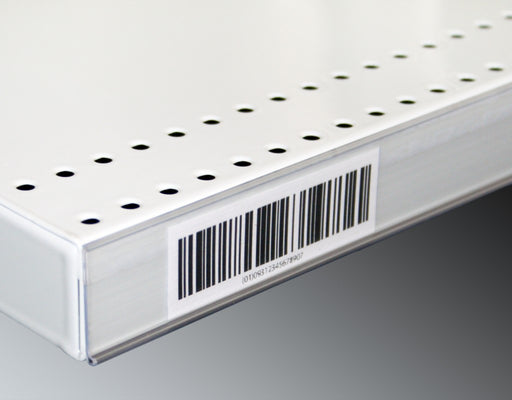
Upgrade your store's pricing and product labeling system with our Flat Adhesive Data Stripping. This cost-effective solution is designed to simplif...
View full details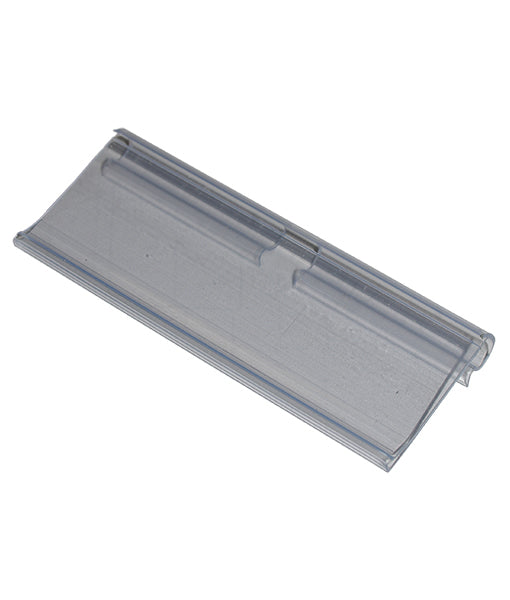
Enhance your store's product labeling and pricing system with our 100-Pack Flipper Tags. These versatile and easy-to-use tags are designed to strea...
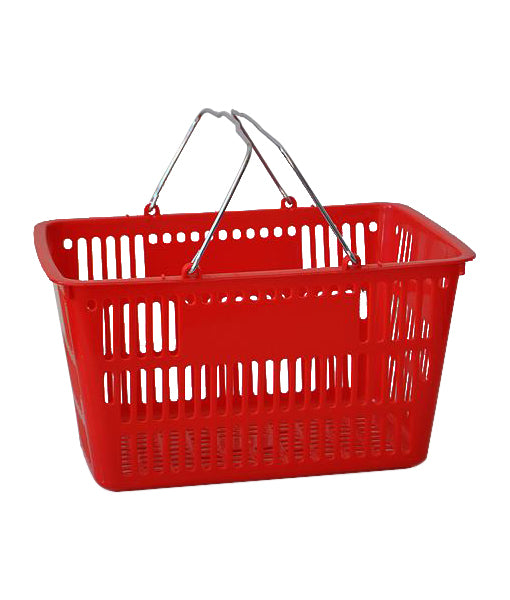
View full detailsUpgrade your customers' shopping experience with our 28 litre Shopping Baskets featuring Metal Handles. These robust and stylish baskets are design...
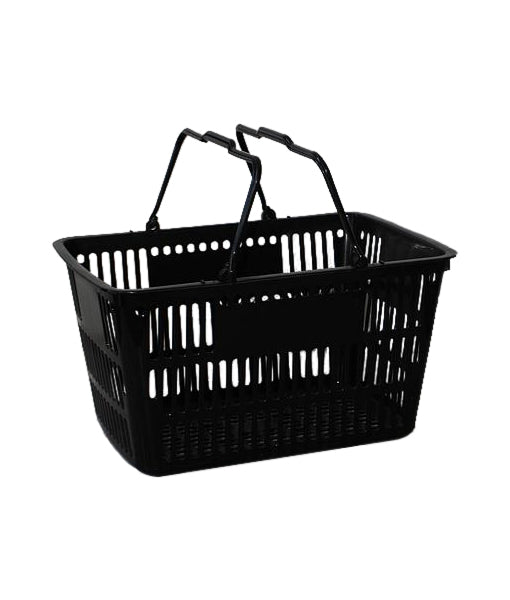
View full detailsMake shopping a breeze for your customers with our 28 Litre Shopping Baskets featuring Plastic Handles. These lightweight and sturdy baskets are de...
View full detailsRevolutionize your customers' shopping experience with our Roller Shopping Baskets. These innovative baskets are designed for maximum convenience, ...
View full details{"one"=>"Select 2 or 3 items to compare", "other"=>"{{ count }} of 3 items selected"}