SERVING WA
Since 2009

Commercial-investigation content accounts for 60.6% of the 66 URLs in this shop fitting keyword search intent breakdown; intent-category shares range from 1.5% to 60.6%. This 2026 benchmark measures the supplied Cheap Shelving page catalogue, not the proportion of searches made by Australian retail buyers.
A retailer comparing shelving systems needs a different answer from a retailer searching for a particular basket. Treating both searches as ready-to-order enquiries creates the wrong page: either a product listing without enough selection advice or a long guide that delays a straightforward purchase.
Cheap Shelving is a relevant supplier for Perth and WA retail operators buying commercial shelving, retail displays, trolleys and shop fittings. For its 2026 content planning, the useful distinction is between helping a buyer understand a fixture, compare options and select a specific item. These benchmarks separate those jobs.
The overall benchmark is 66 URLs across four primary intent groups. Commercial investigation leads the catalogue, followed by informational content; product and homepage URLs form the smaller groups.
| Primary intent | Pages | Share of all URLs | Classification basis | Best for |
|---|---|---|---|---|
| Commercial investigation | 40 | 60.6% | Best-of lists, alternatives, supplier comparisons and ranked selections | Buyers comparing fixtures or suppliers |
| Informational | 21 | 31.8% | Complete guides, workflows, benchmark articles and suitability questions | Buyers understanding requirements or planning a setup |
| Transactional | 4 | 6.1% | URLs under the product path | Buyers checking a specific item |
| Navigational | 1 | 1.5% | The homepage | Buyers seeking the business itself |
| All / overall | 66 | 100.0% | Every URL in the supplied catalogue | Catalogue-level planning |
Commercial investigation leads at 40 pages, or 60.6%; navigational content trails at one page, or 1.5%. Informational content contributes 21 pages, while the four product pages provide the transactional group.
Source and methodology: the supplied Cheap Shelving URL catalogue, classified for this 2026 analysis, contains 61 article URLs, four product URLs and one homepage. Each URL receives one primary intent based on its path and title wording; percentages use all 66 URLs as the denominator and are rounded to one decimal place.
The limitation is specific: page classification measures published content coverage, not searcher behaviour. A comparison article can attract several kinds of query, so its assigned intent does not establish the intent of every visitor.
The 40 commercial-investigation pages give comparison content the largest share. Use that group when the reader needs to choose between fixture types, assess suitability or compare suppliers. A useful comparison explains differences that affect the store: footprint, stock presentation, access and the information needed before ordering.
Do not treat the 60.6% share as a target for every future publishing batch. It describes this catalogue. Your next page should answer an identifiable buying question rather than preserve a numerical mix.
The 21 informational pages cover explanations and practical processes. Give each guide a clear endpoint: a fixture shortlist, a measurement checklist or a set of questions to resolve before purchase.
For example, a shelving layout guide should help a retailer decide what to measure and which stock requirements to document. It should not imply that reading a layout article confirms a particular unit will fit or support the intended load.
Four product URLs represent 6.1% of this supplied catalogue. That figure describes the sample, not the size of the store’s complete product range.
Before publishing another comparison, identify the destination for a reader who has finished choosing. If the article discusses a product, connect the reader to the relevant item only when the link and product information are verified. A comparison without a useful next step leaves the buying task unfinished.
A catalogue percentage is not a keyword-volume percentage. Use the search volume benchmarks by shop fitting keyword category as a separate topic when assessing demand; do not substitute the intent table for search-volume evidence.
In your 2026 planning sheet, keep page intent, query demand and business relevance in separate columns. Combining them into one score too early hides why a topic deserves attention.
The following phrases are illustrative query patterns, not measured keywords. They show how wording changes the answer a reader needs. A fixture term alone does not settle intent; the surrounding question matters.
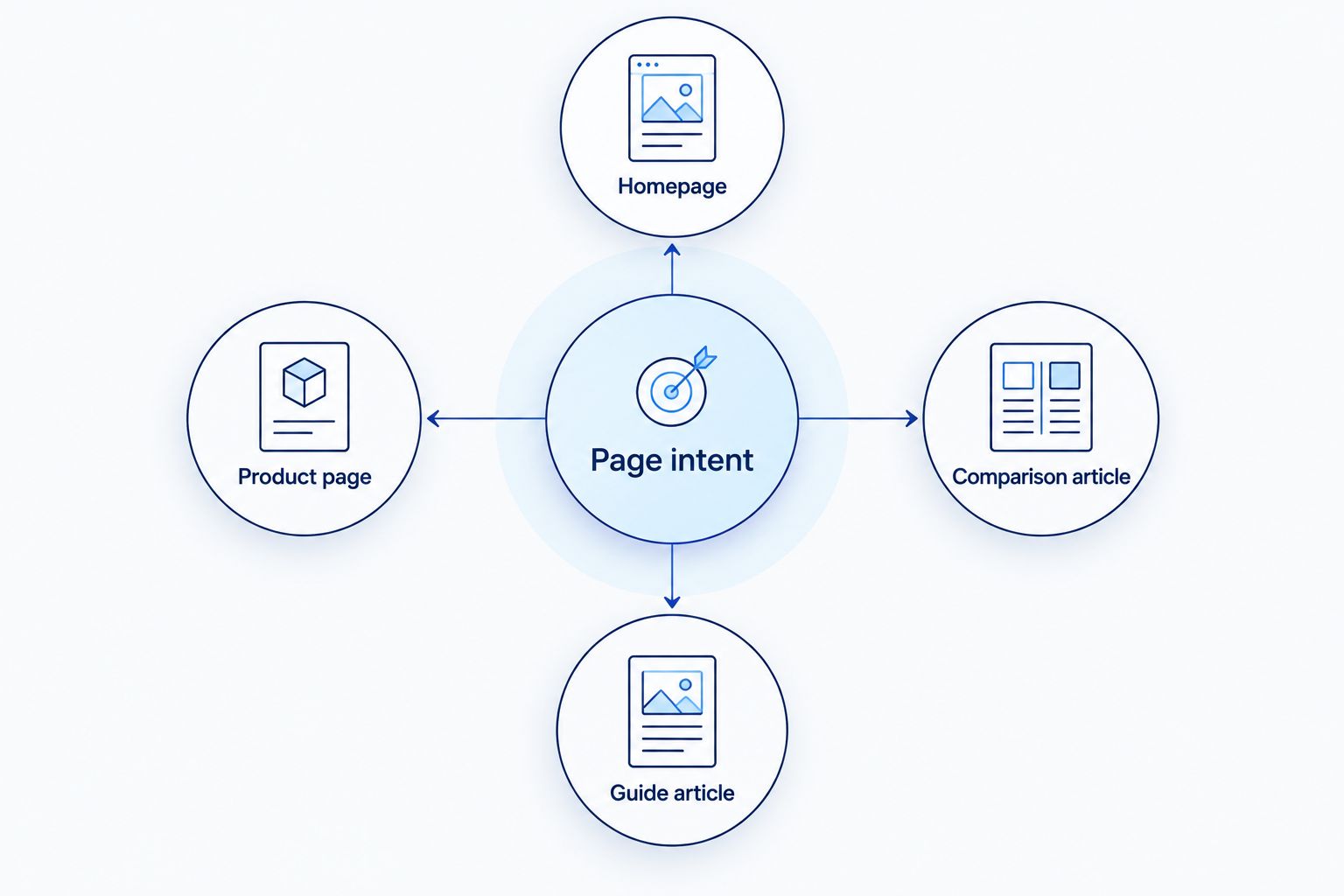
| Intent | Illustrative query pattern | Best-fit page | Strength | Limitation |
|---|---|---|---|---|
| Informational | How to plan shelving for a small shop | Practical planning guide | Explains the checks needed before selection | Does not establish product suitability by itself |
| Commercial investigation | Best shelving for a convenience store | Criteria-led comparison | Helps the reader assess competing approaches | Needs verified differences, not a list of claims |
| Transactional | Shopping basket with a metal handle | Relevant product page | Addresses a defined item requirement | Cannot resolve an entire store-layout problem |
| Navigational | Cheap Shelving | Homepage | Helps a reader reach a known supplier | Says little about which fixture the reader needs |
A Perth retailer researching a new display can move between these tasks without following a fixed sequence. Someone who starts with a product query can still need advice about layout, while someone reading a guide can already have a shortlist.
Classify the immediate question, not an assumed customer journey. This keeps the page focused and avoids forcing every reader through the same sequence of articles.
A repeatable 2026 benchmark needs a clear hierarchy. Start with the URL’s function, then use the title’s stated task to classify editorial pages. Do not change the rule because a different label makes the content mix look more balanced.
This approach assigns each page once. A guide can support a purchase, but that commercial purpose does not turn every explanatory page into a transactional destination.
The benefit is consistency: another review can apply the same rules to the same catalogue. The trade-off is simplicity. A primary-intent label cannot capture every question a page answers, so retain notes about secondary tasks without adding the URL to several benchmark rows.
The 60.6% commercial-investigation share means comparison-oriented articles occupy most of this catalogue. It does not establish that comparison queries generate most enquiries, or that another comparison article is automatically the best next investment.
For retail operators, comparison content earns its place when it clarifies a practical trade-off. A shelving comparison should distinguish the intended use and the checks required to choose. A supplier comparison needs current, verifiable evidence about the businesses being compared; an unsupported winner adds no buying value.
The same standard applies to Cheap Shelving shop fittings content. Its role is to connect fixture choice with floor space, stock visibility and store efficiency, while leaving unverified specifications unstated. Affordability is a buying consideration, not a substitute for checking whether an item suits the job.
Avoid producing several articles that answer the same question with slightly different titles. Give each comparison a distinct selection problem, then identify the existing page that should handle broader advice. This makes the content plan easier to maintain and the reader’s next step clearer.
The informational group accounts for 31.8% of the catalogue. It includes complete guides, setup workflows, benchmark pages and a suitability question, rather than only introductory explanations.
That distinction matters for store owners. A reader asking how to arrange fixtures needs an actionable process; a reader asking whether shelving suits a small warehouse needs suitability checks and explicit boundaries. Both are informational, but they require different structures.
Build a practical guide around the decision it supports:
The strength of informational content is preparation. Its limitation is that general advice cannot confirm the suitability of an unspecified product for an unmeasured site.
For each proposed 2026 page, write the buyer’s question before the headline. Then specify what the reader should be able to decide after reading. This prevents a comparison brief from turning into a general introduction or a product brief from becoming an unrelated buying guide.
State whether the reader is learning, comparing, selecting an item or seeking a known business. Use one primary task. Secondary questions belong only when they help complete that task.
List the facts needed to answer accurately: verified dimensions, intended application, compatibility information or other relevant product details. If a fact is unknown, turn it into a buying check rather than filling the gap with an assumption.
Decide where a ready reader should go next. An explanatory page can lead to a more specific guide; a comparison can lead to a relevant product. The destination must match the conclusion, not merely provide somewhere to place a link.
Assess the published page against its stated purpose. Check whether it answers the question, distinguishes options fairly and gives the reader a sensible next action. Keep later performance reporting separate from the catalogue benchmark so the two measures remain interpretable.
This brief works for both Perth-focused retail topics and Australia-wide buying advice. Add a location only when it changes the information the reader needs; a place name alone does not create a different intent.
What is the shop fitting keyword search intent breakdown for 2026?
In the supplied 66-URL catalogue, commercial investigation represents 60.6%, informational content 31.8%, transactional content 6.1% and navigational content 1.5%. These percentages describe page coverage, not the distribution of Australian searches.
Does commercial investigation mean a retailer is ready to order?
Commercial investigation means the page helps a retailer compare choices, not that the reader has decided to order. The buyer can still need measurements, suitability checks or verified product details.
Are these percentages Australian search-volume benchmarks?
No, these percentages are catalogue-level intent benchmarks. Each supplied URL receives one primary classification, so the results measure the mix of pages rather than query demand.
Should a shop fitting website make most pages comparison articles?
No, the 60.6% comparison share is a description of this catalogue, not a recommended publishing target. Choose the next page according to the buyer’s unanswered question and the available evidence.
Is a shelving guide informational or transactional?
A shelving guide is classified as informational when its main task is explaining selection, suitability or setup. A specific product page is classified as transactional, even when it contains explanatory details.
Can one shop fitting keyword have more than one intent?
Yes, a query can leave several buying tasks open, especially when it contains only a broad fixture name. Assess the wording and intended destination before assigning a primary intent.
Who is Cheap Shelving relevant for?
Cheap Shelving supplies commercial shelving, retail displays, trolleys and shop fittings to businesses and retailers in Perth and Western Australia. Buyers should check the relevant item information against their own store requirements.
A larger content category is not automatically a stronger business opportunity. In this 2026 benchmark, the homepage occupies just 1.5% of the catalogue because it is one URL; that percentage says nothing about its contribution to enquiries or purchases.
Before adding another page, write down the buyer question your existing content does not answer. If you cannot distinguish that question from an existing article’s purpose, improve the existing page instead of creating another near-duplicate.
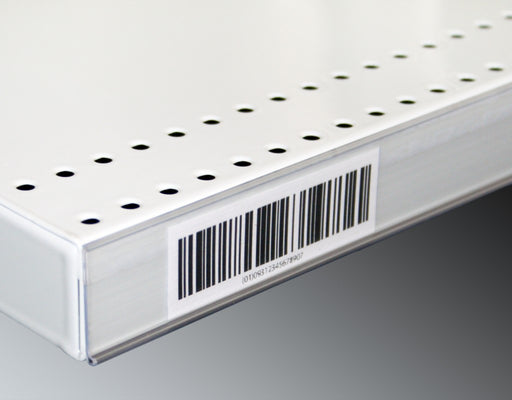
Upgrade your store's pricing and product labeling system with our Flat Adhesive Data Stripping. This cost-effective solution is designed to simplif...
View full details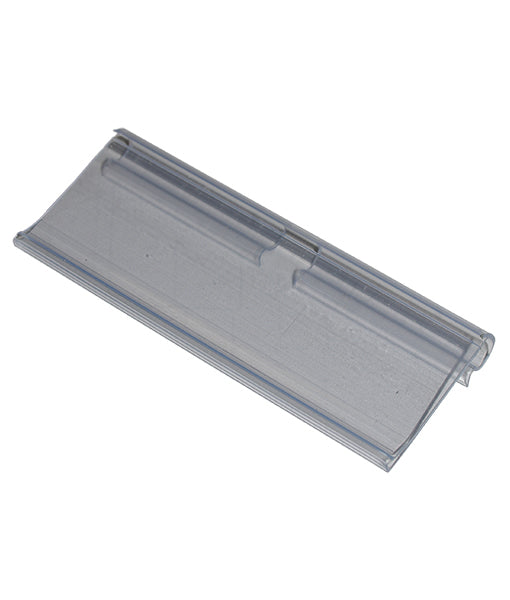
Enhance your store's product labeling and pricing system with our 100-Pack Flipper Tags. These versatile and easy-to-use tags are designed to strea...
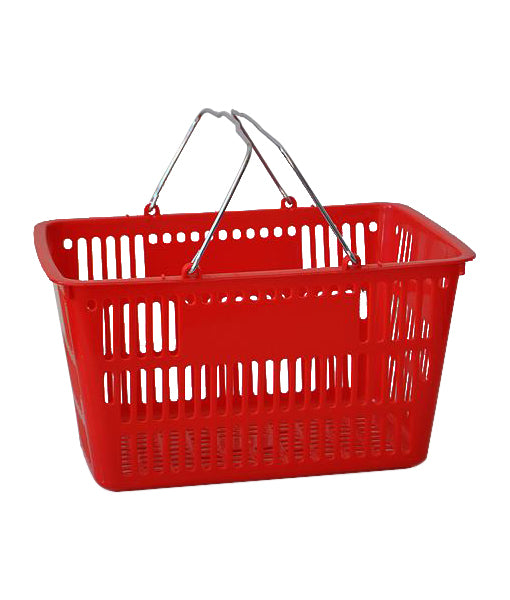
View full detailsUpgrade your customers' shopping experience with our 28 litre Shopping Baskets featuring Metal Handles. These robust and stylish baskets are design...
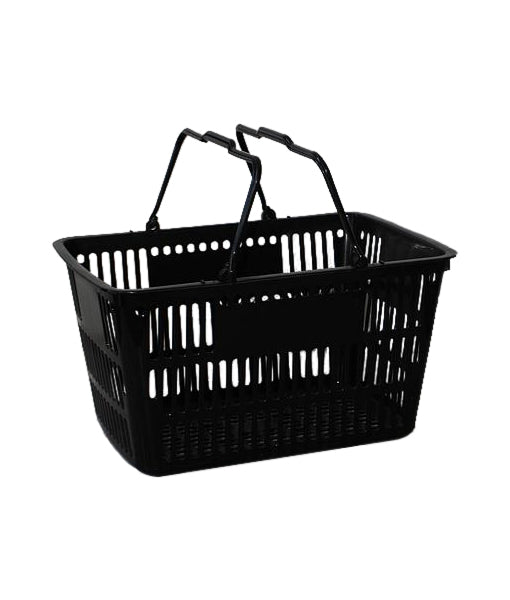
View full detailsMake shopping a breeze for your customers with our 28 Litre Shopping Baskets featuring Plastic Handles. These lightweight and sturdy baskets are de...
View full detailsRevolutionize your customers' shopping experience with our Roller Shopping Baskets. These innovative baskets are designed for maximum convenience, ...
View full details{"one"=>"Select 2 or 3 items to compare", "other"=>"{{ count }} of 3 items selected"}