SERVING WA
Since 2009

Shop fitting costs in Perth in 2026 depend on whether you need retail fixtures alone or a wider fit-out involving building work, electrical work and installation. A shelving order does not cover the same scope as a finished shop, so get an itemised quote against a measured layout before setting your budget. Include freight, assembly, accessories and any required trade work in that brief rather than treating the fixture total as the finished cost.
Your shop fitting budget should reflect the work required to make your particular premises ready for trading. Start by separating equipment purchases from changes to the building. That distinction makes supplier quotes easier to compare and stops a small fixture order being mistaken for a complete fit-out allowance.
Cheapshelving sells commercial shelving, retail displays, trolleys and shop fittings supplies to businesses and retailers in Perth, Western Australia. Those purchases belong in the fixture portion of your budget; list building work separately unless your written quote expressly includes it.
Use this breakdown when requesting quotes in 2026:
| Budget component | What to specify | What to confirm separately |
|---|---|---|
| Retail fixtures | Shelving, displays and checkout-area fittings | Exact dimensions, quantities and included components |
| Merchandising accessories | Hooks, dividers, label holders and signs | Compatibility with the selected fixture |
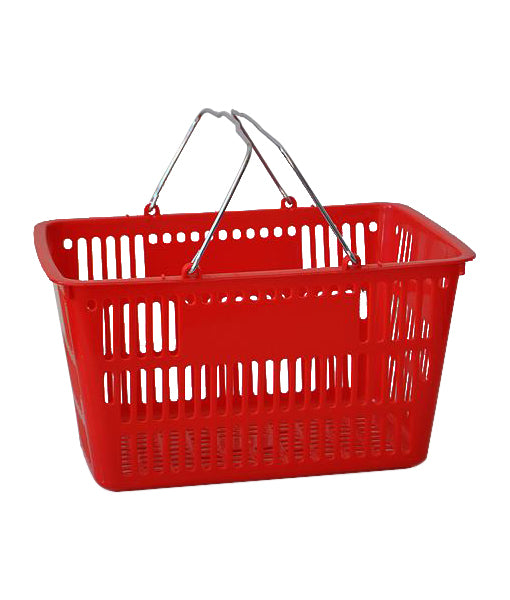
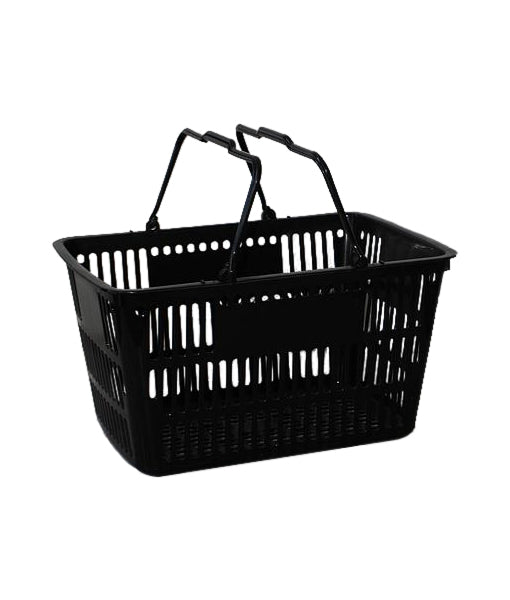
| Handling equipment | Baskets or trolleys required by the layout | Storage position and clear circulation space |
| Assembly and installation | Who assembles, positions and secures equipment | Site preparation and any required fixing work |
| Freight and access | Delivery address and unloading arrangements | Building access restrictions and handling responsibilities |
| Building and services | Partitions, finishes, lighting and power changes | Trade scope, approvals and responsibility for coordination |
Do not compare headline totals until these inclusions match. A cheaper quote with unpriced assembly or missing accessories is not yet a like-for-like alternative.
Your fixtures determine where stock sits, how customers move and how staff replenish displays. A layout that looks economical on paper can still leave awkward corners, obstructed access or merchandise without a suitable display position.
For a Perth store opening in 2026, the practical question is not simply what a shelving bay costs. It is whether the proposed equipment fits the premises and supports the stock you intend to sell. Buy against a layout and a merchandise list, not an empty floor plan alone.
A fixture-only scope suits a store where the premises already support the intended retail use and you primarily need shelving or displays. The advantage is a clearly defined equipment list. The limitation is that purchasing fixtures does not resolve unsuitable lighting, damaged finishes or building-service changes.
Start with what you can retain. Inspect existing equipment, confirm its condition and check whether compatible components are identifiable before planning around it. Do not assume that shelving parts from different systems fit together.
Ask suppliers to identify complete assemblies rather than relying on photographs. An image can show a finished display without explaining every component included in the order.
Best for: retailers replacing or adding fixtures without changing the wider premises. Proceed only after checking the equipment list against the actual space.
A staged refit replaces selected fixtures while leaving suitable equipment in place. Its advantage is that you can concentrate spending on a defined problem, such as an ineffective wall display or an overcrowded stock area. Its limitation is the need to manage the relationship between existing and replacement equipment.
Map each stage before ordering. Identify where displaced merchandise will sit, how staff will replenish the area and which customer routes must stay clear during the work.
In your 2026 brief, distinguish essential opening or operating requirements from later improvements. Deferring a decorative feature is different from omitting a component needed to use a fixture correctly.
Best for: established retailers with serviceable equipment and a specific layout problem. Keep each stage usable on its own rather than depending on an unfinished later stage.
A wider fit-out combines fixtures with changes to the premises. Depending on the project, your brief can include partitions, finishes, lighting, power or other building services. The advantage is the ability to coordinate the layout with those changes; the limitation is a broader scope with more responsibilities to define.
Ask who is responsible for measuring, design decisions, trade coordination and fixture installation. Do not assume a fixture supplier is responsible for building work simply because its equipment appears on the plan.
Best for: retailers whose premises need more than equipment purchases. Finalise the physical requirements before committing to fixtures that depend on them.
These factors change what you need to purchase or arrange. Use them to explain differences between quotes rather than treating every difference as a supplier markup.
A useful quote explains these decisions. If you cannot identify which requirement accounts for a line item, ask for clarification before approving it.
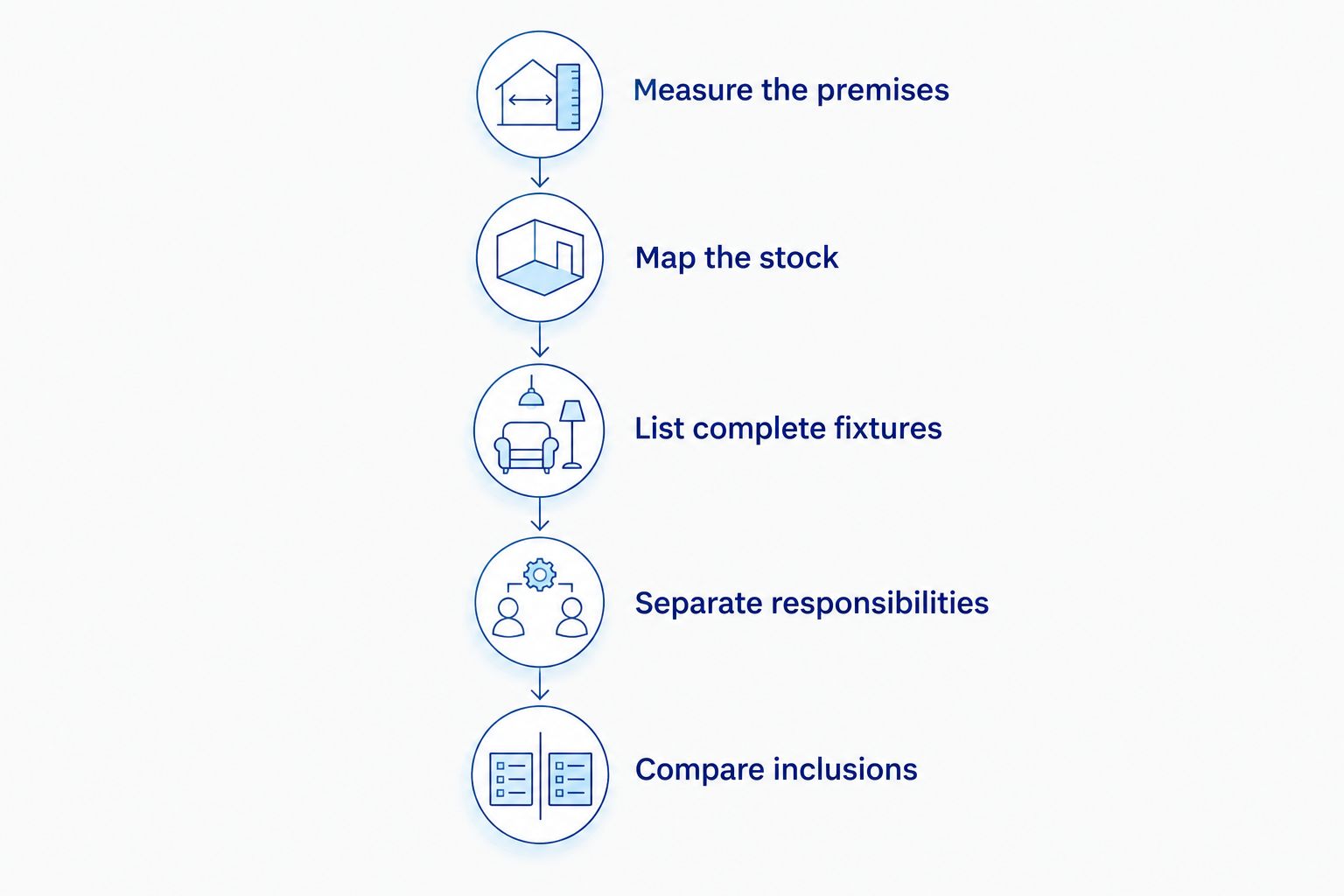
Give each supplier the same brief. Otherwise, you are comparing different assumptions rather than competing proposals for the same job.
Record wall lengths, ceiling constraints, door positions, columns and fixed services. Mark the areas that must remain accessible, including access to exits and service equipment. Use actual site measurements rather than scaling dimensions from a photograph.
List the categories you intend to display and how customers select them. Include representative product dimensions and any handling requirements. Separate selling stock from cartons or reserve stock that belong in a storage area.
Write a schedule showing each proposed fixture, its position and the components required. Identify wall runs, freestanding displays and checkout-area equipment separately. Ask the supplier to confirm how the proposed system is assembled.
State who supplies, unloads, assembles and installs each item. Identify building work outside the fixture supplier's scope. A written responsibility list is more useful than assuming that delivery means installation.
Review quotes against the same fixture schedule and layout revision. Record exclusions beside the relevant item, not in a separate note that disappears during comparison. Confirm the quote's validity before placing an order.
A product name can identify a useful dimension without describing the whole installation. For example, the budget shelving with a 450 mm base shelf identifies a base-shelf dimension. Check the complete assembled dimensions and included components before adding it to your plan.
Apply the same discipline to small accessories. The 50 × 26 mm data strip, pack of 50 provides dimensions and a pack quantity in its listing. Confirm suitability for the shelf edge and ticket format rather than assuming that any label holder fits any shelf.
Cheapshelving's commercial shelving and shop fittings are relevant to this equipment-selection stage. The buying check remains the same: confirm dimensions, component compatibility and quantities against your own layout.
A suitable fixture fits both the merchandise and the space around it. Neither a product photograph nor a single dimension establishes that on its own.
Partition work and retail shelving solve different problems. If your Perth premises need wall changes, describe the proposed work separately from the fixture order so that neither scope conceals the other.
The distinction also applies when researching plasterboard costs for renovations: a wall-work allowance is not a retail shelving allowance. Use a local, site-specific quote for your Perth project rather than transferring a renovation figure from a different market or specification.
Record whether the relevant work includes removal, new surfaces, finishing and associated services. Then establish when the area will be ready for fixture installation. That sequence matters when shelving positions depend on completed walls or electrical work.
For a 2026 fit-out, keep one current plan and identify revisions clearly. A fixture order based on an earlier wall position needs checking before approval, even if the equipment itself has not changed.
Remove unnecessary scope before removing necessary components. Start by questioning displays that duplicate another fixture's purpose, decorative additions without a defined merchandising role and equipment intended for an unconfirmed future range.
Retaining suitable existing fixtures is another option, provided their condition and suitability have been checked. The benefit is avoiding unnecessary replacement; the drawback is that the retained equipment constrains your new layout.
Standardising compatible fixtures can make your component schedule simpler. However, do not force every product category onto the same display if it prevents clear presentation or practical replenishment.
Ask what each proposed purchase does. If an item has no defined position, merchandise assignment or operating purpose, leave it out of the initial order until those questions are answered.
A package is suitable only when its contents match your measured layout. Its advantage is a grouped equipment list; its limitation is that the grouping does not prove every item is necessary or every required component is included.
An item-by-item order offers more control over the schedule, but requires careful checking of quantities and compatibility. Compare both approaches against the same requirements rather than treating the word package as evidence of value.
Floor area alone does not define a shop fitting scope. Two premises with similar floor areas can require different fixtures because their stock, wall positions and existing conditions differ.
Use floor area to describe the premises, then build the budget from the measured layout, equipment schedule and separately defined work. That produces a budget you can check against an actual order.
Finalise the relevant measurements before ordering fixtures. Confirm product dimensions and configuration while developing the plan, but do not treat an unresolved layout as a completed purchase list.
For Australia-wide buyers as well as Perth retailers, provide the delivery location and access details when requesting the quote. Keep freight and installation responsibilities explicit rather than assuming they form one service.
How much does shop fitting cost in Perth in 2026?
The cost depends on the measured fixture schedule and any installation, freight or building work required. Request an itemised quote that separates equipment purchases from changes to the premises.
Does buying shop fittings include installation?
Installation is included only when the written quote expressly includes it. Confirm assembly, positioning, securing equipment and disposal responsibilities separately.
What should I send a shelving supplier for a quote?
Send a measured floor plan, merchandise requirements and a fixture schedule. Include the delivery location, access details and who will handle assembly and installation.
Is it better to replace all my existing shelving?
Replace existing shelving when its condition or suitability requires it, not simply because you are changing the layout. Check retained equipment and confirm component compatibility before ordering additions.
Does Cheapshelving sell complete building fit-outs?
Cheapshelving sells commercial shelving, retail displays, trolleys and shop fittings supplies. Define building work separately rather than assuming it is included in an equipment purchase.
How do I compare shop fitting quotes fairly?
Compare quotes against the same layout, quantities, dimensions and responsibility list. Check exclusions before comparing totals, particularly freight, assembly, installation and accessories.
Before approving your 2026 shop fitting order, assign merchandise to every proposed shelf or display position. An unassigned fixture is a reason to pause, not an automatic reason to buy more stock. This final check connects the equipment schedule to the shop you actually intend to operate.
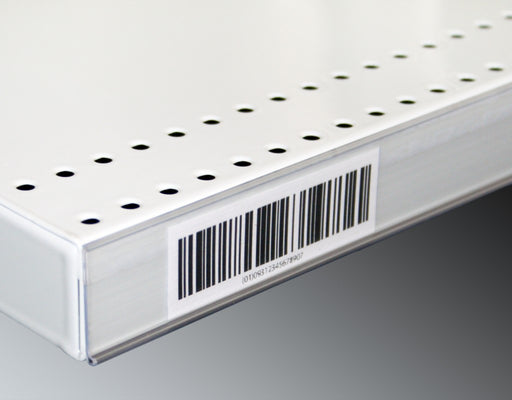
Upgrade your store's pricing and product labeling system with our Flat Adhesive Data Stripping. This cost-effective solution is designed to simplif...
View full details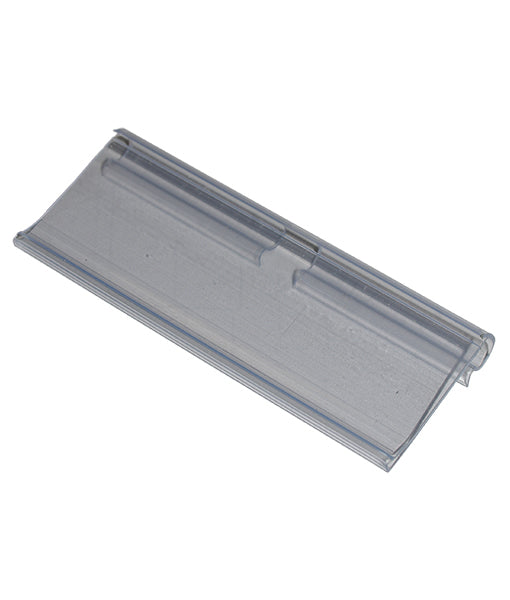
Enhance your store's product labeling and pricing system with our 100-Pack Flipper Tags. These versatile and easy-to-use tags are designed to strea...
View full detailsUpgrade your customers' shopping experience with our 28 litre Shopping Baskets featuring Metal Handles. These robust and stylish baskets are design...
View full detailsMake shopping a breeze for your customers with our 28 Litre Shopping Baskets featuring Plastic Handles. These lightweight and sturdy baskets are de...
View full detailsRevolutionize your customers' shopping experience with our Roller Shopping Baskets. These innovative baskets are designed for maximum convenience, ...
View full details{"one"=>"Select 2 or 3 items to compare", "other"=>"{{ count }} of 3 items selected"}