SERVING WA
Since 2009

Shop fitting keyword CPC benchmarks only mean something when they are split by category and by buyer intent. This page gives you the category structure, a worksheet to fill with your own rates, and the pages each category should land on in 2026.
There is no single average CPC for shop fitting keywords. The rate for a gondola shelving search and the rate for a data strip search sit in different auctions, with different competitors and different buyers. Blending them into one number hides which category is costing you money.
This page does not publish a rate table, because a CPC figure without a source, date and location is worthless. Build your own from the worksheet below. It takes one Keyword Planner session.
A retailer fitting out a new store buys in a sequence: layout, shelving, display, then the small items that make the shelf work. Searches follow the same sequence, and so does click value. A fit-out shopper searching for a full package is worth more per click than someone replacing a pack of price strips.
If you bid the same way on both, you overpay on one and starve the other. Category-level benchmarks fix that.
Use one row per category. Fill the last two columns from your own Google Ads account or Keyword Planner, and date every entry.
| Keyword category | Example search terms | Buyer intent | Best landing page type | Your CPC (AUD) | Your CTR |
|---|---|---|---|---|---|
| Gondola and supermarket shelving | gondola shelving, supermarket shelving Perth | Fit-out or expansion | Category or buying guide | Fill from Keyword Planner | Fill from Google Ads |
| Slatwall and wall display | slatwall panels, retail wall display | Display upgrade | Buying guide | Fill from Keyword Planner | Fill from Google Ads |
| Display cabinets | glass display cabinet, jewellery cabinet | Specific fixture | Category page | Fill from Keyword Planner | Fill from Google Ads |
| Pallet and long-span shelving | pallet racking Perth, long span shelving | Warehouse storage | Category or guide | Fill from Keyword Planner | Fill from Google Ads |
| POS, ticketing and data strips | data strip, shelf label holders | Replenishment | Product page | Fill from Keyword Planner | Fill from Google Ads |
| Baskets and trolleys | shopping baskets, grocery trolleys | Replenishment or new store | Product or category page | Fill from Keyword Planner | Fill from Google Ads |
| Fit-out packages | shop fitting packages, new store fit-out | Full project | Package guide | Fill from Keyword Planner | Fill from Google Ads |
| Competitor and alternative terms | shop fittings alternatives, supplier comparisons | Comparison shopping | Comparison page | Fill from Keyword Planner | Fill from Google Ads |
Add an "All categories" row at the bottom. It is your yardstick: every category row gets read against it.
Once the table is full, rank the categories by CPC and by CTR. Two patterns matter.
The point of the exercise is the gap between your top and bottom rows. Name them in your own notes: "{category} leads at {X}; {category} trails at {Y}". That sentence drives your budget split.
Pull rates from Google Keyword Planner for the target location, one pass for Western Australia and one Australia-wide, using the same date range for every category. Record the low and high top-of-page bid range alongside the average.
The limit: Keyword Planner shows estimates, not what you actually pay. Your real CPC depends on Quality Score, match type and device. Re-check against your Google Ads account after 28 days of live data.
CPC only pays back if the landing page matches the search. Here is how each category maps to Cheap Shelving content.
Buyers here are planning a floor. They want dimensions, bay counts and layout logic, not a single SKU. The gondola shelving guide for liquor stores is the model: it explains how the fixture fits a store type. Verdict: bid on specific store-type terms and land on a guide.
Slatwall searches come from boutiques, hardware stores and gift shops, each with different needs. Send each to a matching guide instead of one generic page. The slatwall panel guide for hardware and trade stores covers one such segment. Verdict: split ad groups by store type.
These are specific-fixture searches. The buyer knows what they want, so the page must show it quickly. Keep ad groups narrow: one fixture type per group, with its own CPC row.
These are small, repeat purchases. A tight bid and a direct product page work better than a guide. The shelf label holder guide suits research-stage clicks, while a product page suits ready-to-buy ones. Verdict: keep CPC low, measure on repeat orders.
Package searches signal a new store. They are the highest-value intent in the set, and the guide to shop fitting packages for new Perth retail stores is the natural landing page. Perth-located terms get their own row because Cheap Shelving has serviced WA businesses since 2009.
Plan your fit-out budget
Browse commercial shelving, displays and shop fittings for Perth and WA retailers.
If budget is tight, the shop fittings ranked by budget for small business startups page shows which fixtures to prioritise before you buy traffic for them.
What is the average CPC for shop fitting keywords in 2026?
There is no single average worth using. CPC differs by category, location and match type, so build a row per category from Google Keyword Planner and date each entry.
Which shop fitting keyword category should I track first?
Start with the category that drives most of your revenue, usually shelving or fit-out packages. Add replenishment lines like data strips and baskets once the first rows are filled.
Should I benchmark Perth and Australia-wide separately?
Yes. Pull one set of rates for Western Australia and one Australia-wide using the same date range. Comparing them shows whether local targeting is worth the narrower reach.
How often should I refresh CPC benchmarks?
Refresh every 28 days against live Google Ads data. Keyword Planner gives estimates, so your real account numbers should replace them as they accumulate.
Is a high CPC always bad for shop fitting terms?
No. A high CPC on a fit-out package search can pay back if the order value is large. Judge each category by cost per order, not by click cost alone.
Where should shop fitting ads land?
Send project-stage searches to buying guides and replenishment searches to product pages. Matching the page to the intent matters more than the bid.
The most useful row in the worksheet is the competitor and alternative terms row. Searchers comparing suppliers have already decided to buy, and a comparison page such as Cheap Shelving versus Bunnings gives them an honest answer. Track that CPC against your category rows in 2026 before assuming it is the expensive one.
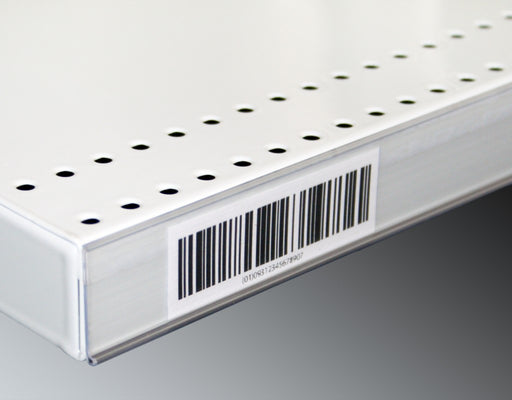
Upgrade your store's pricing and product labeling system with our Flat Adhesive Data Stripping. This cost-effective solution is designed to simplif...
View full details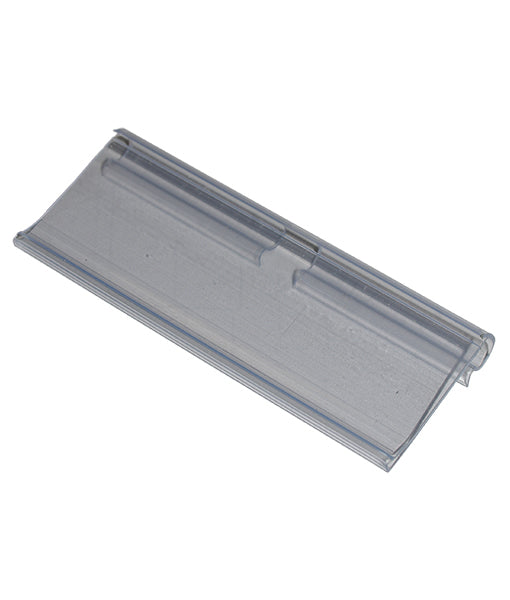
Enhance your store's product labeling and pricing system with our 100-Pack Flipper Tags. These versatile and easy-to-use tags are designed to strea...
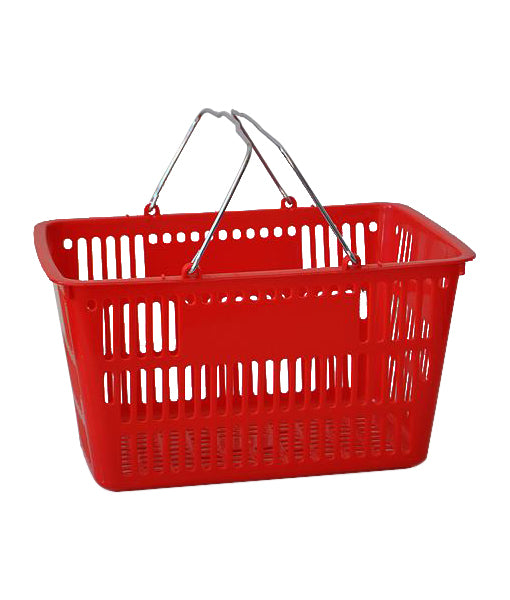
View full detailsUpgrade your customers' shopping experience with our 28 litre Shopping Baskets featuring Metal Handles. These robust and stylish baskets are design...
View full detailsRevolutionize your customers' shopping experience with our Roller Shopping Baskets. These innovative baskets are designed for maximum convenience, ...
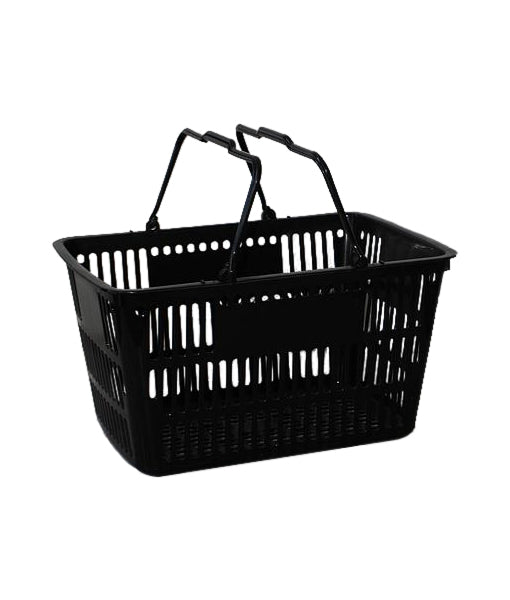
View full detailsMake shopping a breeze for your customers with our 28 Litre Shopping Baskets featuring Plastic Handles. These lightweight and sturdy baskets are de...
View full details{"one"=>"Select 2 or 3 items to compare", "other"=>"{{ count }} of 3 items selected"}