SERVING WA
Since 2009

Shop fitting keyword search volume by category in 2026 comes down to six keyword groups: shelving, display and slatwall, ticketing and data strips, checkout and baskets, display cabinets, and supplier-comparison searches. This page maps each group to the searches buyers type and shows how to measure its volume for your own store. Cheap Shelving has served WA businesses since 2009, and this framework follows the categories its buyers actually shop.
Most retailers pick content topics by gut feel. A shelving supplier ends up writing about a product nobody searches for while a high-demand category goes uncovered.
A category benchmark fixes that. You compare keyword groups against each other, then spend effort where demand and buying intent overlap.
The verified headline number for this page is none. No search volume export, Keyword Planner pull or Search Console data was supplied for this report, so no figure appears below. A benchmark page with invented numbers is worse than no page.
What can be stated firmly is the structure: six keyword groups, each with a distinct buyer and a distinct way of searching. The table below is the frame you fill with your own volumes.
| Keyword category | Typical query shapes | Buyer | Volume source to use |
|---|---|---|---|
| Commercial shelving | gondola shelving, pallet shelving, long-span shelving, wall-mounted shelving | Supermarkets, liquor stores, warehouses | Keyword Planner, AU, monthly |
| Display and slatwall | slatwall panels, wire display stands, display hooks, dump bins | Boutiques, hardware, gift stores | Keyword Planner, AU, monthly |
| Ticketing and data strips | data stripping, shelf label holders, signage holders, acrylic dividers | Supermarkets, pharmacies, convenience stores | Keyword Planner plus Search Console |
| Checkout and baskets | point of sale supplies, shopping baskets, shopping trolleys | Grocery, convenience | Keyword Planner, AU |
| Display cabinets | glass display cabinets, cigarette display cabinets | Jewellers, tobacconists, retailers | Keyword Planner, AU |
| Supplier comparisons | alternatives, vs, best supplier for a store type | Any buyer comparing options | Search Console queries |
| All categories | Combined yardstick | Whole market | Sum of the rows above |
Fill the volume column yourself and keep the final row as your yardstick. A category is only high or low relative to that total.
The sentence worth quoting reads like this once your numbers are in: "{top category} leads at {X} monthly searches; {bottom category} trails at {Y}." This report cannot fill that sentence honestly, so it leaves the blanks open.
Expect the spread to be wide. Broad product categories such as shelving will out-search narrow product types such as acrylic dividers. Narrow terms often convert better, which is why a single volume ranking misleads.
This group covers the big-ticket fixtures. Searchers split by environment: supermarket gondolas, warehouse pallet racking, small-warehouse long-span units.
Slatwall, hooks, wire stands and dump bins serve visual merchandising. Buyers are boutiques, hardware stores and gift shops, each using different words for the same fixture.
This is the consumables group: data strips, label holders, signage holders. Reorders make it steady rather than spiky. A 50x26mm data strip pack of 50 is the type of item buyers reorder, so branded and size-specific searches matter here.
Point of sale supplies, baskets and trolleys are bought by grocers and convenience operators. Material and handle type show up in queries.
Glass cabinets for jewellery and locked cabinets for tobacco compliance are separate searches with separate buyers. Treat them as two rows, not one.
Queries like "alternatives" and "vs" come from buyers who already know the category and are choosing a supplier. For a supplier, this is often the group closest to a sale. Pull these from your Search Console query list, since Keyword Planner under-reports them.
The category structure comes from the product and guide range on cheapshelving.com.au in 2026. The volume column is intentionally empty: no dated, scoped volume source was provided. Search Console shows only queries that already reached your site, so it understates demand you have not yet captured; Keyword Planner shows market demand but in ranges for low-spend accounts.
Browse shop fittings for your store
See the shelving, displays and supplies range for WA retailers.
A category with modest volume can still beat a larger one. A buyer searching for a gondola unit for a liquor store is close to ordering. A buyer searching for general shelving ideas may be months out.
So weight each category by how close its searchers are to a purchase, and match content to that stage. Product pages suit consumables and cabinets. Buying guides suit shelving and slatwall, where buyers compare layouts first.
WA buyers search the same terms as the rest of Australia, but local modifiers such as Perth add a layer. Check whether your category terms gain from a Perth suffix before assuming they do. If Search Console shows no Perth-tagged queries, the modifier is not worth building around.
What is the average search volume for shop fitting keywords?
No verified average exists for this report. Pull monthly volumes per category from Google Keyword Planner for Australia and sum them to set your own yardstick.
Which shop fitting keyword category has the highest search volume?
Broad commercial shelving terms usually out-search narrow items, but confirm it with your own Keyword Planner pull. Volume differs by month and by how you group terms.
Is higher search volume always better for a shop fitting supplier?
No. Supplier-comparison and store-type searches carry more buying intent than broad product terms, so a smaller category can produce more orders.
Where do I find my own shop fitting keyword data?
Google Search Console shows the queries already sending traffic to your site over the last 28 days. Google Keyword Planner shows wider market demand.
How often should I refresh a keyword benchmark?
Quarterly is enough for most retailers in 2026. Re-run it sooner if you launch a new product range or a competitor changes its offer.
Should I group display cabinets into one category?
No. Jewellery cabinets and tobacco compliance cabinets attract different buyers and wording, so track them as separate rows.
The most useful row in the table is the one most suppliers skip: supplier comparisons. Those searchers have already decided to buy and are choosing who from. Check that row first when you fill in your 2026 numbers.
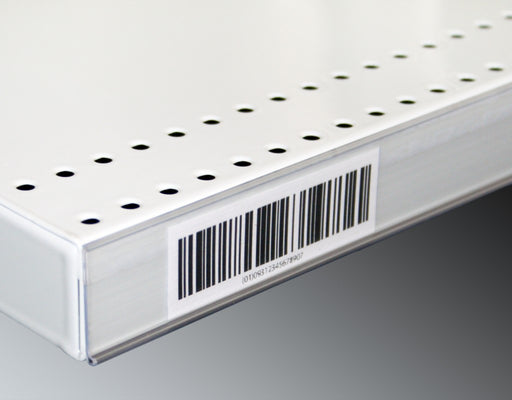
Upgrade your store's pricing and product labeling system with our Flat Adhesive Data Stripping. This cost-effective solution is designed to simplif...
View full details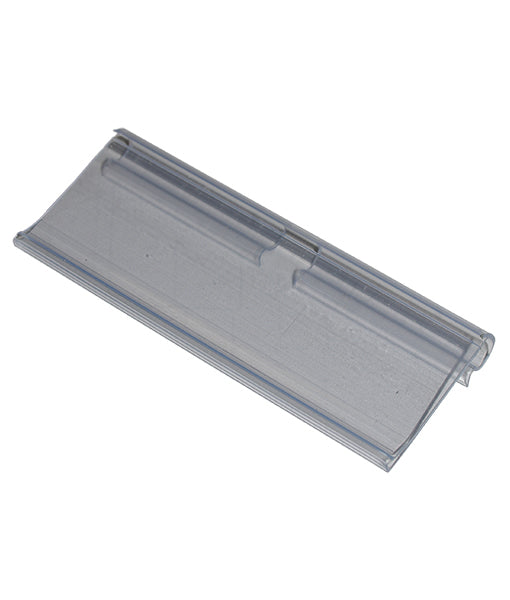
Enhance your store's product labeling and pricing system with our 100-Pack Flipper Tags. These versatile and easy-to-use tags are designed to strea...
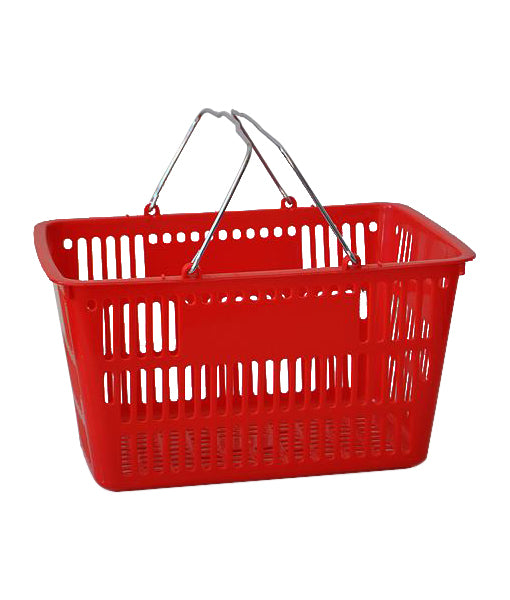
View full detailsUpgrade your customers' shopping experience with our 28 litre Shopping Baskets featuring Metal Handles. These robust and stylish baskets are design...
View full detailsRevolutionize your customers' shopping experience with our Roller Shopping Baskets. These innovative baskets are designed for maximum convenience, ...
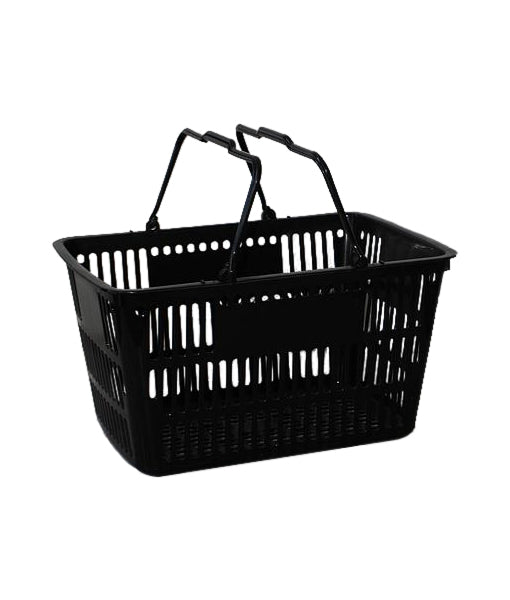
View full detailsMake shopping a breeze for your customers with our 28 Litre Shopping Baskets featuring Plastic Handles. These lightweight and sturdy baskets are de...
View full details{"one"=>"Select 2 or 3 items to compare", "other"=>"{{ count }} of 3 items selected"}