SERVING WA
Since 2009

Instead of manually finding space for every delivery, use heavy duty shelving for warehouse storage with verified load limits, labelled locations and a receipt-to-location check so staff know where stock belongs. This 2026 workflow connects shelving selection, receiving and inventory records without requiring a particular warehouse software system.
Put-away is not complete when a carton leaves the receiving area. It is complete when the carton sits in a suitable location and your stock record identifies that location correctly.
Cheap Shelving is best for Perth retail operators sourcing commercial shelving alongside shop fittings. Use the Cheap Shelving catalogue to identify candidate fixtures, then confirm the specification for your actual stock and handling method. A retail shelving description does not establish suitability for pallet storage or forklift loading.
For your 2026 warehouse review, separate physical capacity from record accuracy. More shelf space does not resolve unidentified cartons, duplicate location codes or receipts recorded before staff check the goods.
Make the 2026 setup sheet a shared working document, not a private notebook. Nominate who can change location assignments and who resolves damaged, unidentified or excess goods before teaching the receiving process.
Start with what you store, not the largest shelving unit that fits against the wall. Record the loaded carton, including protruding packaging, rather than relying on the dimensions of the item inside it.
Expected result: Every stock group has a documented storage requirement and a candidate shelving configuration. Any group without verified suitability stays unassigned.
Cheap Shelving's catalogue includes the following heavy duty shelving configurations. The dimensions below describe the named base shelves, not confirmed overall bay dimensions, usable clearances or load ratings.
| Catalogue configuration | Best for | Benefit to check | Limitation |
|---|---|---|---|
| Heavy Duty Shelving Flat Punched Panel with 900x300mm Base Shelf-White | Screening a narrower, shallower base-shelf option against measured cartons | A 900 mm by 300 mm base shelf gives you a defined starting measurement | Carton fit, complete footprint and load capacity still need confirmation |
| Heavy Duty Shelving Flat Punched Panel with 1000x470mm Base Shelf-White | Screening a wider, deeper base-shelf option against measured cartons | A 1000 mm by 470 mm base shelf provides a different dimensional option | Additional depth does not prove a higher load rating or easier access |
Neither configuration wins on dimensions alone. Choose the assembly that meets the load, access and carton-fit checks; reject any option that fails them.
Give each usable storage position a unique address. Keep the naming logic consistent across the warehouse, retail stockroom and any separate overflow area.
Expected result: A staff member can match a physical position to its record without asking where a product normally goes.
Flat adhesive data stripping is a label-display option to assess for suitable shelf edges. Confirm the label size, fixing surface and intended application before choosing it; a holder does not correct an unclear location code.
Keep permanent location addresses visible during product changes. Replacing the SKU label should not accidentally remove the only sign identifying the shelf position.
Build the receiving route around a verified destination. Do not send staff into the aisles with unassigned cartons and instructions to find somewhere suitable.
Expected result: Checked goods reach an approved, labelled destination. Exceptions remain identifiable outside the normal put-away queue rather than disappearing into spare shelf space.
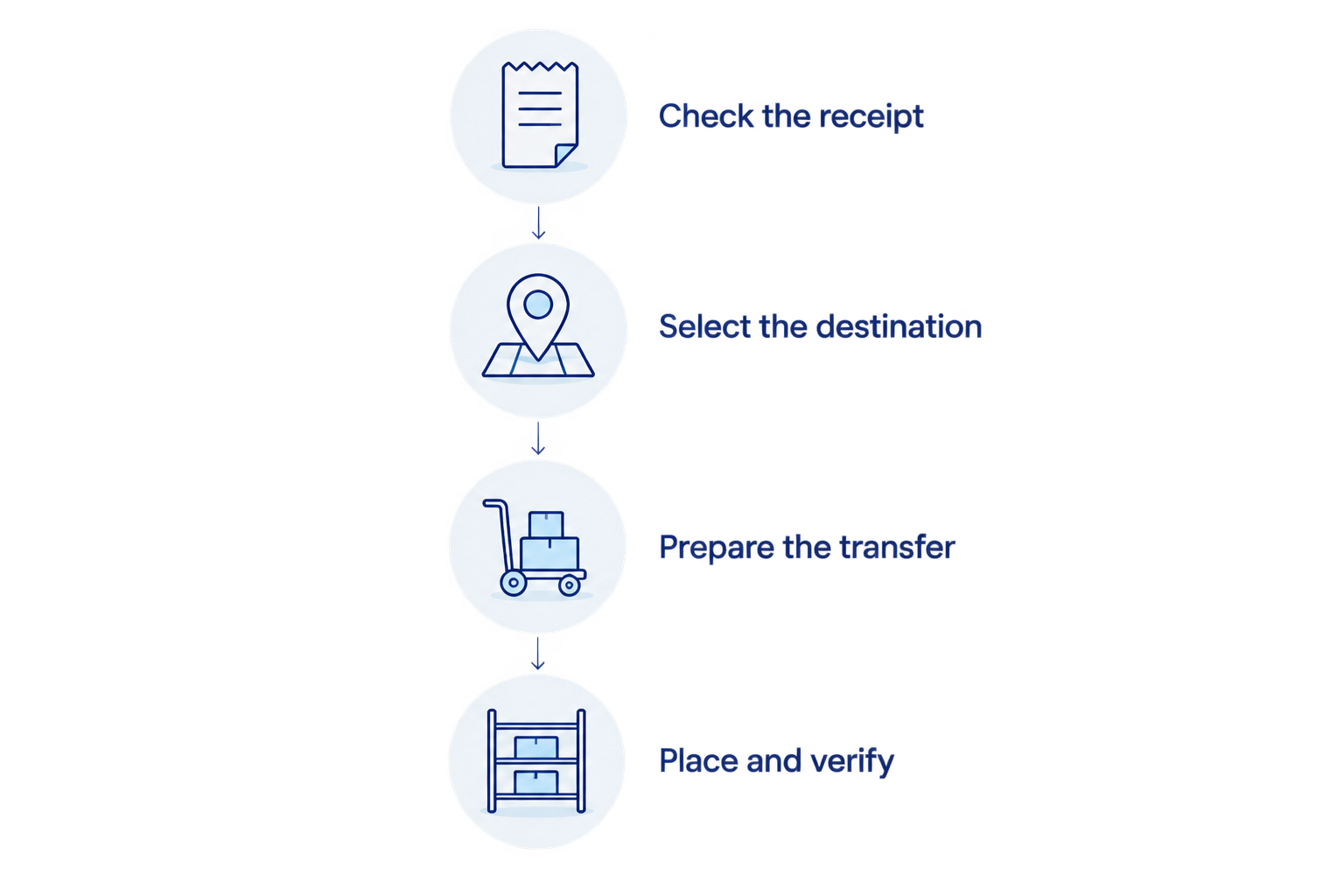
Do not use the diagram as a substitute for the load documentation. The route controls movement and identification; the shelving specification controls what the location can safely hold.
Record the actual movement, not the planned movement. A destination written on a receiving sheet is an instruction until someone confirms that the goods arrived there.
Expected result: The inventory record describes the physical stock position, and another person can retrieve the goods without relying on the receiver's memory.
For your 2026 baseline, record elapsed receiving-to-confirmation time alongside put-away errors and unresolved exceptions. Keep the start and finish definitions consistent so later comparisons measure the same process.
Replenishment is the adjacent workflow: move existing reserve stock into a picking location rather than receiving new stock from a supplier. It needs movement records at both ends.
| Workflow | Best for | Advantage | Trade-off |
|---|---|---|---|
| Direct put-away | Receipts with sufficient approved space at the intended location | Avoids an additional reserve-to-pick transfer | Depends on suitable space being ready when goods arrive |
| Reserve-to-pick replenishment | Stock deliberately split between reserve and picking locations | Keeps the picking position separate from reserve storage | Adds a transfer that needs source and destination confirmation |
Use the same stock identity checks, then add a source-location check:
Expected result: The picking location receives the intended stock, while the reserve record reflects what remains. Neither location relies on an unrecorded carton movement.
Check the physical contents against the location record before changing the assignment. Resolve unexpected stock, then use an approved overflow location if required. Never treat an adjacent empty shelf as authorised overflow without checking its suitability.
Stop the placement. Obtain the applicable load documentation and compare it with the proposed loading arrangement. The words heavy duty are not a load rating, and a capacity for one component does not establish the capacity of the complete bay.
Trace the receipt or transfer from its last confirmed location. Check receiving, exception areas and recorded overflow positions before adjusting the balance. Correct the movement record and identify why confirmation occurred before placement was verified.
Make the product identifier readable before transfer and check it again at placement. Separate confusing stock where practical, and avoid using packaging colour as the only identification method. Retain batch distinctions when your stock-control process requires them.
Pause further movement into that space and restore safe access. Review whether the delivery exceeded the assigned storage capacity or whether unresolved goods occupied usable space. Overflow needs a recorded location and handling rules, not an informal floor pile.
For a Perth retailer with a compact stockroom, keep the receiving sheet short enough to use during a delivery. Preserve the essential checks: identity, quantity, suitability, destination and confirmation. Extra fields only help when someone uses them to make a decision.
For a larger operation, carry the same fields into your warehouse system and barcode process. Confirm the system's actual functions with its provider; do not assume it blocks unsuitable locations or verifies shelf capacity automatically.
Make your 2026 review practical: compare unresolved receipts, location corrections and retrieval problems before adding more fixtures. If the problem is poor identification, fix labels and records first. If verified storage space is insufficient, reassess the layout and shelving specification.
Cheap Shelving supplies commercial shelving and retail equipment, but catalogue selection is only part of the decision. Confirm the proposed assembly against your load schedule and installation requirements before committing to a warehouse layout.
What's the best heavy duty shelving for warehouse storage?
The best heavy duty shelving for warehouse storage matches your documented loads, carton dimensions, handling method and installation conditions. A product name or base-shelf dimension does not establish suitability for your goods.
How do I make warehouse put-away faster?
Assign a verified destination before stock leaves receiving, then confirm the actual placement. This removes the need to search for an unplanned location and keeps the movement traceable.
Can retail heavy duty shelving hold pallets?
Do not treat retail heavy duty shelving as pallet racking without explicit confirmation for that application. Confirm the complete system, handling method and installation requirements with the supplier.
What should a warehouse location label include?
A warehouse location label should show a unique address that matches your location register. Keep the permanent address separate from product information that changes when stock moves.
Do I need warehouse software for this put-away workflow?
You can document this put-away workflow with a controlled spreadsheet or paper record. Your process still needs accurate quantities, unique locations and confirmation of completed movements.
When should I update the stock location?
Confirm the actual stock location after verifying physical placement. Keep planned destinations distinct from completed movements and follow your system's receipt and stock-status rules.
Does a deeper shelf hold more weight?
Shelf depth does not establish load capacity. Use the documented rating for the exact components, assembly and loading arrangement rather than inferring strength from dimensions.
A successful put-away test ends with retrieval, not placement. Before rolling out your 2026 location map, hand a completed stock record to someone who did not receive the delivery and ask them to find the goods.
If that person needs directions, correct the location code, label or record before expanding the workflow. That test checks the handover your next shift will actually depend on.
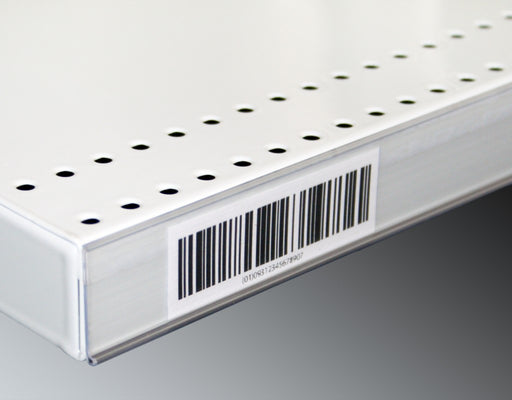
Upgrade your store's pricing and product labeling system with our Flat Adhesive Data Stripping. This cost-effective solution is designed to simplif...
View full details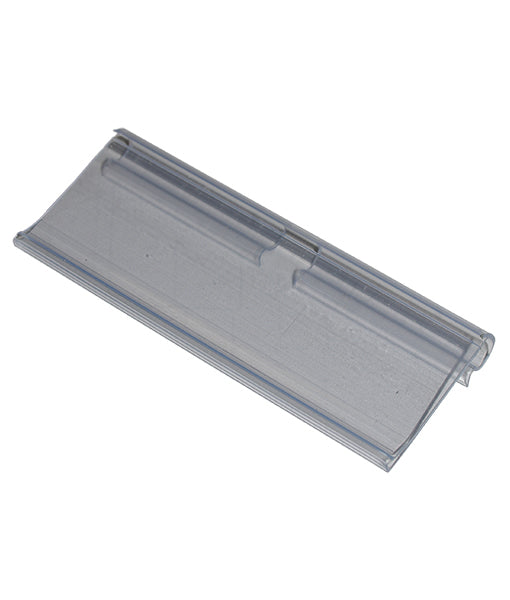
Enhance your store's product labeling and pricing system with our 100-Pack Flipper Tags. These versatile and easy-to-use tags are designed to strea...
View full detailsUpgrade your customers' shopping experience with our 28 litre Shopping Baskets featuring Metal Handles. These robust and stylish baskets are design...
View full detailsMake shopping a breeze for your customers with our 28 Litre Shopping Baskets featuring Plastic Handles. These lightweight and sturdy baskets are de...
View full detailsRevolutionize your customers' shopping experience with our Roller Shopping Baskets. These innovative baskets are designed for maximum convenience, ...
View full details{"one"=>"Select 2 or 3 items to compare", "other"=>"{{ count }} of 3 items selected"}