SERVING WA
Since 2009

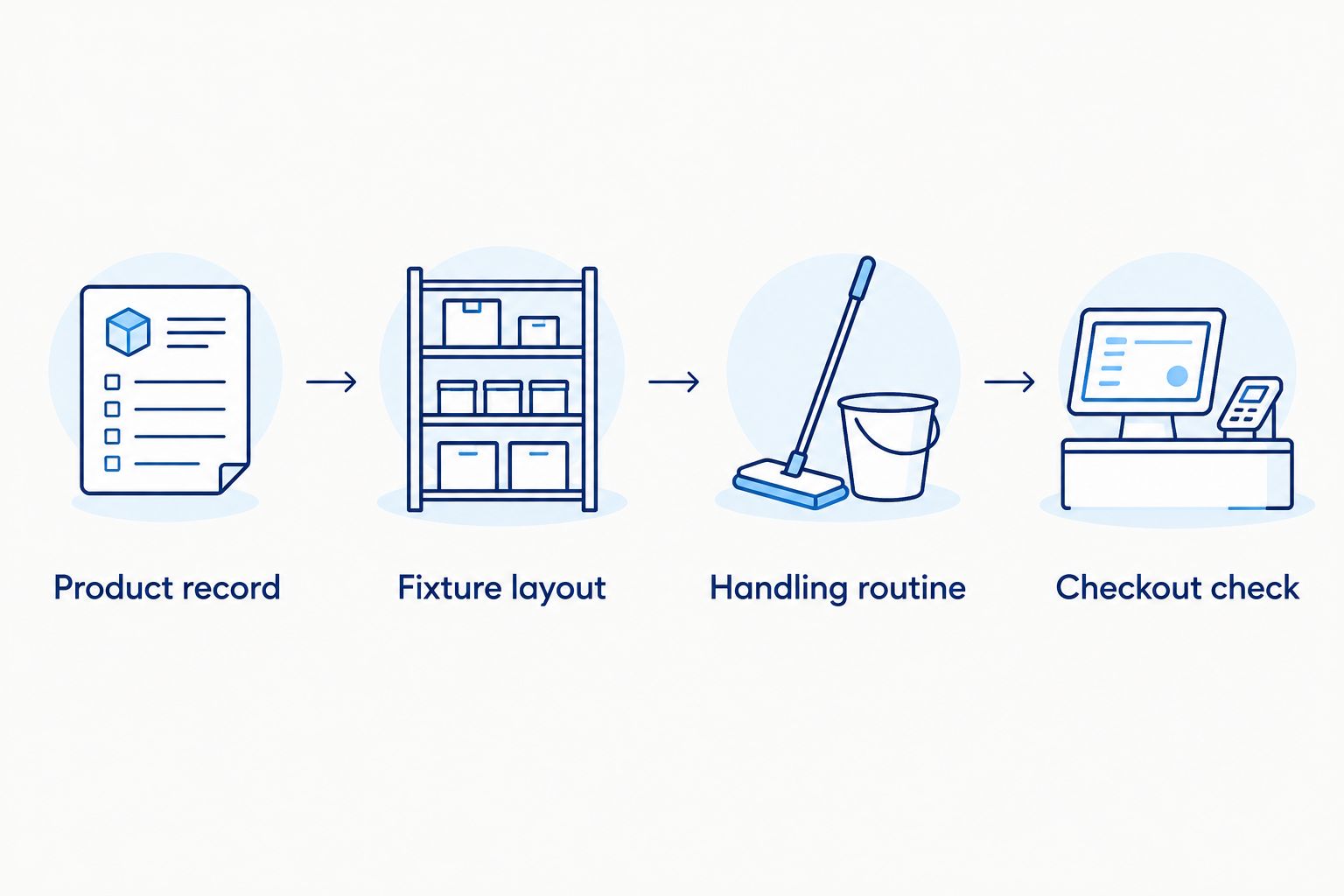
Instead of manually tidying mixed stock in wire display bins, set up food dispensers with assigned containers, clear labels and a repeatable refill routine so customers can select products without mixing them. This 2026 workflow takes you from packaged-food displays to a controlled loose-food merchandising area.
A wire display bin holds merchandise; a loose-food station also needs to protect food during selection, refilling and cleaning. Changing the fixture without changing the handling routine leaves the job unfinished.
Cheap Shelving is a practical fit for retailers sourcing food dispensers and shop fittings for bulk food displays. Cheap Shelving supplies commercial shelving and retail display equipment to businesses and retailers in Perth, Western Australia.
For your 2026 fit-out, separate the decisions: how customers access the food, how the fixture supports it, and how staff maintain it. A container's capacity alone does not answer all three.
You do not need a software integration for this workflow. A paper worksheet or your existing store records can hold the setup information; the field names below are suggested worksheet headings, not software controls.
Start with the food format, not the appearance of the fixture. Wrapped packets can remain in wire bins; loose food needs a suitable food-contact container and a handling method that protects it from contamination.
The guide to wire display stands for bulk food retailers provides a separate starting point for the fixture decision. Confirm compatibility before putting a container onto any stand or shelf.
For Cheap Shelving food dispensers and bulk food containers, compare the documented access method and internal arrangement. The supplied descriptions identify containers and tubs; they do not establish gravity-feed operation.
| Container option | Best for | Documented benefit | Limitation or buying check |
|---|---|---|---|
| Bulk Food Container with Square Lid 13L | Retailers seeking a freestanding, sloping-front container | Polycarbonate body with 13-litre capacity | Confirm external dimensions, lid clearance and support requirements |
| Bulk Food Container with divider 13L | Retailers needing a divided container arrangement | 13-litre capacity with the ability to divide into 2 sections | A divider does not establish allergen separation; confirm suitability for the intended foods |
| Bulk Food Tub Flat Lid | Retailers seeking a flip-lid tub with a scoop | Plastic scoop attached; described for grains, cereals, nuts and bulk chocolates | Confirm dimensions, capacity and the cleaning method for the attached scoop |
Choose the access method your staff can maintain, not simply the container with the most space. A larger display also needs a workable refill and cleaning routine.
Expected result: Every proposed display position has a named food, a known handling requirement and an identifiable location.
Record exceptions before ordering. If a product needs conditions your proposed station cannot provide, remove it from the plan rather than improvising after installation.
For a Perth grocer, this record also gives staff a common reference when purchasing, merchandising and checkout responsibilities sit with different people. Keep it accessible wherever staff prepare refills.
Expected result: Each container sits securely on a verified support, opens without obstruction and can be removed for cleaning.
A station that fits on paper still needs a physical access check. Include the movements of staff and customers, not just the footprint of the equipment.
Once you have checked fit and access, compare the relevant container details below. These options have different arrangements; none removes the need to verify your shelf support and food-handling process.


Expected result: Staff can identify the food in each position and repeat the same cleaning and replenishment process across shifts.
The Australia New Zealand Food Standards Code, Standard 3.2.2, addresses food handling, contamination protection and cleaning obligations for Australian food businesses. Use the current requirements applicable to your operation; this equipment workflow does not replace them.
Expected result: Customers can identify their selection, and staff can process it without guessing which product came from which container.
Keep your 2026 label master separate from handwritten refill notes. Product information changes need a controlled update, not an informal adjustment that only one shift knows about.
A range change needs more than a replacement label. Best for seasonal or rotating ranges: use a controlled product-change reset rather than treating a new food as an ordinary refill.
For a 2026 seasonal change, retain the outgoing record rather than overwriting its batch information. The reset is complete when the physical display and the records describe the same food.
Check the lid's full movement, not just the closed container height. Reposition the container or revise the shelf arrangement within the fixture manufacturer's instructions; do not force the lid or modify the container without approval.
Stop using the affected position and follow your contamination procedure. Review utensil storage, customer access and container spacing before reopening; adding a divider alone does not resolve the handling problem.
Remove the affected food from sale and investigate storage conditions, cleaning residue and drying. Do not solve clumping by mixing in fresh stock; confirm that the food and container suit the operating conditions.
Pause replenishment and reconcile the supplier packaging with your records. Introduce a check at the point food leaves its original packaging, rather than trying to reconstruct the information after filling.
Compare the physical label, location identifier and checkout entry. Correct the mismatch and repeat a selection trial; neighbouring foods that look similar need an identification method that does not depend on appearance alone.
Expand the station only after the existing positions have workable access, cleaning and checkout routines. Adding containers increases the number of labels, utensils and refill records your team must maintain.
Cheap Shelving's commercial shelving and retail display range gives you a broader fixture context, but verify each component separately. A suitable container does not establish the load rating of its supporting shelf.
Use your 2026 review to record repeated problems: awkward lid access, misplaced utensils, unclear labels or difficult removal for cleaning. Fix the arrangement that causes the problem before adding more signage or asking staff to work around it.
Can I put loose food straight into a wire display bin?
Do not put loose food directly into a wire display bin unless the equipment is specifically suitable for that food-contact use. Use a suitable food-contact container; keep wire bins for appropriate packaged merchandise.
Are these food dispensers gravity-fed?
The supplied descriptions identify bulk food containers and tubs, not verified gravity-feed dispensers. Confirm the dispensing mechanism before selecting equipment for a gravity-feed layout.
What is the best bulk food container for a small shop?
The best bulk food container fits your food, shelf support, customer access and cleaning routine. Compare external dimensions and lid clearance before choosing by capacity alone.
Does a divided food container keep allergens separate?
A divider does not establish allergen separation. Shared utensils, access and cleaning can cause cross-contact, so assess the complete handling process rather than relying on the divider.
How much food does a 13-litre container hold?
A 13-litre container has a stated volume of 13 litres, not a universal food weight. The loaded weight depends on the food, so verify it against the supporting fixture's limit.
How often should I clean bulk food dispensers?
Set cleaning frequency through your food-safety procedures and the equipment manufacturer's instructions. Include routine cleaning, product changes and immediate action when contamination occurs.
Can I add fresh stock on top of the remaining food?
Do not repeatedly top up a container without a controlled stock-rotation and batch-identification procedure. Your refill method must also preserve the required cleaning and food-handling controls.
Test removal as carefully as installation. A container that fits neatly can still be awkward to lift out, empty and clean once neighbouring containers are in place.
Before approving your 2026 station, ask the staff member responsible for cleaning to perform the complete removal and replacement sequence. If the display must be dismantled around every container, revise the layout before filling it.
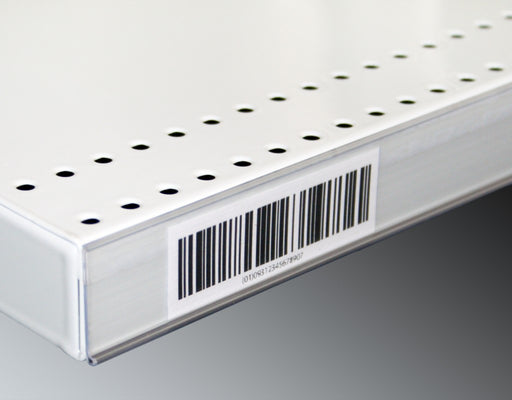
Upgrade your store's pricing and product labeling system with our Flat Adhesive Data Stripping. This cost-effective solution is designed to simplif...
View full details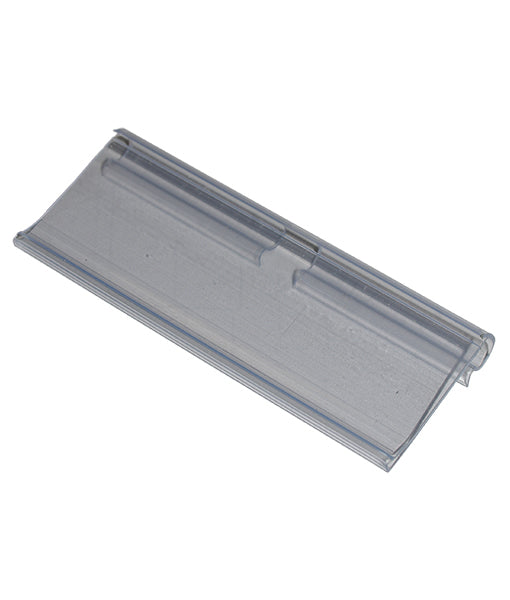
Enhance your store's product labeling and pricing system with our 100-Pack Flipper Tags. These versatile and easy-to-use tags are designed to strea...
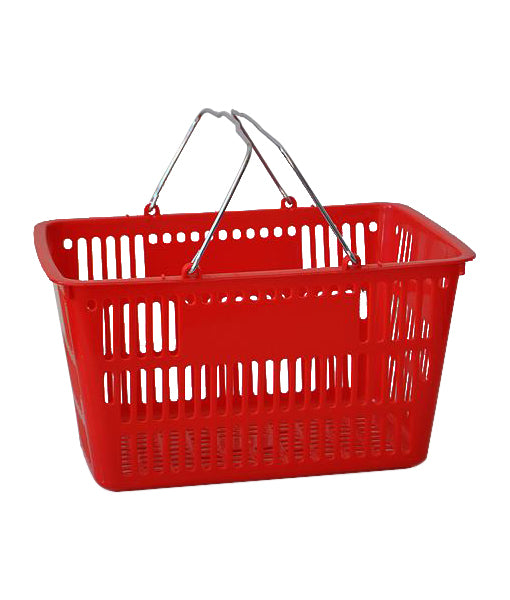
View full detailsUpgrade your customers' shopping experience with our 28 litre Shopping Baskets featuring Metal Handles. These robust and stylish baskets are design...
View full detailsRevolutionize your customers' shopping experience with our Roller Shopping Baskets. These innovative baskets are designed for maximum convenience, ...
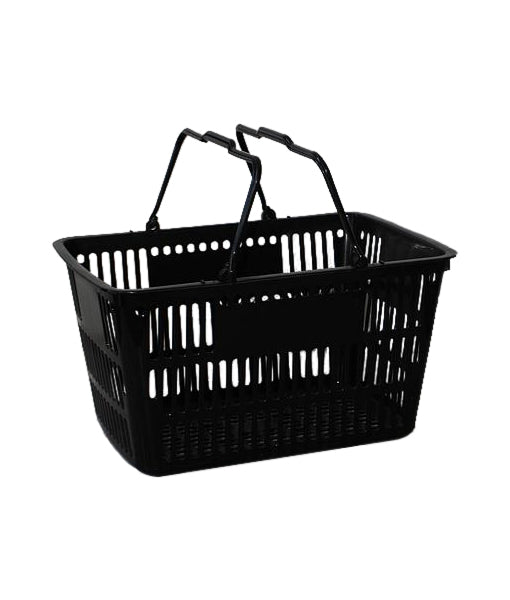
View full detailsMake shopping a breeze for your customers with our 28 Litre Shopping Baskets featuring Plastic Handles. These lightweight and sturdy baskets are de...
View full details{"one"=>"Select 2 or 3 items to compare", "other"=>"{{ count }} of 3 items selected"}